
Vandaag of morgen in huis

Kwaliteit gegarandeerd

Welkomstaanbiedingen ontgrendelen: GRATIS bezorging | Tot 80% korting | Gratis 30 dagen JoyPlus-proefperiode
Download de app
An authentic Asian meal at home is only complete with the right drink. More and more people are discovering that a matching Asian beer can truly enhance the flavours of a dish. But the selection in supermarkets and online is vast, and not every bottle lives up to the promise of an authentic experience. Before you toss a random bottle into your basket, it's wise to be aware of a few common pitfalls.
Many fans of Asian cuisine unknowingly fall into two traps:
This guide will help you look beyond the marketing and make a choice that truly suits your taste and the meal you have in mind.
To avoid a bad purchase, it's helpful to look at a few specific product characteristics. These specifications determine the flavour and how the beer pairs with your food.
Most Asian beers available in the Netherlands fall into the lager or Asian-style pilsner category. These beer types are fermented at low temperatures, resulting in a crisp, clean, and often lighter taste. This is no coincidence: this type of beer is an excellent counterbalance to the often spicy and flavourful dishes of Asian cuisine. The light body and refreshing finish 'quench' the heat and prepare your palate for the next bite. Many of these lagers, particularly Thai beer and Japanese beer, also contain rice in addition to barley malt, which contributes to their light and dry taste.
The country of origin often provides a good indication of the expected flavour profile.
The most important function of beer with Asian food is balance. A light, carbonated beer with low bitterness works refreshingly with spicy curries, greasy dishes like fried appetisers, or complex flavours like those in a Korean BBQ. The bubbles and cold temperature cut through the fat and spices, neutralising your taste buds. A beer that is too heavy or bitter would overpower the delicate flavours of many dishes.
Based on objective product characteristics and flavour profiles, we have highlighted a few choices that suit different preferences and situations.
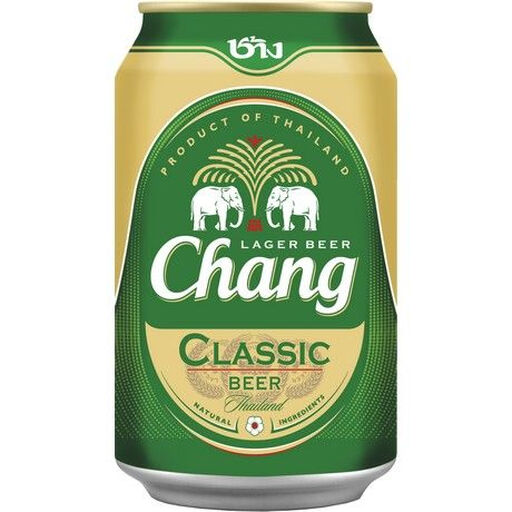
Why This Fits Their Persona: For those who want to replicate the exact taste of a Thai meal at home. Chang is an iconic Thai beer that pairs perfectly with the spicy, sweet, and sour flavours of dishes like Pad Thai or a green curry.
This is an authentic Thai brand, not a generic 'Asian' beer. The taste is consistent with what you would drink in Thailand, helping you avoid the pitfall of an adapted 'export recipe'.
Made with barley malt and rice for a characteristically light body. The crisp, clean taste effectively cuts through spicy and rich dishes.

Why This Fits Their Persona: Cass is one of the most popular beers in South Korea and is practically designed for Korean barbecue. It's light, refreshing, and doesn't overpower the taste of marinated meat and side dishes (banchan).
Instead of choosing a random pilsner, you're opting for a specific Korean beer known for this food pairing. This guarantees a suitable combination and an authentic experience.
Very light body and a clean, crisp taste. The high carbonation helps to cleanse the palate between bites of rich and savoury food.
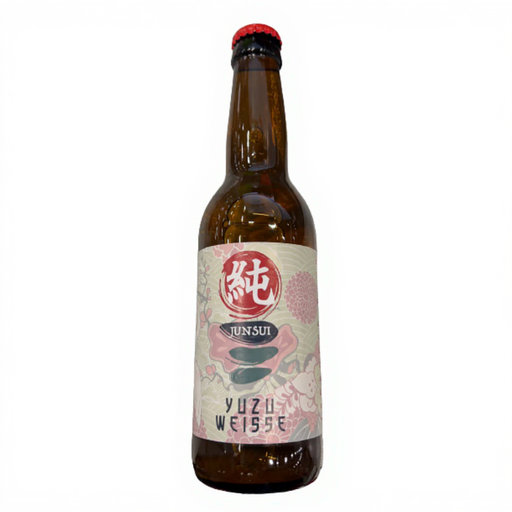
Why This Fits Their Persona: For those looking to venture beyond the standard pilsner. This Japanese wheat beer is infused with yuzu, a Japanese citrus fruit. It offers a completely different taste experience: slightly tart, fruity, and very refreshing.
This beer shatters the "everything is a pilsner" assumption. It shows that the Asian beer market is diverse and also offers unique, craft-style flavours that you won't easily find in a regular supermarket.
Combines the soft, creamy texture of a wheat beer (weisse) with the bright, aromatic citrus flavour of yuzu. Pairs excellently with fish dishes, salads, and light meals.
We have compiled a complete, up-to-date list of products that fully meet these strict selection criteria and Dutch regulations.
Although both are often light lagers, the difference lies in the details. Japanese beer like Kirin Ichiban is often brewed using a 'first press' method, which yields a very pure and refined taste. Thai beer like Chang or Singha typically contains more rice in the brewing process, resulting in a lighter body and a slightly sweeter, drier finish specifically designed for spicy Thai food.
For the optimal taste experience, serve Asian pilsners and lagers ice-cold, straight from the fridge (around 3–5 °C). In many Asian countries, it's common to drink it directly from the bottle or can, which enhances the refreshing experience. If you pour it into a glass, use a tall, slender pilsner glass to preserve the carbonation and aromas.
A light, crisp lager or pilsner is the go-to choice. The low bitterness and carbonation help to neutralise the 'burn' from peppers. Beers like Singha, Chang, Leo, and Tsingtao are excellent options for this. Avoid heavy, dark, or very bitter beers (like an IPA), as the hop bitterness can actually intensify the spiciness of the dish.
