
Vandaag of morgen in huis

Kwaliteit gegarandeerd

Welkomstaanbiedingen ontgrendelen: GRATIS bezorging | Tot 80% korting | Gratis 30 dagen JoyPlus-proefperiode
Download de app
A good sauce or seasoning blend can quickly add more flavour to beef, but not every product suits every dish. A sweet Korean marinade works differently from a salty hotpot base or a dry BBQ seasoning mix. If you rely solely on an attractive packet or words like “authentic flavour”, you could end up with a product that is too salty, too sweet, or unsuitable for the cooking method you have in mind.
This guide will help you compare Asian beef sauces and seasonings based on their use, ingredients, nutritional information and packaging. That way, you can make a more informed choice for bulgogi, hotpot, sukiyaki, pho, barbecue or a stew.
A Korean BBQ sauce or bulgogi sauce is usually intended for marinating meat beforehand, glazing it, or briefly stir-frying it. A sukiyaki sauce, on the other hand, can be used as a base for a one-pot meal or as a dipping sauce. Always check the preparation instructions. A sauce designed for 500 g of meat can turn out far too strong if you use it undiluted as a table sauce.
Many Asian sauces contain sugar, syrup or fruit purée. For example, O'Food Korean BBQ Galbi Marinade lists 30 g of sugar per 100 g. According to the product information, Bibigo Bulgogi Sauce Mild & Sweet contains 24 g of sugar per 100 g. This makes these sauces suitable for a sweet-savoury flavour, but less appropriate if you are looking for a neutral marinade.
The salt content also varies considerably. A hotpot base can be concentrated and therefore needs to be diluted with water or stock. Don’t just look at the amount in the bottle; also check the nutritional values per 100 g or 100 ml.
Soy sauce often contains soya and wheat. In addition, sesame, peanut, fish, shellfish or oyster extract may be present. For instance, Chung Jung One Korean Sauce & Marinade (Beef) contains soya, wheat and oyster extract. Daisho Japanese Sukiyaki Sauce lists soya and wheat as allergens. Read the packaging before you buy and check the current product information, as ingredients can change.
Match the seasoning to the dish:
A 500 g bottle may seem good value, but it is most practical if you regularly make Korean BBQ or stir-fries. For occasional use, a sachet of seasoning or a smaller bottle may be more suitable. Also look at the serving quantity: the Honig mix is designed for three to four people and, according to the product description, requires beef, onion, pepper and a longer stewing time.
Sauces often need to be kept in the fridge after opening. For example, Ajumma Republic Korean BBQ Sauce Spicy states that the sauce should be refrigerated and used within a month of opening. Store dry seasonings in a sealed container in a cool, dry place. Always check the packaging for the current best-before date, usage instructions and storage conditions.
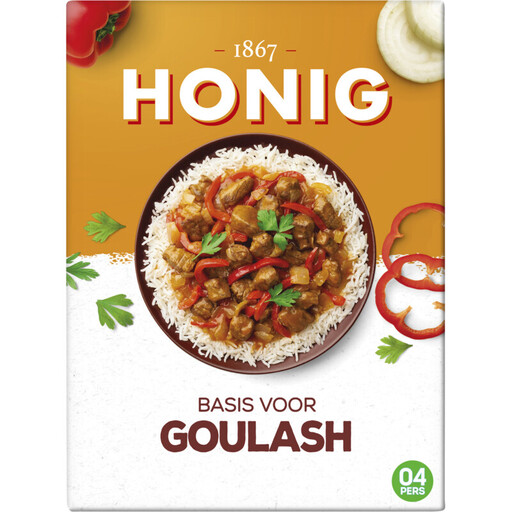
Why this fits the profile: A compact seasoning product for anyone who wants to make a beef stew without lots of individual ingredients.
The product description clearly states the required ingredients, three to four portions and the total preparation time.
Suitable for goulash with beef, onion and pepper; can be combined with rice, potatoes or pasta.
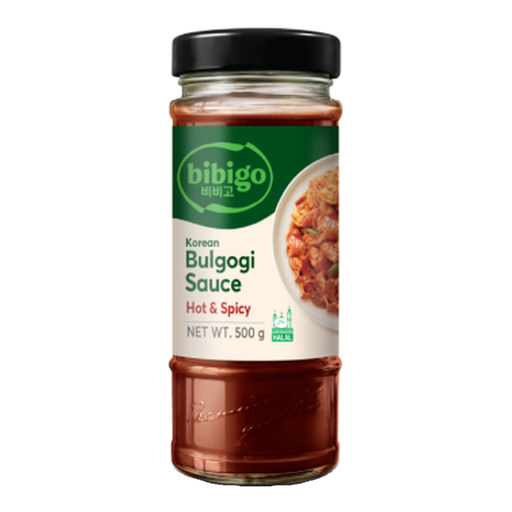
Why this fits the profile: For home cooks who want one sauce for marinating, grilling, stir-frying and vegetables.
The product information lists both the uses and the allergens present, including wheat and soya.
Contains soy sauce, pear, garlic and onion, among other ingredients; the 500 g pack is suitable for repeated use.
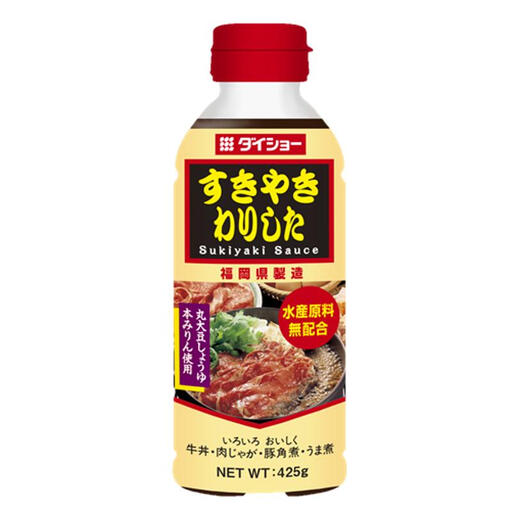
Why this fits the profile: Handy for fans of Japanese hotpot, thinly sliced beef, tofu and vegetables.
“No seafood” is stated in the product name, although the ingredients and allergens should still be checked in advance.
425 g content; according to the product description, suitable for sukiyaki, stir-fries and as a dipping sauce.
We have put together a full, up-to-date list of products that fully meet these strict selection criteria and comply with current European safety regulations.
For Korean BBQ, you can choose a Korean BBQ sauce, galbi marinade or bulgogi sauce. A mild variety with pear, apple and garlic suits beef if you want little heat. For more kick, versions with chilli are more suitable. Always check the sugar and salt levels if you also want to use the sauce as a dip.
That depends on the thickness of the meat and the product instructions. Thin slices for bulgogi often need less time than a thick piece of beef. Marinate the meat in the fridge and use the packaging as a guide. Do not reuse marinade that has been in contact with raw meat without boiling it first.
A seasoning blend is dry and gives you more control over oil, water, salt and acid. A ready-made meat sauce is quicker and often already contains sugar, salt and flavourings. For barbecue and skewers, a BBQ seasoning blend is practical; for sukiyaki, pho or hotpot, a liquid sauce or seasoning paste is usually easier.
