
Vandaag of morgen in huis

Kwaliteit gegarandeerd

Welkomstaanbiedingen ontgrendelen: GRATIS bezorging | Tot 80% korting | Gratis 30 dagen JoyPlus-proefperiode
Download de app
A jar of Asian bean paste or sauce can add much more depth to a simple meal. Yet the options in supermarkets and online can often look very similar. Black bean sauce, doenjang, miso paste, gochujang and Thai soybean sauce all have different flavours, ingredients and uses.
So the right choice depends on more than just the brand or packaging. Pay particular attention to the ingredients, salt content, cuisine you have in mind and how much you plan to use.
“Bean sauce” can refer to a range of different products. Fermented bean pastes, such as Korean soybean paste or Japanese miso, often have a rich, savoury flavour. A ready-made stir-fry sauce, on the other hand, may contain added sugar, vinegar, oil or thickening agents.
So, look out for the difference between:
Fermentation and preservation often go hand in hand with a high salt content, which can vary considerably between products. For example, doenjang lists 3130 mg of sodium per 100 grams, while some other sauces contain between approximately 4 and 11 grams of salt per 100 grams.
Start with a small amount and add extra soy sauce, salt or stock later if needed. This helps prevent your dish from becoming too salty.
Soybeans are found in almost every variety, but wheat, gluten, sesame, peanuts or traces of fish may also be present. Always check the current packaging, especially if you have an allergy or dietary requirements.
Terms such as “traditional”, “authentic” or “no additives” should also be considered in the context of the ingredients list. A brand’s product description may state, for example, that a product is free from certain additives, but the full list of ingredients on the label is what matters.
For a pronounced umami flavour, products made with fermented soybeans, black beans or broad beans are often a good choice. Japanese miso is usually made with soybeans, rice or barley, and salt. Doenjang is a Korean soybean paste with a powerful savoury flavour. Ssamjang is already mixed with ingredients such as chilli, garlic and sesame, and is intended as a dip or seasoning for Korean barbecue.
For Sichuan dishes, doubanjiang is a good option: a fermented paste made with broad beans and chilli. You can also use a ready-made sauce for mapo tofu, but check how much salt, oil and flavour enhancers it contains.
A thick paste works well when briefly fried in oil first. This applies to doubanjiang, Chinese bean sauce and some types of soybean paste, for example. A thinner sauce is more convenient for stir-fries and marinades, or as a table condiment.
Also check whether the sauce contains oil, sugar or starch. These ingredients affect whether it tastes mainly savoury, sweet or spicy, and whether its texture is syrupy or more compact.
An 800-gram or 1-kilogram jar can be a good option for a large household, restaurant kitchen or regular use. If you want to try different Asian cuisines, a pack of 170 to 400 grams is often more practical.
Also check:
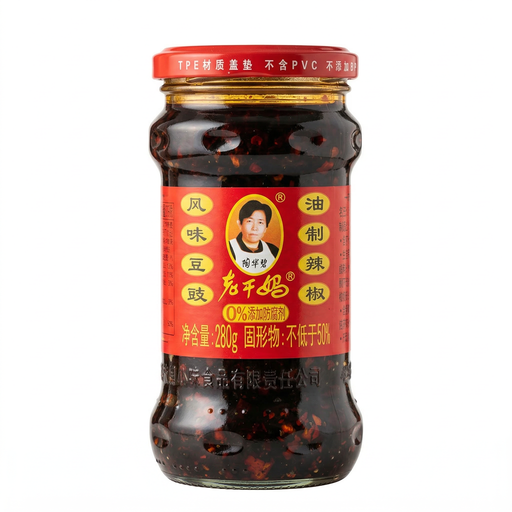
Why it suits this profile: This sauce combines fermented black beans, chilli and oil in one jar. That makes it a handy option for rice, noodles and simple stir-fries, without needing to buy several different seasonings.
The product description clearly lists chilli oil and fermented black beans. Bear in mind, though, that it contains 8 grams of salt per 100 grams, as well as soy and wheat allergens.
280 grams; suitable for rice, noodles and mapo tofu; spicy and savoury, with black beans and chilli.
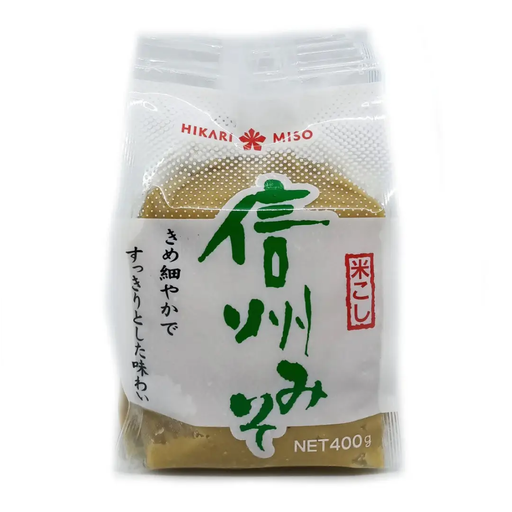
Why it suits this profile: This Shinshu miso is designed for miso soup, dressings, marinades and stir-fries. Its ingredients include soybeans, rice, salt, water and alcohol.
The product information makes its intended uses clear. When adding miso to soup, it’s best to stir it in towards the end and avoid simmering the soup for too long, so its distinctive flavour comes through.
400 grams; suitable for soups, marinades, dressings and stir-fries; described as suitable for vegetarian and vegan dishes.
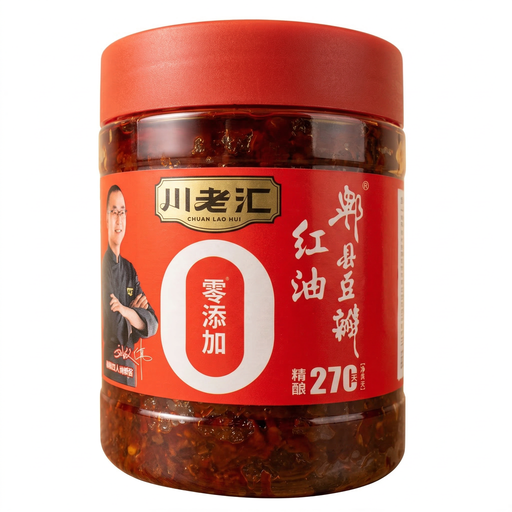
Why it suits this profile: This Pixian doubanjiang is made for Sichuan dishes and can be used as a base for mapo tofu, stews and spicy stir-fry sauces.
This isn’t a general-purpose stir-fry sauce, but a concentrated base paste. At 22 grams of salt per 100 grams, it needs to be used sparingly.
500 grams; made with red oil, broad beans and chilli; suitable as a base for Sichuan recipes; contains wheat.
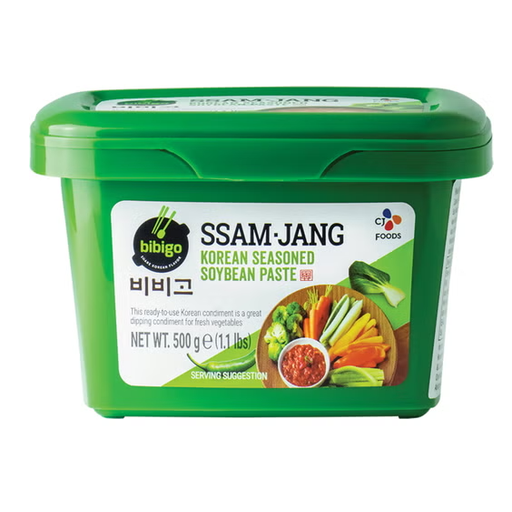
Why it suits this profile: This ssamjang is already seasoned with ingredients such as garlic, onion, chilli and sesame. That makes it handy for lettuce wraps, dips, grilled vegetables and Korean barbecue.
There’s no need to mix in separate chilli, garlic and sesame. Be sure to check the allergens, though: the product information lists wheat, soy, sesame and barley.
500 grams; ready to use as a dip or seasoning; savoury and mildly spicy, with several seasonings already added.
We’ve put together a complete, up-to-date list of products that meet these strict selection criteria and comply with current European safety regulations.
Miso is a Japanese fermented paste, often made with rice or barley. Doenjang is a Korean soybean paste with a distinctive savoury flavour. Gochujang also contains red chilli and is usually spicier and sweeter. Choose miso for soups and dressings, doenjang for Korean stews, and gochujang for marinades, noodles and spicy sauces.
First, fry aromatics such as garlic, ginger or spring onion in oil. Add a small amount of paste and stir briefly. Then add vegetables, tofu, meat alternatives or meat. If needed, thin the sauce with water, stock or rice wine. Taste the dish at the end before adding extra salt or soy sauce.
It varies by product. Store an opened jar according to the label; several varieties recommend refrigeration after opening. Always use clean cutlery, keep the rim of the jar free from food residue, and check the smell, colour and texture before using the sauce. Follow the shelf-life information on the packaging.
