Vandaag of morgen in huis

Kwaliteit gegarandeerd

Welkomstaanbiedingen ontgrendelen: GRATIS bezorging | Tot 80% korting | Gratis 30 dagen JoyPlus-proefperiode
Download de app
The kitchen is a space of tranquility and ritual. As the seasons turn and the light changes, we instinctively seek warmth and depth. The crisp salads of summer give way to dishes that simmer longer on the stove, filling the home with a promise of comfort. This search for layered flavors draws a parallel to an ancient culinary tradition: fermentation. It is a process of patience and transformation, where time is the most essential ingredient. Asian bean paste is the embodiment of this principle.
A jar of bean paste may seem modest, but it is a concentrated source of history and flavor. The foundation is simple: beans—often soy or broad beans—salt, and time. Microorganisms break down proteins and carbohydrates, resulting in a complex, deep flavor known as umami. This is not a uniform taste; each region and every paste has its own character, its own culinary language.
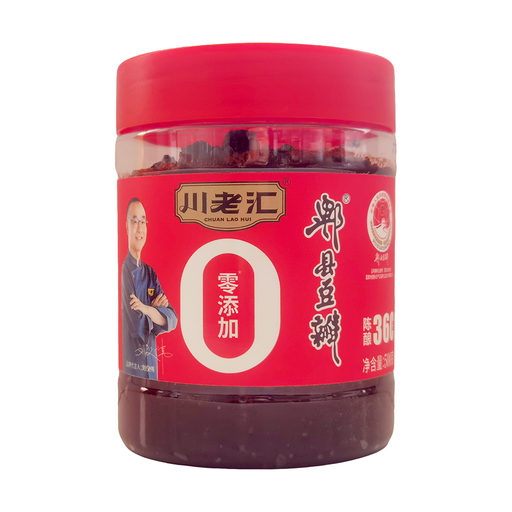
In Chinese Sichuan cuisine, doubanjiang is the heartbeat of many dishes. Pixian broad bean paste in particular, hailing from the Pixian district, is renowned for its deep red color and intense, salty, and spicy flavor. It is an indispensable ingredient for mapo tofu. In contrast, tianmianjiang, a sweet bean sauce, is often used with Peking duck. This paste is dark, smooth, and sweet, a testament to the versatility of fermented beans.
Korean cuisine has its own iconic pastes. Gochujang, a Korean chili paste, combines the depth of fermented soybeans with the sweet heat of chili peppers. It is the base for stews, marinades, and the well-known dipping sauce ssamjang. For a completely different profile, there is the black bean paste that forms the basis of jjajangmyeon sauce, a savory and mild dish beloved by many.
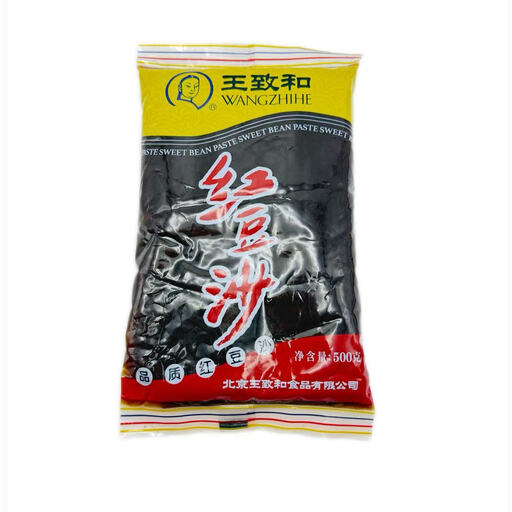
In Japan, miso paste is a cornerstone of the daily meal. This fermented soybean paste ranges from light, sweet shiro miso to dark, robust aka miso. It lends depth to soups and dressings without being overpowering. On the sweet side of the spectrum, we find anko, a red bean paste made from adzuki beans. It is the soft, sweet soul of Japanese wagashi and other desserts.
Integrating these flavors into your own kitchen is an exercise in precision. It's not about simply adding an ingredient, but about selecting the right instrument for the desired depth. For those who want to experience the authentic, tingling heat of Sichuan cuisine, a paste like Juan Cheng Pixian Broad Bean Paste is a natural choice. According to the producer, Juancheng, this paste is brewed using age-old techniques, resulting in the characteristic deep-red, oily sheen that forms the basis of the "soul of Sichuan flavor." A small spoonful, bloomed in oil, is enough to transform a dish.
Korean cuisine calls for a different balance. The KR OF Hot Pepper Bean Paste (Gochujang) offers that signature combination of sweet, salty, and spicy. It is a versatile paste that works equally well in a quick marinade or a slow-cooked stew. For a specific dish like jjajangmyeon, the comforting noodle dish with black bean sauce, a specialized paste like the ASSI Jjajangmyeon Black Bean Paste is essential to achieve the correct, deep, and savory flavor.
For subtlety and a smooth, umami-rich base, a Japanese miso is an indispensable element. A white miso, such as the Hikari Miso Soybean Paste White Shiro Miso, is mild and slightly sweet, ideal for a clear soup or a light dressing over vegetables. At the other end of the spectrum is the sweet application of beans. A smooth red bean paste, or anko, like the Imuraya Smooth Bean Paste, forms the foundation for countless Asian desserts. Its soft, earthy sweetness provides a perfect counterpoint in buns, pastries, or the delicate Yamamotoya Red Bean Paste Daifuku Wagashi.
For those looking to dive deeper into the world of flavor enhancers, the complete Premium Fermented Bean Paste collection offers further inspiration.