Joybuy Insights

Choosing the Right Asian Bean Paste: A Practical Guide

A jar of authentic Asian bean paste is the key to unlocking deep, complex flavours in your kitchen. But the supermarket shelf is packed with jars that look nearly identical. The wrong choice can leave your Mapo Tofu tasting bland, or your Korean BBQ dip far too salty. As a Joybuy Product Recommendation Officer, I'm here to help you make the right choices, saving you time and money.

Before you make a purchase, it's wise to understand a few common pitfalls:

  1. The "All-in-One" Myth: Many generic Asian sauces are marketed as a universal solution. In reality, each paste has a specific purpose. Using a sweet bean sauce for a spicy Sichuan dish will inevitably lead to a disappointing result.
  2. Confusing Cooking Pastes with Dipping Sauces: Some pastes, like a concentrated doubanjiang, must be fried in hot oil to release their aromas. Others, like ssamjang, are ready to use straight from the jar. Mixing them up can make your dish too salty, too strong, or simply tasteless.
  3. Choosing the Wrong Bean: The base of the paste—whether it's soybeans, broad beans, or black beans—determines its core flavour. If you don't check the label, you might buy a paste with an earthy taste when you were looking for a pure umami kick.

What to Look For When Making Your Choice

To avoid these mistakes, focus on a few clear specifications. This will help you find exactly what you need for your recipe.

1. The Base: Soybean, Broad Bean, or Black Bean?

The type of bean used is the single most important factor for flavour.

  • Soybean Paste: This is the most common base. Varieties like Japanese miso paste and Korean doenjang are made from fermented soybeans and deliver a deep, salty umami flavour. Chinese soybean paste (yellow bean sauce) is often salty and savoury, serving as a versatile base for many dishes.
  • Broad Bean Paste (Doubanjiang): This is the soul of Sichuan cuisine. This chili bean paste is made from fermented broad beans, chili peppers, and salt. The result is a complex, salty, and spicy flavour that is indispensable for dishes like Mapo Tofu.
  • Black Bean Sauce: This sauce is made from douchi: fermented and salted black soybeans. It has a very potent, salty, and savoury flavour. A jar of black bean sauce is a concentrated flavour bomb, ideal for stir-fries and steamed fish or meat.

2. The Flavour Profile: Salty, Sweet, Spicy, or a Mix?

Check the label for the dominant flavour to ensure it matches your dish.

  • Salty & Umami: Think of doenjang and most types of miso paste. These are intended as a base for soups and stews and often need to be balanced with other ingredients.
  • Spicy & Salty:Doubanjiang is the most famous example here. The level of heat varies, but the salty, fermented flavour is always present.
  • Sweet & Salty: Chinese sweet bean sauce (Tianmianjiang), made from fermented wheat flour, is essential for Peking duck and Zha Jiang Mian. It's thick, dark, and has a sweet-savoury profile.
  • Balanced & Complex: Korean ssamjang is a prime example. It combines the salty depth of doenjang with the spicy sweetness of gochujang (chili paste), garlic, and sesame oil. It's a complete stir-fry sauce or dipping sauce in one.

Our Top Product Recommendations

Here are a few selections, tailored to specific cooking styles and needs.
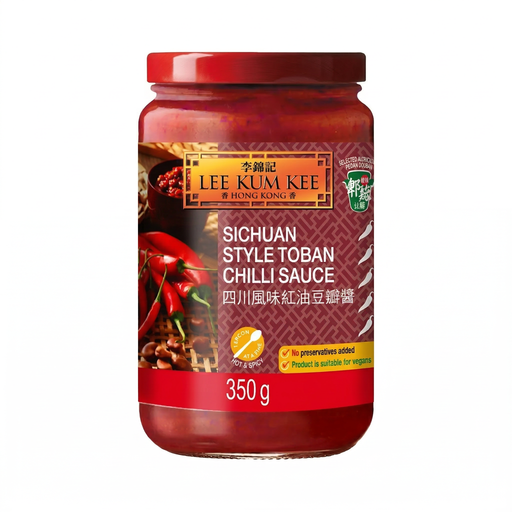
MATCH FOR: THE SICHUAN CUISINE EXPLORER
LEE KUM KEE Szechuan Style Red Bean Sauce 350g

LEE KUM KEE Szechuan Style Red Bean Sauce 350g

Why This Fits Their Persona: Perfect for those wanting to create authentic Sichuan dishes like Mapo Tofu or Kung Pao chicken. This paste provides the signature 'mala' (spicy and numbing) flavour base.

How It Avoids the Trap

This is a genuine chili bean paste (doubanjiang) made from broad beans, not a generic soy sauce with chili. This guarantees the correct flavour and texture for Sichuan recipes.

Key Advantage & Pros

Made with Pixian Doubanjiang (30%), a protected designation that signifies quality. The paste must be fried in oil to release its deep red colour and aromas.
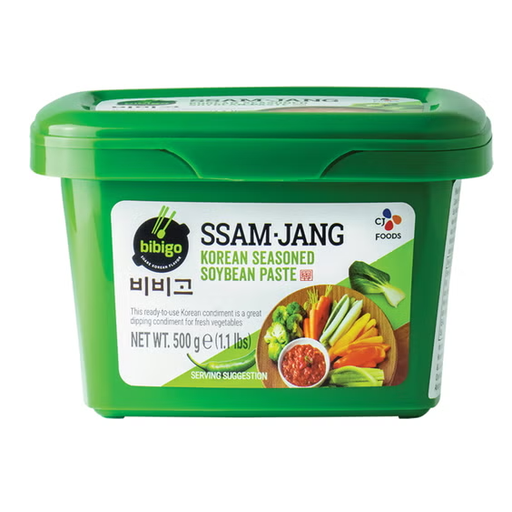
MATCH FOR: THE KOREAN BBQ ENTHUSIAST
Bibigo Korean Seasoned Soybean Paste 500g

Bibigo Korean Seasoned Soybean Paste 500g

Why This Fits Their Persona: Ideal for anyone hosting a Korean BBQ at home. This paste is specifically made as 'ssamjang': the dipping sauce for grilled meat wrapped in lettuce leaves (ssam).

How It Avoids the Trap

This is not pure doenjang, which is too salty to be eaten directly. It's a ready-to-use, balanced mix that avoids the pitfall of a dipping sauce that is too salty or one-dimensional.

Key Advantage & Pros

A convenient all-in-one paste with a rich, savoury flavour thanks to the addition of garlic, onion, and chili. Ready to use straight away, which saves time and effort.
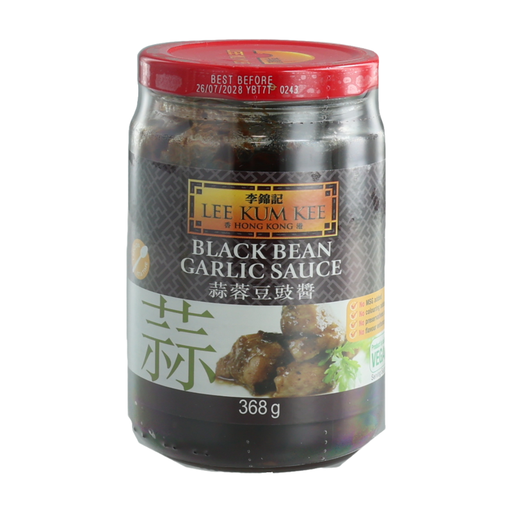
MATCH FOR: THE ALL-ROUND WOK CHEF
Lee Kum Kee Black Bean Garlic Sauce 368g

Lee Kum Kee Black Bean Garlic Sauce 368g

Why This Fits Their Persona: A versatile flavour enhancer for anyone who loves classic Cantonese cuisine. Ideal for quick stir-fries with meat, seafood, or vegetables.

How It Avoids the Trap

This black bean sauce offers a deep, savoury umami flavour without the intense heat of Sichuan pastes. This makes it a safe and widely applicable choice for various Asian cooking sauces.

Key Advantage & Pros

Combines fermented black beans with garlic, which saves you prep time. A concentrated paste that adds an authentic and robust flavour to any wok sauce.

Looking for more options?

We have compiled a complete, up-to-date list of products that fully meet these strict selection criteria and current regulations.

Frequently Asked Questions

How long does opened bean paste last?

Most fermented bean pastes have a long shelf life due to their high salt content. Once opened, it's best to store the paste in the refrigerator. Always check the label, but generally, a jar will last for several months up to a year. Using a clean spoon for each use helps prevent spoilage.

What is the difference between Chinese, Korean, and Japanese bean paste?

Although they are all based on fermentation, there are clear differences:

  • Chinese: Great variety, from salty soybean paste and spicy doubanjiang (broad bean) to sweet bean sauce (wheat).
  • Korean:Doenjang (soybean) is salty and earthy, while ssamjang is a mixed, ready-to-use sauce.
  • Japanese:Miso paste (soybean, often with rice or barley) ranges from sweet and mild (white miso) to salty and robust (red miso).

Can I substitute one bean paste for another in a recipe?

This is generally not recommended. A Japanese miso cannot give a Korean doenjang-jjigae (stew) the right flavour, and using a sweet bean sauce instead of doubanjiang will completely alter a Sichuan dish. To achieve the authentic taste of a dish, using the correct paste is essential. For general stir-fries, you can sometimes use a neutral soybean paste as a base.
