
Vandaag of morgen in huis

Kwaliteit gegarandeerd

Welkomstaanbiedingen ontgrendelen: GRATIS bezorging | Tot 80% korting | Gratis 30 dagen JoyPlus-proefperiode
Download de app
A great barbecue meal is about more than just meat, fish or vegetables. Choosing between a BBQ marinade, a thick glaze, a BBQ dipping sauce or dry grill seasonings determines how much preparation is needed and what flavours end up on your plate. Asian products can vary widely in their balance of sweet, salty, spicy, umami and aromatic flavours.
However, choosing a product based only on words such as “authentic”, “sticky” or “smoky” can easily lead to buying something that isn’t right for the way you plan to use it. As a Joybuy Product Recommendation Officer, I focus on information you can check: ingredients, allergens, nutritional values, packaging and recommended usage.
Not every sauce is intended for marinating raw meat for a long time. A yakitori sauce, teriyaki sauce or Korean BBQ sauce may work as both a marinade and a finishing sauce, but always check the label and cooking instructions.
Even a product described as “ready to eat” may still be intended to be heated with the dish. When handling raw ingredients, you should also prevent cross-contamination: set aside a separate portion of sauce to brush on while grilling.
Many Asian BBQ sauces contain sugar, glucose syrup or honey. These ingredients create a glossy coating and help with caramelisation, but a sweet sauce can darken quickly at high temperatures. Brush it on towards the end of grilling, or use indirect heat.
Check the salt content too. Lee Kum Kee Char Siu Sauce, for example, lists 11.1 grams of salt per 100 grams. This usually means you won’t need to add extra salt or salty soy sauce. Dry BBQ seasonings can also be high in salt, as is the case with some powder blends.
Soy and wheat are commonly found in yakitori sauce, yakiniku sauce, teriyaki and Chinese BBQ sauce. Sesame, peanuts and gluten can also be present in dry seasonings or dipping sauces. So read the full allergen information on the packaging, even if the product name doesn’t give any clear warning.
First, decide how you want to use the product:
A galbi marinade, for example, is designed for Korean beef dishes, while a Japanese BBQ sauce such as yakiniku sauce is often used for grilling and dipping. The name gives you a clue, but the usage instructions are what matter.
Pay particular attention to:
Also check whether the product needs to be refrigerated after opening. Lee Kum Kee sauces, for example, advise refrigeration after opening, while some Go-Tan sauces can be kept at room temperature for a period, according to the product information. Always follow the current label.
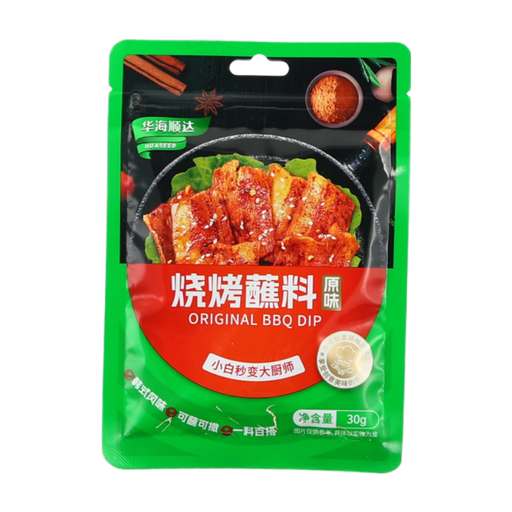
Why it suits this profile: The small pack is a practical way to try a BBQ dipping sauce before buying a larger quantity. The powder can be used as a dip straight away.
It’s clearly a dry dipping mix, not a sweet marinade that could burn on the grill. Do check the allergen information for wheat and sesame.
The 30-gram pack is easy to store and, according to the product information, suitable for a range of BBQ dishes.
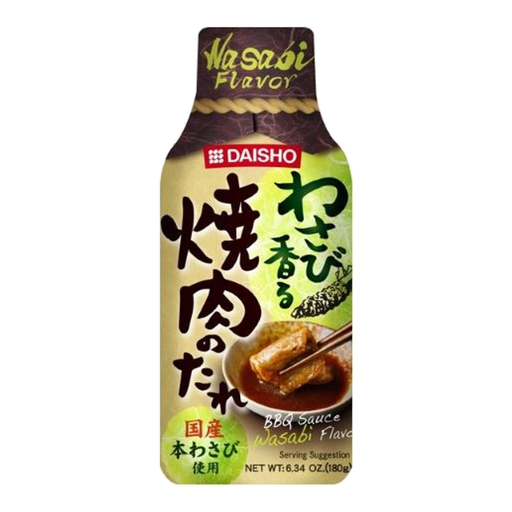
Why it suits this profile: Ideal for anyone who enjoys a distinctive Japanese flavour, with umami, sweetness and wasabi. According to the product description, the sauce can be used for grilling, marinating and dipping.
Its uses are described broadly, so you’re not limited to just one type of meat. Check for soy and wheat allergens.
The 180-gram pack contains no artificial colourings or preservatives, according to the product information, and can be used as a sauce, dip or marinade.
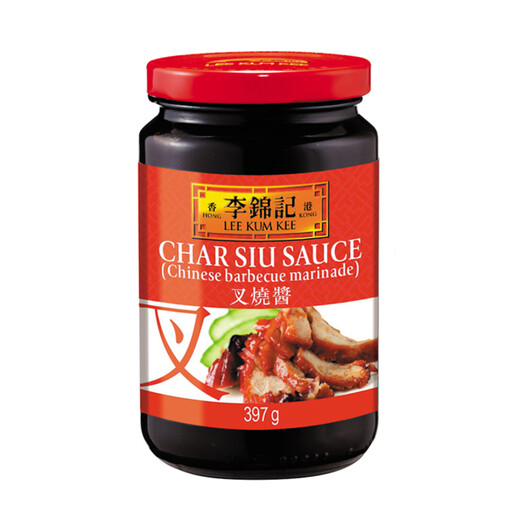
Why it suits this profile: The 397-gram pack is a good fit for frequent home cooks, large families and professional use. According to the product information, this Chinese BBQ sauce is intended as a marinade and glaze, including for pork.
The product information explains how much to use for marinating and when to brush it on. Its high salt and sugar content makes careful measuring important.
The 397-gram pack is suitable for the oven, air fryer, grill and pan; it contains wheat and soy.
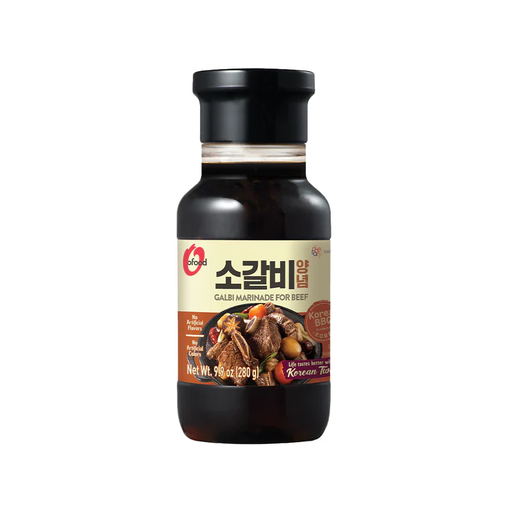
Why it suits this profile: This galbi marinade is made specifically for beef and is a convenient choice if you want to prepare a Korean BBQ dish without measuring out several separate ingredients.
The product name makes its specific use clear. Check the sugar, salt and allergen information before adding any extra flavourings.
The 280-gram pack contains ready-made marinade and, according to the product information, includes ingredients such as garlic, ginger, pear purée and apple purée.
We’ve put together a full, up-to-date list of products that meet these strict selection criteria and the applicable European safety regulations.
Teriyaki sauce is usually sweet and savoury, and can be used as a marinade, glaze or dipping sauce. Yakitori sauce is made for Japanese chicken skewers and is often syrupy in consistency. Yakiniku sauce is often served with grilled meat and, according to the product description, may also be suitable for marinating. The exact ingredients vary by brand.
It depends on the product. Some labels recommend refrigeration after opening; other products state that they can be kept out of the fridge for a limited time. Always check the label, best-before date and any instructions, such as “use within one month”. Keep the bottle clean and close it straight after use.
A versatile teriyaki sauce, yakiniku sauce or dry seasoning mix often works well with mushrooms, aubergine, peppers, tofu and sweetcorn. For vegetables, you could choose a product that’s also described as a dip. If you’re using tofu or meat alternatives, pay particular attention to soy in the ingredients list, as it may appear more than once.
