
Vandaag of morgen in huis

Kwaliteit gegarandeerd

Welkomstaanbiedingen ontgrendelen: GRATIS bezorging | Tot 80% korting | Gratis 30 dagen JoyPlus-proefperiode
Download de app
A good Asian barbecue sauce can quickly add flavour to chicken, meat, fish or vegetables. However, the difference between a sauce for glazing, a marinade and a dry seasoning mix is greater than the label may suggest. If you only look for words such as “sticky”, “Korean style” or “authentic”, you could end up with a product that is too sweet, too salty or unsuitable for the preparation you have planned.
This guide helps you compare sauces and seasonings based on verifiable information: intended use, ingredients, allergens, nutritional values and pack size.
A ready-made sauce is not automatically intended for marinating for several hours. Some products are primarily suitable as a dip or glaze during the final minutes of grilling. A sauce that is too thick or high in sugar can darken quickly at high temperatures.
So look out for terms such as marinade, brush-on sauce, glaze, dipping sauce or seasoning. A product described as suitable for several uses offers greater flexibility, but always follow the preparation instructions on the packaging.
“Sticky chicken sauce” usually refers to the syrupy texture. It does not tell you how much sugar, chilli or salt it contains. According to the product information, Go-Tan Sticky Chicken Yakitori Sauce contains 31 grams of sugar and 3 grams of salt per 100 grams. The Korean version contains 39 grams of sugar and 2.9 grams of salt, as well as red chillies and sesame oil.
If you prefer a less sweet flavour, it is better to compare the nutritional information rather than simply looking at the front of the bottle.
Many Asian sauces contain soya and wheat because of the soy sauce. Sesame is also common. When choosing a Korean barbecue sauce, teriyaki sauce or spare ribs sauce, check the full ingredients list and allergen information.
Seasoning mixes are not always free from allergens either. For example, according to the product information, TRS All Purpose Seasoning contains celery and mustard, while Huaseed BBQ Seasoning lists peanuts, sesame and soya.
First choose your preparation method:
A Japanese teriyaki sauce is often suitable for marinating, brushing and dipping. Yakitori sauce works well with chicken skewers and rice dishes. A Korean barbecue sauce can be used with meat, chicken and vegetables, but check that the level of heat suits your meal.
Always compare nutritional values per 100 grams or 100 millilitres. This prevents a small pack from automatically appearing to be “lighter”.
Examples from the range:
These figures affect not only the flavour, but also how much sauce you are likely to use. With a sweet sauce, a thin coating is often enough.
A 200 to 250 ml bottle is practical for a few meals or a small barbecue. For larger groups, a pack of 300 to 397 grams may be more convenient. Also check the storage advice:
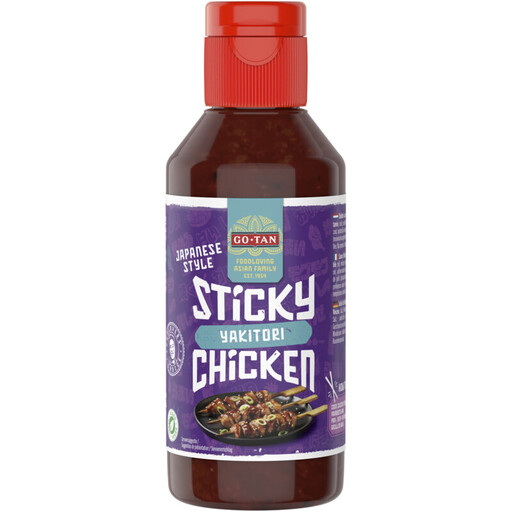
Why it suits this profile: A compact bottle with several uses: hot or cold, in the oven, air fryer or pan, or served straight at the table.
The product description clearly mentions use as a sauce and drizzle. The nutritional values show the amount of sugar and salt in advance.
220 ml, suitable for hot and cold use, with Japanese yakitori style. Contains soya and wheat; take care if you have a gluten allergy.
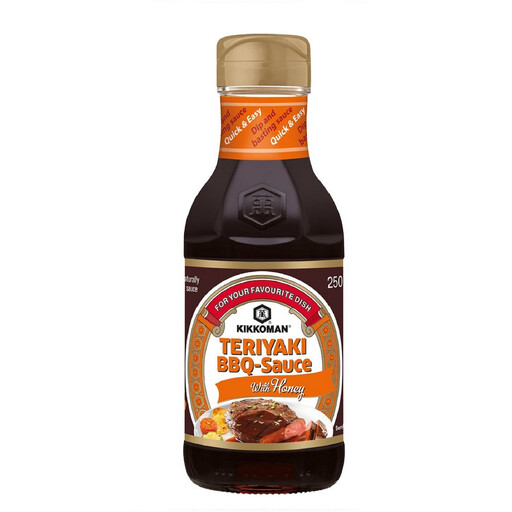
Why it suits this profile: Ideal if you are looking for a versatile teriyaki sauce for marinating, dipping, cooking and adding flavour to dishes.
The product information lists uses and ingredients separately. According to Kikkoman, the soy sauce is traditionally brewed; always check the current label before buying.
250 ml, 77 kcal per 100 ml and, according to the product description, no artificial colourings, flavourings or preservatives. Contains soya and wheat.
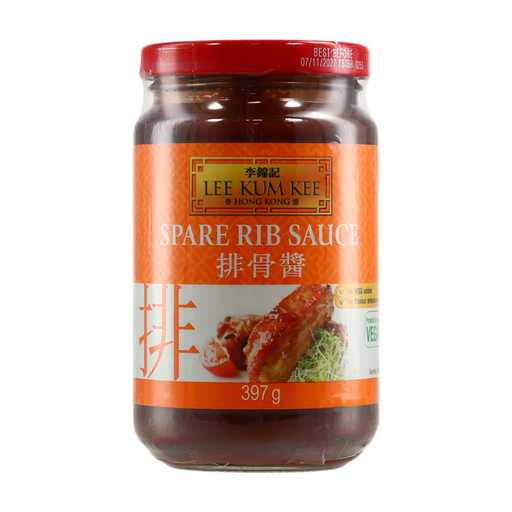
Why it suits this profile: The larger pack is practical for spare ribs, pork chops, chicken wings, oven cooking and multiple grilling sessions.
The product information distinguishes between marinating, braising and glazing. For glazing, the final 10 to 15 minutes are recommended, so the sauce is exposed to direct heat for less time.
397 grams, suitable as a marinade and glaze. Contains soya, wheat and sesame; according to the product information, the sauce should be refrigerated after opening.
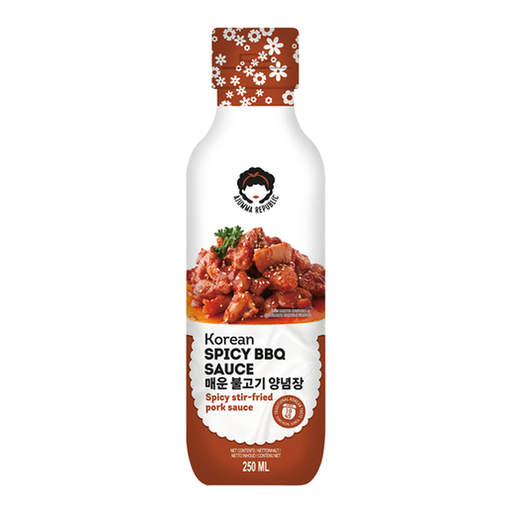
Why it suits this profile: Designed for anyone looking for a spicy BBQ sauce for marinating, dipping or glazing meat, vegetables and grilled dishes.
This variant is clearly labelled as spicy. The ingredients list includes chilli, sesame and soya, allowing you to assess the flavour and allergens in advance.
300 grams, Korean style, with chilli and sesame oil. Contains soya, wheat, sesame and barley; refrigerate after opening and use within the stated period.
We have put together a complete, up-to-date list of products that fully meet these strict selection criteria and the applicable European safety regulations.
For chicken, you can use yakitori sauce, Korean sticky chicken sauce or teriyaki sauce. Yakitori sauce is practical as a glaze or drizzle. If you want to marinate for longer, choose a product that explicitly lists marinade as one of its uses. It is best to apply a sugar-rich sauce later in the grilling process.
Yes, several products are also described as suitable for vegetables and fish. SONOKO Teriyaki Marinade can be used as a marinade, brush sauce or dip. With delicate fish, apply a thin layer and prevent the sauce from burning through prolonged exposure to direct heat.
This varies by product. Some Go-Tan sauces state that they can be kept for three months at room temperature after opening, while other sauces must be refrigerated. Always check the label, seal the packaging properly and use the stated period as a guide.
