
Vandaag of morgen in huis

Kwaliteit gegarandeerd

Welkomstaanbiedingen ontgrendelen: GRATIS bezorging | Tot 80% korting | Gratis 30 dagen JoyPlus-proefperiode
Download de app
Asian alcoholic drinks vary greatly in flavour, alcohol content, serving method and shelf life. A fruity Korean soju tastes very different from Japanese sake, while makgeolli is often cloudier and softer. When shopping online, it’s easy to be swayed by attractive packaging or vague terms like “light” and “premium”.
That’s why the Joybuy Product Recommendation Officer is here to help you filter the key information. This way, you can compare products using verifiable data and choose a bottle that suits your dinner, party, gift or quiet night in.
Flavoured soju with peach, lychee or melon often tastes soft and fruity. That doesn’t automatically mean the alcohol content is low. Many Korean soju drinks in the range contain 12% alcohol, similar to some wines.
So always check:
The term rice wine covers several different styles. Japanese sake such as junmai sake is brewed clear with rice, water, yeast and koji. Makgeolli rice wine is usually cloudy, lightly sparkling and softer in texture. Sweet rice wine from other Asian cuisines may be intended mainly for drinking chilled or for cooking.
The name alone doesn’t tell you enough. Also look at the ingredients, origin, alcohol content and serving instructions.
A 750 ml bottle or a multipack might seem good value, but it’s less practical if you’re drinking alone. For some fermented drinks, the product information states that they must be kept refrigerated after opening and consumed within a short time. Always check the packaging for the current storage and shelf-life information.
For a light drink or an introduction to Korean drinks, makgeolli at 3% to 6% or a sweet Japanese sake fusion at 7% are possible options. If you’re after a stronger, drier profile, look at junmai sake at 16%.
A fruity soju of 12% to 13% works well with a dinner or cocktail, but it doesn’t drink the same as a low-alcohol rice wine. Serve chilled when the label recommends it, and use a measuring glass when mixing.
Pay attention to the difference between:
Also check for allergens. A product may, for example, contain wheat or barley, while other drinks state in the product information that they contain none of the 14 major EU allergens. If in doubt, always check the label on the bottle you receive.
A 300 to 375 ml bottle is handy for one or two people. A 750 ml bottle is better for sharing over dinner. A pack of 20 bottles of 360 ml is more suited to a larger party or regular use, provided you factor in the storage space and the total alcohol volume.
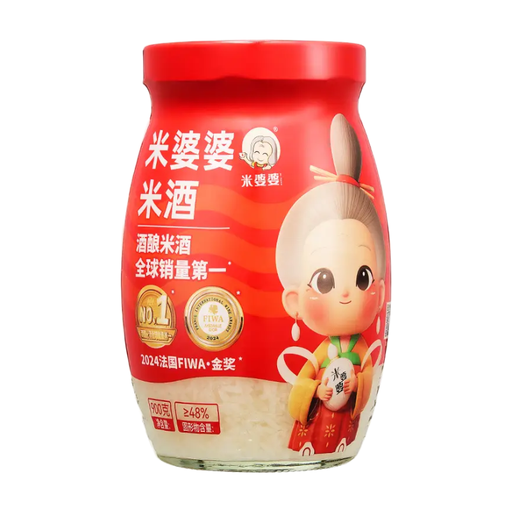
Why this fits the profile: With 1.2% alcohol and a 900 g volume, this is a mild choice for anyone wanting to try sweet rice wine or looking for a drink that can also be used in desserts and warm rice dishes.
The alcohol content and volume are clearly stated. This means you don’t have to judge a mild drink based on its sweet taste alone.
1.2% ABV, large 900 g bottle and suitable for serving chilled, warm or for culinary use according to the product information.
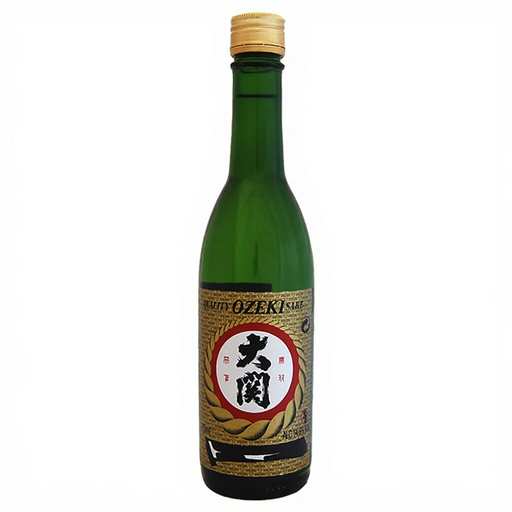
Why this fits the profile: According to the product description, this Japanese drink is made with water, rice and rice koji, with no added alcohol. The 375 ml bottle is a manageable size for a multi-course dinner.
The product details mention a specific production method and 16% alcohol. This gives you more to go on than general terms like refined or light.
Junmai style, 375 ml, 16% ABV and can be served chilled, at room temperature or lightly warmed.
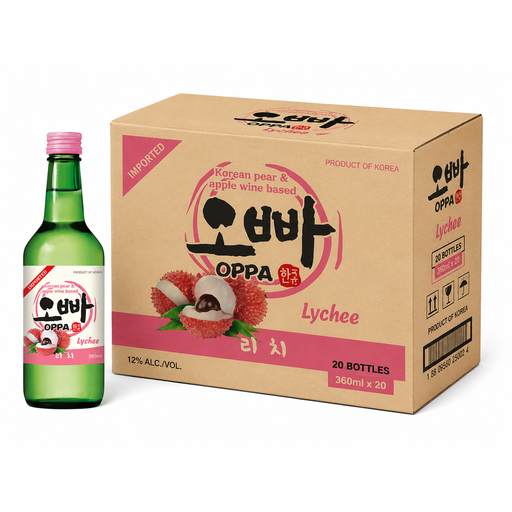
Why this fits the profile: The box of 20 bottles is aimed at parties, larger dinners and regular use. Each bottle contains 360 ml and 12% alcohol.
The multipack makes the total quantity clear upfront. This helps you better estimate the cost per bottle and the storage space needed.
20 individual bottles, 360 ml per bottle, 12% ABV and can be served chilled or with ice according to the product information.
We’ve put together a full, up-to-date list of products that fully meet these strict selection criteria and comply with current European safety regulations.
Before you check out, check the product page for:
A Japanese plum wine umeshu at 10% is, for example, suitable for anyone looking for a sweet-sour, fruity drink. The CHOYA Original Plum Wine of 750 ml can be served chilled, with ice or in a cocktail. For a smaller size, there is also CHOYA Plum Wine of 500 ml.
A fruity soju at 12% can be accessible because of its sweet taste, but the alcohol content remains similar to wine. If you consciously want to start lower, you could look at makgeolli at 3% to 6%, Nenohi red grape with sake at 7% or sweet rice wine at 1.2%.
Always follow the storage advice on the packaging. For fermented rice drinks, refrigeration after opening is often relevant. Only shake a cloudy makgeolli if the product information instructs you to, and open the bottle carefully if carbonation may be present.
That depends on the type. Junmai sake generally has a ricey, fuller profile, while a sake fusion with red grape can taste noticeably sweeter and fruitier. Check the ingredients and product description rather than relying solely on the word “sake”.
