
Vandaag of morgen in huis

Kwaliteit gegarandeerd

Welkomstaanbiedingen ontgrendelen: GRATIS bezorging | Tot 80% korting | Gratis 30 dagen JoyPlus-proefperiode
Download de app
When buying Asian alcoholic drinks online, you can quickly find yourself comparing a wide range of flavours, countries of origin and alcohol percentages. A bottle of Korean soju is very different from Japanese sake, plum wine umeshu or Chinese Shaoxing wine. Terms such as makgeolli rice wine and fruity alcoholic drinks do not always tell you enough about what is inside.
Most purchasing mistakes usually come down to three common pitfalls:
Always check the alcohol percentage by volume, abbreviated as % vol. This helps you compare products fairly:
A fruity flavour does not automatically mean that a drink contains little alcohol. Also check the recommended serving temperature: soju and sake-fusion drinks are often served chilled, while Shaoxing wine can also be used at room temperature according to the product information.
Read the ingredients list before buying an Asian drink online. Korean soju may contain not only water and distilled alcohol, but also fruit wine, sugar, syrup, fruit juice and flavourings. For example, 7DROPS Peach Soju contains, among other ingredients, pear and apple wine, peach juice and peach flavouring.
Pay particular attention to cereals containing gluten. Woorisool makgeolli contains, among other ingredients, barley and wheat flour. Some flavoured soju products also list wheat in their allergen information. Always check the current label before buying, as the packaging takes precedence.
You should also distinguish between:
The bottle size determines how much flexibility you have. A 750 ml bottle of CHOYA is suitable for sharing, while a 300 ml Nenohi bottle is convenient for a smaller group. Soju is often supplied in 360 ml bottles. A box of Chang Beer Classic contains 24 320 ml bottles, making it better suited to a party, barbecue or dinner with several guests.
Also check the storage instructions:
The choices below are based on verifiable details such as volume, alcohol percentage, ingredients, country of origin and recommended use. Descriptions such as “smooth”, “refreshing” or “traditional” are provided by the brand or seller and are not a guarantee of a particular taste preference.
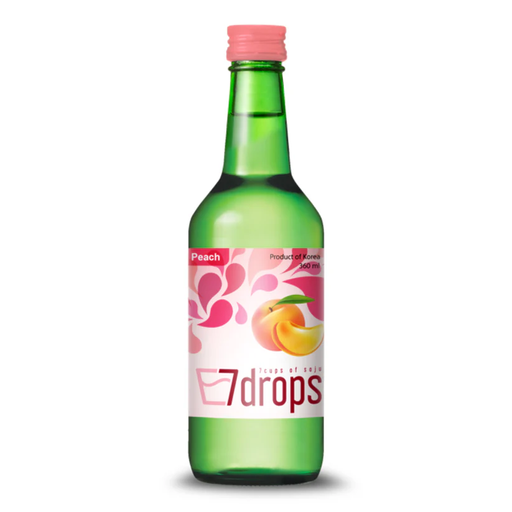
Why it suits this profile: The 360 ml bottle is a manageable way to try Korean soju for the first time. The peach flavour is ideal for lovers of fruity alcoholic drinks.
The 12% alcohol percentage and ingredients are clearly stated. This prevents the sweet flavour from being mistaken for an alcohol-free drink.
12% vol., 360 ml, Korean origin and suitable for serving chilled.
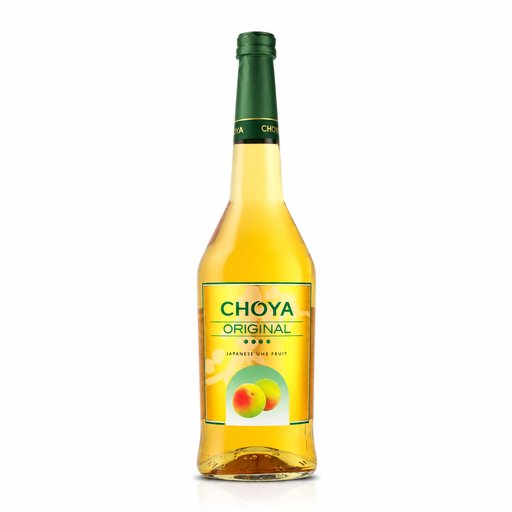
Why it suits this profile: This Japanese plum wine umeshu is aimed at anyone looking for a sweet, fruity drink to share, give as a gift or use in cocktails.
The bottle states 10% vol. and lists ume plums, sugar and distilled alcohol in the ingredients. This makes it easier to compare with other products.
750 ml volume, 10% vol. and, according to the product information, no artificial colourings or preservatives.
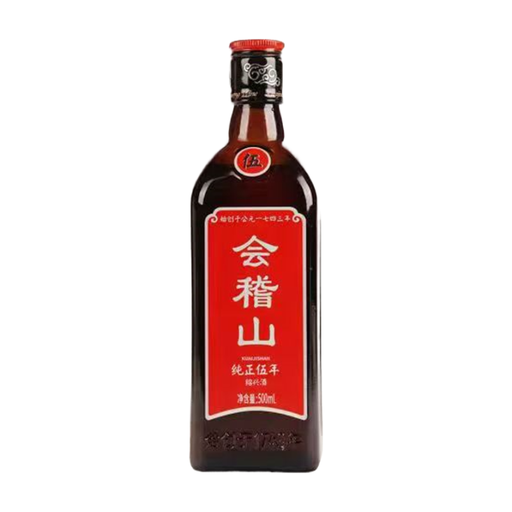
Why it suits this profile: This Chinese rice wine is suitable for anyone who wants to drink Shaoxing wine or enjoy it with Chinese dishes, while paying close attention to its origin, ageing and ingredients.
The product information states 14% vol., a volume of 500 ml, wheat as an allergen and five years of ageing. It is therefore clearly not an alcohol-free cooking product.
14% vol., 500 ml and, according to the product description, a base wine aged for five years; contains wheat.
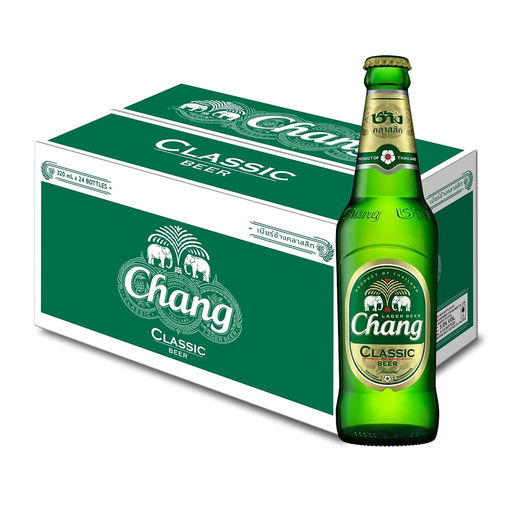
Why it suits this profile: The box of 24 bottles is practical for a barbecue, party or dinner where several guests want to enjoy Thai Chang lager.
The packaging states both the number of bottles and the alcohol percentage. This allows you to estimate the total quantity in advance.
24 bottles of 320 ml, 5% vol. and barley malt as an ingredient; contains gluten.
We have put together a complete, up-to-date list of products that fully meet these strict selection criteria and the applicable European safety regulations.
Korean soju is usually a clear distilled drink or liqueur, often available in fruit flavours and with an alcohol percentage of around 12% in the variants mentioned. Makgeolli is a cloudy, fermented rice drink with a creamy texture. The examples in the range contain 3% or 6% alcohol. With makgeolli, also check the ingredients for barley and wheat.
Plum wine umeshu, flavoured soju and fruit-based sake-fusion drinks are logical categories to explore. CHOYA Original Plum Wine contains 10% alcohol, while Nenohi Red Grape + Daiginjo Sake and Nenohi Chardonnay + Daiginjo Sake state 7%. If you are looking for a pronounced fruit flavour, you can also choose from peach, mango, lychee, apple, melon, strawberry, grape or raspberry.
That depends on the product. Kuai Ji Shan Shaoxing Wine is described as suitable for drinking, at room temperature or slightly warmed. Luhua Natural Aromatic Cooking Rice Wine, on the other hand, is intended for culinary use according to the product information and contains salt. Do not use cooking rice wine as a serving drink without checking, and always read the label. Alcohol is suitable for adults only; drink responsibly and follow the legal age limits.
