
Reader of illustrated art history books
You want to view text and colour images on the same device. Think about how much screen space and colour detail you need for the books you read.


Start with the books you want to read. If they’re mostly text, a compact black-and-white e-reader may be enough, while colour illustrations or fixed page layouts are better suited to a colour or larger screen. Also check the lowest usable light setting and whether you can open your files and any library books on the device. For frequent zooming in PDFs, the Consumers' Association says a tablet is easier to use.
You want to view text and colour images on the same device. Think about how much screen space and colour detail you need for the books you read.
You read while someone else is trying to sleep. Adjustable reading light, the lowest setting you can still read by and how easy the device is to use in the dark are all important considerations. Dark mode doesn’t guarantee that the light won’t disturb the other person.
You use books or articles with a fixed page layout. Compare a larger e-ink screen with how easy a tablet is to use if you often need to zoom in.
Best for: mainly reading text, having little space by the bed and not needing colour for images.
The trade-off: there are no colour images. Check whether fixed, illustrated pages remain comfortable to read on the smaller screen.
Best for: regularly viewing colour images while still wanting a handy size. According to Rakuten Kobo Netherlands, the Kobo Libra Colour has a 7-inch screen; PocketBook Netherlands lists a 7.8-inch screen for the PocketBook InkPad Color 3.
The trade-off: more screen space means a larger device. PocketBook lists the InkPad Color 3 at 150 dpi in colour, compared with 300 dpi in greyscale.
Best for: often reading PDFs or pages with a fixed layout, and prioritising screen space over portability. Kobo lists a 10.3-inch black-and-white screen and PDF note-taking for the Elipsa 2E; BOOX lists a 10.3-inch colour screen for the Note Air5 C.
The trade-off: the Elipsa 2E doesn’t display images in colour. A larger screen doesn’t guarantee that a particular PDF will be easy to use. Try the file and check which model and accessories you’ll need.
Best for: mainly studying photographic material and zooming in often. The Consumers' Association says PDFs are easier to enlarge on a tablet.
The trade-off: the convenience of zooming doesn’t tell you whether the lighting settings will work well beside a sleeping roommate; assess them separately.
Before choosing, compare a sample page from your own book, the reading light on the exact model and its file compatibility.
| What to consider | What should you check? | Who should prioritise this? |
|---|---|---|
| Images and colour | If possible, view a page from your own book and compare the image size, captions and visible detail. | If I want to view artworks and captions on the same device, I prioritise colour and image quality. Around 31% of consumers put images and colour first when choosing. |
| Reading light in the bedroom | Check the minimum brightness, light colour and dark mode on the exact model; try the settings in a dark room. | If I read while my roommate is trying to sleep, I want a setting that’s readable for me and causes as little disturbance as possible. Around 31% of consumers say reading light is their main concern when buying. |
| Fixed-layout pages and PDFs | Try a page with an image, footnote and caption; also check how to enlarge text and navigate the page. | If I want to see text, images and captions in their original positions, enough screen space matters. Around 25% of consumers prioritise readability for fixed-layout pages and PDFs. |
| Access to e-books | For each title, check the file format, available reading options and whether the device supports any required DRM. | If I want to read books I already own or have borrowed, I first check that my titles open on the device. Around 13% of consumers put access to the e-books they want first. |
A colour screen alone doesn’t tell you how small details in your art book will look. The stated colour resolution may also differ from the greyscale resolution.
Before choosing a screen type, compare a representative page with images, captions and fine details.
According to the online library, some books with lots of images can only be read in the app or online. So, a device that can handle the screen format won’t automatically give you access to every title you want.
Check a few titles you genuinely want to read in advance, including how they can be read, their file format and any copy protection.
The Consumers' Association points out that e-readers vary in how low you can set the lighting. Dark mode or a large screen doesn’t tell you whether the lowest light setting will be acceptable to your roommate.
Test the minimum light setting and controls in a dark room, and talk to your roommate about what feels comfortable.
The Kobo models mentioned range from compact black-and-white readers to colour models and a larger device for documents.
The InkPad Color 3 and Era Color are examples of colour e-readers with different screen sizes.
The Note Air5 C is a larger colour e-ink device to consider if you want to combine documents and notes on one screen.
These Joybuy products are E Ink devices for e-books and documents, with options for colour screens, compact reading and note-taking.
 No image available
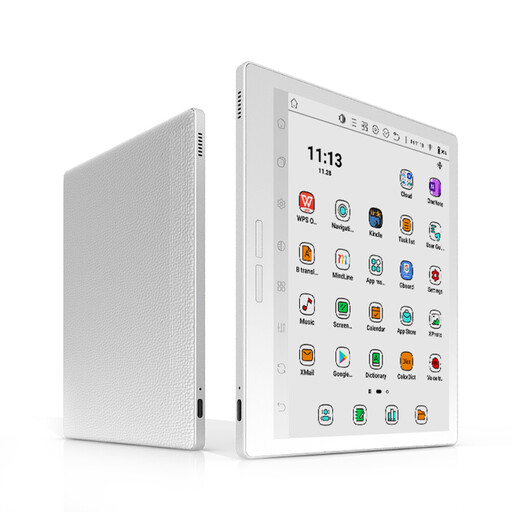
An option to consider if you’re looking for a colour screen and adjustable frontlight for reading in the bedroom.
The product lists a 7-inch screen, 4 + 64 GB and a frontlight with 36 levels. The stated resolution is 150 PPI in colour and 300 PPI in greyscale.
 No image available
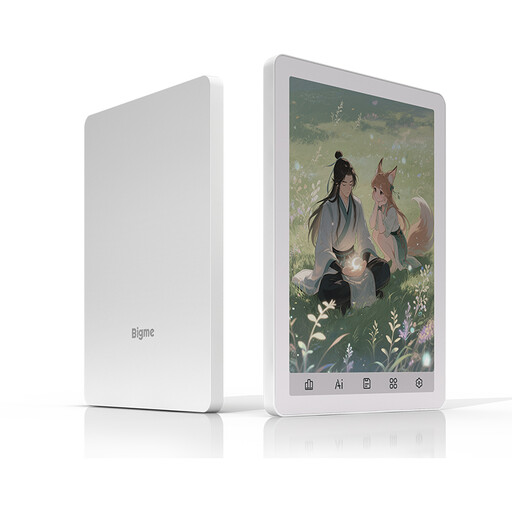
A compact option to consider if a smaller device and a colour screen are important to you.
The product information lists a 6-inch screen, a frontlight with 36 levels, Android 14 and 4 + 64 GB. The stated resolution is 150 PPI in colour, compared with 300 PPI in black and white.
 No image available
An option to compare if you want to view colour content on a smaller E Ink screen.
The product information lists a 6.13-inch Kaleido 3 colour screen, Android 14 and 8 GB + 256 GB. The stated resolution is 150 PPI in colour, compared with 300 PPI in black and white.
 No image available
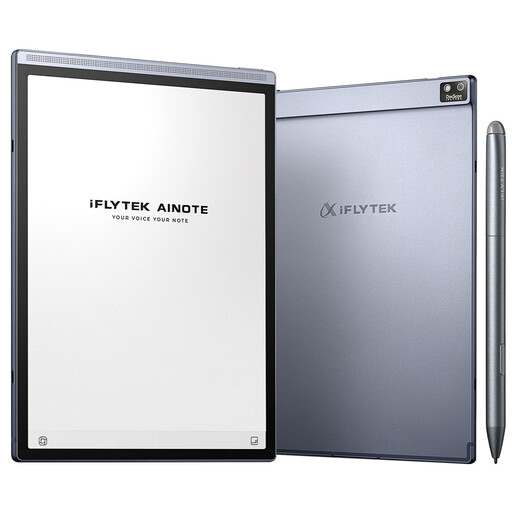
A larger E Ink device to consider if you want to read e-books and PDFs and take notes on one screen.
The product information lists an 8.2-inch screen for PDFs and e-books, a stylus and a two-colour reading light with 24 brightness levels.
Not necessarily. If possible, view a sample page on the screen size you’re considering. PocketBook lists the InkPad Color 3 at 150 dpi in colour and 300 dpi in greyscale; for lots of photographic material and frequent zooming, the Consumers' Association says a tablet is easier to use.
No. According to the online library, some books with lots of images can only be read in the app or online. Check the reading options for each title. For compatible borrowed files, also check that the exact device supports the format and required Adobe DRM.
Start with the lowest setting you can read comfortably by and, if the model offers them, compare warmer light and dark mode. The Consumers' Association points out that e-readers vary in how low the lighting can be set; no setting guarantees your roommate won’t notice the light.
According to the Dutch government, when you buy from a business at a distance, you’re often entitled to a 14-day cooling-off period. Check the seller’s information about the applicable cooling-off period and returns process in advance; the same rules don’t apply to a purchase from a private individual.
If the product is faulty, contact the seller. According to the Dutch government, there’s no fixed statutory warranty period in the Netherlands. What you can reasonably expect from the product depends, among other things, on the product, its price and the information provided. An additional warranty doesn’t replace your statutory rights.