
Vandaag of morgen in huis

Kwaliteit gegarandeerd

Welkomstaanbiedingen ontgrendelen: GRATIS bezorging | Tot 80% korting | Gratis 30 dagen JoyPlus-proefperiode
Download de app
When you’re looking for argan oil products, you’ll soon come across terms such as “repairing”, “intensively nourishing” and “heat protection”. These descriptions sound appealing, but they don’t always tell you what you’re actually buying. The right choice depends mainly on the type of product, the ingredients list and how you plan to use it.
A product may prominently feature argan oil on its packaging, while Argania Spinosa Kernel Oil appears near the bottom of the INCI list. That doesn’t automatically mean the product isn’t suitable, but it can help you keep your expectations realistic. Always check the full ingredients list.
Natural oils may still be unsuitable for your individual skin or scalp. Fragrance, for example, can be present in shower products, body lotions and hair care. If your skin reacts easily to fragrance, it’s worth comparing products with short, easy-to-read ingredients lists.
Argan oil for hair can add shine and leave hair feeling smoother, but hair oil isn’t the same as shampoo, conditioner or a heat-protection product. If you regularly blow-dry or straighten your hair, a product that specifically offers heat protection is more practical than using a standalone oil.
Also consider the texture. A lightweight oil or spray may be better suited to fine hair, while a richer conditioner may be a better fit for thick, dry or damaged hair.
Claims about repair, protection or hydration often come from the brand. A brand’s own research may show certain results under specific test conditions. So don’t treat these claims as a guarantee for every hair type or skin type.
Check the instructions, too. Hair oil is usually applied in a small amount to the lengths and ends. Conditioner generally shouldn’t be applied to the scalp, unless the packaging specifically says otherwise. When using a styling tool, the temperature setting matters: lower temperatures are generally a better choice for fine or fragile hair.
Don’t compare packaging prices alone. A 300 ml bottle of shampoo and a 385 ml bottle aren’t directly comparable. With hair oil, a small amount may be enough each time, while body lotion is applied more generously every day.
If you’re looking for plastic-free care, the HappySoaps Body Wash Bar is a different format from liquid shower gel. According to the product information, the bar contains 100 grams and is vegan, cruelty-free and 100% plastic-free. With solid products, make sure you have a dry soap dish so the bar doesn’t soften unnecessarily.
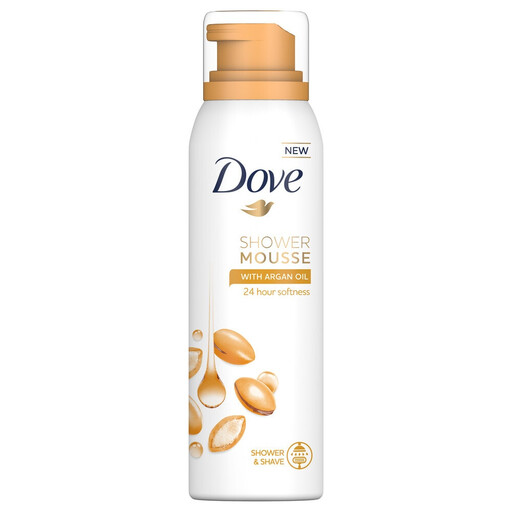
Why it suits this profile: An easy-to-try shower product for anyone who wants to try argan oil care without putting together an extensive routine. The mousse is suitable for showering and shaving.
The product information specifies the 200 ml size, how to use it and its ingredients. This makes it clear that it’s a rinse-off shower product, not pure argan oil.
200 ml, suitable for showering and shaving, with a sulphate-free formula according to the product listing.
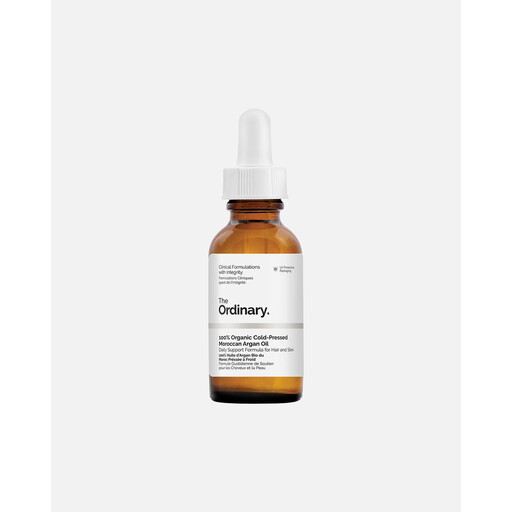
Why it suits this profile: For anyone looking for a versatile product with a short ingredients list for hair and skin. According to the product information, the oil can be used for both.
The ingredients list contains only Argania Spinosa Kernel Oil. No fragrance, alcohol or preservatives are listed in the supplied ingredients.
30 ml of cold-pressed organic Moroccan argan oil, according to the product description, supplied in an amber-coloured bottle with a pipette.
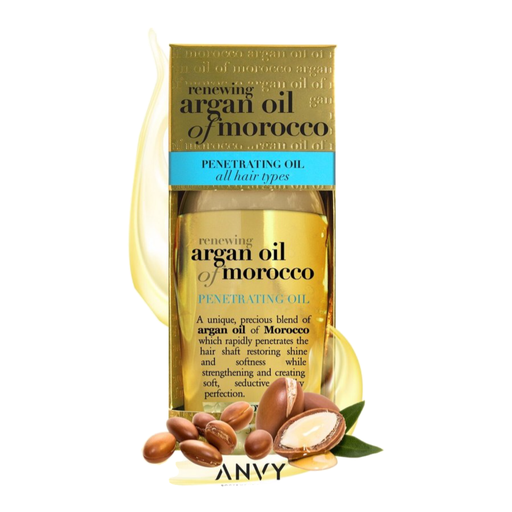
Why it suits this profile: Designed for people with dry, frizzy or damaged hair who want to use a leave-in hair oil alongside shampoo and conditioner.
The instructions recommend applying a small amount to towel-dried hair and working it through to the ends. This makes it easier to know how much to use than with a general oil claim.
100 ml, designed for dry hair and frizz; the brand description also mentions use with heat styling and exposure to UV rays.
We’ve put together a complete, up-to-date list of products that meet these strict selection criteria and current European safety requirements.
Argan oil can leave your hair feeling smoother and softer, but results vary depending on your hair type and the formula. For hair care for dry and damaged hair, it’s best to use a combination of shampoo, conditioner and, if you like, a small amount of hair oil. Apply the oil mainly to the lengths and ends to avoid weighing down the roots.
Shelf life varies from product to product. Check the packaging for the expiry date or the period after opening. Keep pure oil sealed, in a cool place and out of direct sunlight. Stop using a product if its smell, colour or texture changes noticeably.
That depends on the categories you choose. A simple routine could include shampoo and conditioner. If you also use styling products, you could add a hair oil or heat-protection spray. Compare the product size, recommended amount and how often you’ll use it, rather than looking only at the price per pack.
