
Vandaag of morgen in huis

Kwaliteit gegarandeerd

Welkomstaanbiedingen ontgrendelen: GRATIS bezorging | Tot 80% korting | Gratis 30 dagen JoyPlus-proefperiode
Download de app
Argan oil features in hair oils, shampoos, conditioners, body lotions and facial skincare. But the name on the front of the packaging doesn’t always tell you enough. A product may contain only a small amount of argan oil, for example, while the packaging puts the emphasis on “natural nourishment” or “intensive care”.
If you want to make an informed choice, consider what you’ll use it for, check the ingredients list and think about how the product is applied. Below, you’ll find the main pitfalls to avoid, what to check and a selection of products to suit different care routines.
In an argan oil shampoo or conditioner, argan oil is usually just one part of a complete formula. That may work perfectly well for everyday washing, but it’s not the same as pure argan oil.
Check the ingredients list for Argania Spinosa Kernel Oil. If this ingredient appears well after water, cleansing agents or fragrance, it’s probably not the main ingredient. If you’re looking for a multi-purpose oil for your hair, face and body, look for a product with a short ingredients list.
Silicones, fragrance and light-reflecting ingredients can temporarily make your hair or skin look smoother. That’s not necessarily a problem, but it tells you little about the formula’s longer-term effects. When choosing argan oil for your hair, check whether the product is intended as a styling oil, treatment or leave-in conditioner.
A styling oil can mainly help smooth the lengths and ends. Shampoo is primarily designed to cleanse your scalp and hair, so don’t expect every product to work in the same way.
Argan oil is concentrated. Fine, thin or easily greasy hair can feel weighed down if you use too much. Start with one or two drops, or a small pump, and apply the product from the mid-lengths to the ends. Avoid your scalp unless the packaging specifically lists it as an area of use.
The same principle applies to argan oil for your skin: applying a small amount to slightly damp skin is often more practical than using a thick layer.
A 30 ml bottle of pure argan oil may last longer than a larger bottle of shampoo, as you only need a few drops each time. So compare more than just the price per millilitre; consider how much you’re likely to use, too.
Also consider the packaging. A dark bottle or packaging that limits light exposure can be practical for oils. Store oils and care products according to the label, away from heat and direct sunlight.
Claims such as “72-hour hydration”, “less frizz” or “heat protection” are product claims. Check the supporting information and conditions of use on the packaging. For example, NIVEA refers to an instrumental evaluation or consumer test for certain lotions. According to the product information, these relate to specific test conditions and aren’t a guarantee for every user.
Fragrance ingredients such as limonene, linalool, geraniol and citronellol are found in several products. If you’re sensitive to fragrance, it’s a good idea to check the full INCI list. Stop using the product if irritation occurs and avoid contact with your eyes. Take extra care with pure oil: The Ordinary, for example, states that its product may cause serious eye irritation.
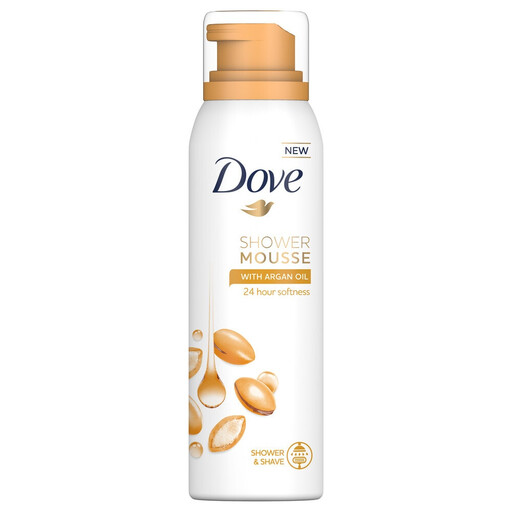
Why it suits this profile: This shower mousse combines washing and shaving in the shower. It’s a simple way for anyone to try argan oil in their daily routine.
The product information makes it clear that this is a shower and shaving product, not pure argan oil or a hair treatment.
200 ml, rich mousse, suitable for showering and shaving, and sulphate-free according to the product information.
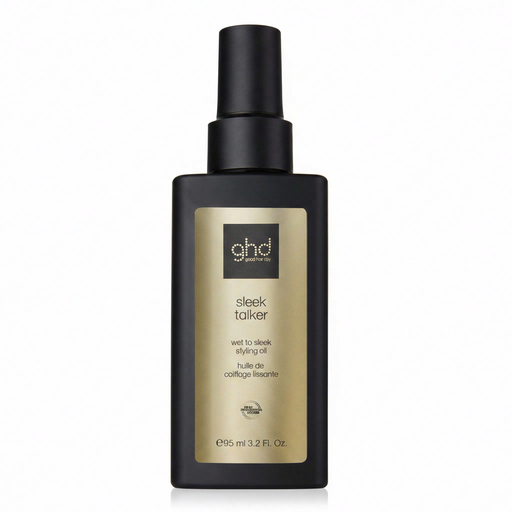
Why it suits this profile: This styling oil is designed to smooth and soften your hair while helping you style it. The recommended amount is tailored to use on towel-dried or dry hair.
The instructions give separate amounts for wet and dry hair, making it easier to avoid using too much oil and weighing your hair down.
95 ml, suitable for all hair types according to the product details, with argan oil and a stated thermal protective layer.
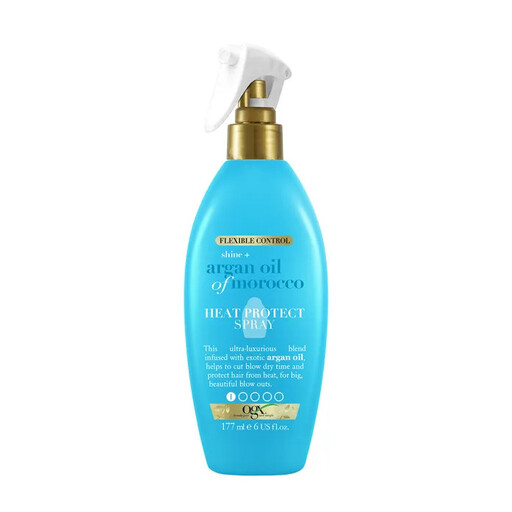
Why it suits this profile: This product is for anyone who regularly blow-dries their hair or uses other styling tools and wants to combine argan oil with a preparatory spray.
The product name and description explain that it’s used before styling. According to the brand’s product information, the spray is designed to help protect your hair from styling heat; always follow the instructions on the packaging.
177 ml, suitable for dry or damp hair according to the product description, with argan oil in a convenient spray format.
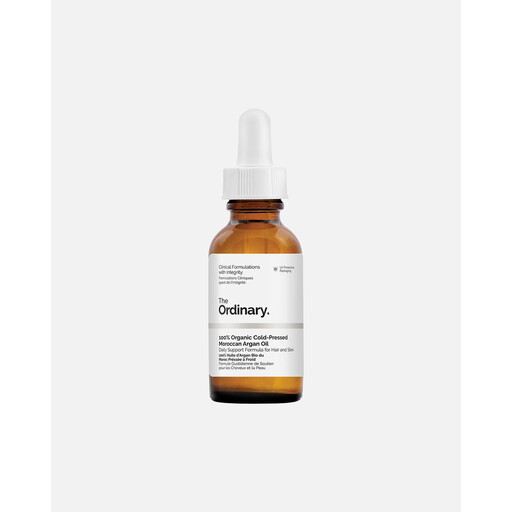
Why it suits this profile: The short ingredients list and dropper bottle suit users who want to control how much they apply to their hair, face or body.
The ingredients list includes Argania Spinosa Kernel Oil. This makes it clear that the product is pure argan oil, not a shampoo or styling blend.
30 ml, cold-pressed according to the product details, and fragrance- and preservative-free according to the product description.
We’ve put together a complete, up-to-date list of products that meet these strict selection criteria and current European safety regulations.
Argan oil can help make frizzy hair feel smoother and look shinier. The result depends on your hair type, how much you use and the formula. Apply a small amount to the lengths and ends. If you use heat, choose a product that explicitly states in its product information that it offers heat protection.
Work one to a few drops through clean, towel-dried hair, focusing on the ends. You can also apply a small amount to dry hair as a finishing touch. Start with a little: you can always add more, but too much product can weigh fine hair down.
Argan oil is used in facial and body care products. Test a new product on a small area of skin first and follow the warnings on the packaging. Don’t use oil on damaged or irritated skin if the label advises against it, and avoid contact with your eyes.
