If the app and episode you want already work well on the shared TV, you don’t need a separate streamer. If the app is unavailable or the controls aren’t right for you, a stick may be a good fit if the Wi-Fi connection is reliable; a box is an option if you want to use Ethernet. NPO describes NPO Start as offering HD: a 4K streamer won’t automatically make that content 4K.
Who is this buying guide for?
Programme seeker
You want to watch a specific episode about architecture or homes together. First, check whether it’s available from a Dutch streaming service. BinnensteBuiten is an example of an architecture programme on NPO Start; that doesn’t mean every programme is available there.
Shared-TV viewer
You want different people to be able to use the TV easily and perhaps have their own profiles. Profiles on a device and profiles within a streaming service aren’t the same thing; NPO, for example, describes profiles within NPO Start.
Connection chooser
You’re choosing between a compact stick that connects over Wi-Fi and a box with Ethernet, depending on the connections available for the shared TV. Google and Xiaomi describe different connection options for their devices.
What should you look for when choosing?
First, check whether you can watch the episode you want on your existing TV. Then consider the controls, connection, picture quality and any extras you may need.
The TV’s existing app
Choose this when: the service and episode you want are available on the TV, and the controls work for everyone in the shared space.
Consider: you won’t need an extra device, but apps on smart TVs can change or disappear, warns the Consumentenbond.
A streaming stick over Wi-Fi
Choose this when: the TV has a spare HDMI port, Wi-Fi works well where the TV is, and the app you want is available on that exact stick.
Consider: the Xiaomi TV Stick 4K (2nd Gen) requires a wireless connection, so check the connection where the TV is located.
A streaming box with Ethernet
Choose this when: you can connect the box to the TV with a network cable and want to use a wired connection.
Consider: you’ll need space for the box and a reliable cable connection. Also check whether a suitable HDMI cable is included.
| What to consider |
What should you check before buying? |
Who is this relevant to? |
| Access to the episode |
Look for the exact episode from the Dutch provider and check that the app works on your TV or streamer. |
If I want to watch a specific architecture episode, I first find out where it’s available. About 33% of consumers put access to the programme they want first. |
| Controls in a shared space |
Check whether the exact model comes with a remote and how the streaming service handles profiles. |
In a shared living room, I want everyone to be able to use the TV without having to keep using one person’s phone. About 27% of consumers put shared controls first. |
| Network connection |
Check whether Wi-Fi works well by the TV or whether you can connect an Ethernet cable. If you’re casting, also check your network settings. |
If I want to connect the streamer to the TV, I consider which type of connection is practical in that location. This is the main priority for about 20% of consumers. |
| Picture quality |
Compare the picture quality of the episode, the TV and the exact streamer. 4K or HDR requires compatible content and equipment. |
When watching architecture, I look for detail, but only want to consider picture features that are supported. Picture quality is the main priority for about 13% of consumers. |
| Viewing and connection costs |
Check whether the episode is available without a paid subscription and which cables and accessories come with the device. |
I want to know in advance whether I’ll need a subscription or extra connection accessories to watch the episode I want. About 7% of consumers put the total cost of viewing and connecting first. |
Buying pitfalls
-
Buying a 4K streamer just for NPO Start
NPO describes NPO Start’s picture quality as HD. A streamer can’t change the source resolution.
First, check the available picture quality for the episode you want and the app on your existing TV. Only consider 4K or HDR for content and equipment that support them.
-
Assuming any phone can cast straight away
With Google Cast, the phone and receiver need to be able to find each other on the local network.
Check that both devices are on the same Wi-Fi network and that the casting app has access to the local network. This applies to casting, but not necessarily to using a TV app.
-
Comparing a stick and a box by the 4K logo alone
Devices can differ in their network connections and the accessories included. Google and Apple say that an HDMI cable may need to be bought separately for the Google and Apple boxes mentioned.
Check the connections and what’s included with the exact model before you choose.
-
Mistaking a similar model name for the same version
A model name alone doesn’t make it clear whether two listings refer to the same generation or variant.
Compare the full model name, generation and relevant specifications before choosing a version.
Relevant brands to consider
Google
The Google TV Streamer (4K) is a box with a remote and Ethernet, for anyone who can use a wired connection by the TV.
- Google Netherlands lists support for up to 4K HDR and 32 GB of storage. The box has Ethernet.
- Google says the certified HDMI 2.1 cable is sold separately. Check that the app and episode you want are available on the exact device.
Xiaomi
The Xiaomi TV Stick 4K (2nd Gen) is a compact Google TV stick for a TV with HDMI and reliable Wi-Fi.
- Xiaomi lists a remote, power adapter, USB power cable and HDMI extension cable as included with this version.
- Xiaomi says the stick requires a wireless connection, and that 4K and HDR need compatible content and suitable equipment. Check the app separately.
Apple
The Apple TV 4K (4th generation) is a separate option for anyone looking for the controls and built-in Ethernet connection described by Apple.
- Apple lists gigabit Ethernet for this generation.
- Apple announced the model on 13 October 2026 and says it will be available from 13 November 2026. The HDMI cable is sold separately; also check that the TV app you want is available.
STRONG
The LEAP-S3 is a Google TV box with an Ethernet port listed by STRONG.
- STRONG lists HDMI, Google Cast and a remote.
- Check the Android version of the specific model before choosing one.
Joybuy products
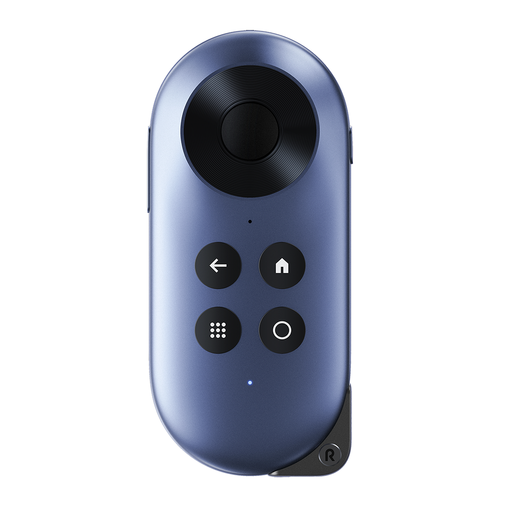
The Joybuy selection below is a portable Android TV device described as being for Rokid Max and Air Series AR Glasses. Check that this viewing setup suits your shared space and preferred streaming service.
 No image available
Rokid Station portable Android TV device for Rokid Max and Air Series AR Glasses
According to the product description, the portable device has a built-in battery and remote.
The product description says that Netflix is not currently supported.
View at Joybuy
Frequently asked questions
Where should I start if I want to watch an architecture episode?
First, look for the exact episode from a Dutch provider. For example, NPO Start has episodes of BinnensteBuiten about architecture. Then check whether the episode is still available and whether your TV or intended device supports the viewing method.
Do I need a separate streamer if my TV already has a streaming app?
No, not if the app and episode you want work well on your TV. The Consumentenbond warns that apps on smart TVs can change or disappear, so check the app again if it stops working.
Why can’t my phone find a casting device?
For Google Cast, check that your phone and receiver are on the same Wi-Fi network and that the casting app has access to the local network. This is a requirement for this casting method, not for every TV app.
Does everyone need to pay for NPO Start Plus to watch together?
No. NPO describes free catch-up viewing and Plus as a separate paid option that includes longer catch-up availability, among other benefits. Check whether the episode you want is available and which subscription terms apply at the time.
What are my rights if a streamer I bought online isn’t suitable?
According to ACM ConsuWijzer, online consumer purchases generally come with a legal cooling-off period of up to 14 days after delivery; exceptions may apply. You’re also covered by the legal guarantee if a product doesn’t meet the standard you could reasonably expect when used normally.


