
Vandaag of morgen in huis

Kwaliteit gegarandeerd

Welkomstaanbiedingen ontgrendelen: GRATIS bezorging | Tot 80% korting | Gratis 30 dagen JoyPlus-proefperiode
Download de app
Are you looking for a way to take your movies, games, or work to the next level? The market for AR glasses, also known as video glasses or smart glasses, is growing rapidly. The idea is simple: a giant, crystal-clear screen that you can take anywhere, packed into a sunglasses-style form factor. But with terms like XR, FOV, and nits, it can be tricky to decide which model is right for you.
This article will guide you. We'll explain what to look for and highlight several popular choices, so you can make an informed decision about your next wearable display.
Before you make a choice, it's helpful to understand a few specifications. This will help you find a model that meets your needs, whether you're looking for AR glasses for gaming or for watching movies on the go.
Not every pair of AR glasses works with just any device. Most models use a USB-C port with DisplayPort support. So, check if your smartphone, laptop, or console has this feature.
The viewing experience is determined by a few key factors:
Some smart glasses are more than just glasses with a screen. They offer extras like built-in AI assistants for translations, navigation, or taking notes. Other models, often called XR glasses, combine the real world with digital layers. Consider whether you need these smart features or if a pure wearable display is sufficient for you.
Below is a selection of AR glasses that stand out for their specifications and applications.
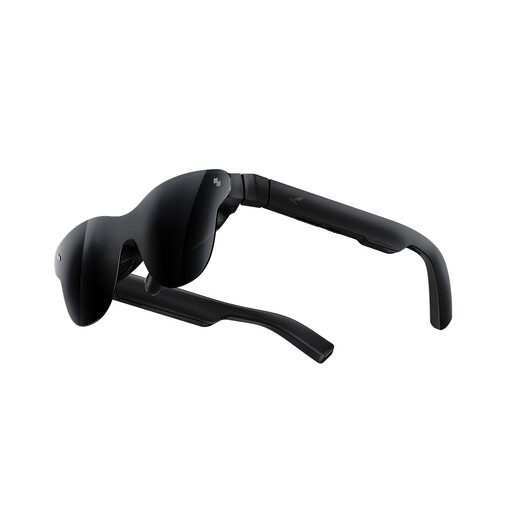
Why It Stands Out The RayNeo Air 4 Pro focuses on a high-quality visual experience. According to the manufacturer, this is one of the first AR glasses with an HDR10 display, ensuring exceptional colour range and contrast. The 201-inch virtual screen and 120Hz refresh rate make this a strong contender for anyone seeking a cinematic experience at home or on the go.
Pros
Who Is It For? For the user who prioritises image quality. Ideal for film lovers who want a private cinema and for gamers looking for a large, smooth screen for their console or PC.
View the RayNeo Air 4 Pro on Joybuy.nl
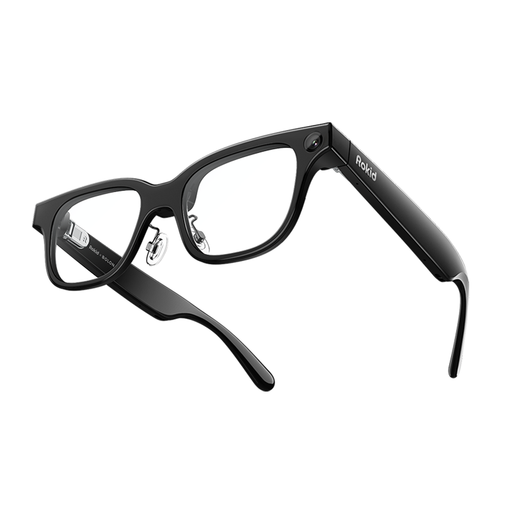
Why It Stands Out The Rokid Glasses distinguish themselves with a focus on AI and productivity. Weighing just 49 grams, this is one of the lightest models on the market. The glasses integrate AI assistants (with support for ChatGPT & Gemini, according to the manufacturer) for features like real-time translation, navigation, and taking notes during meetings.
Pros
Who Is It For? For the professional, traveller, or tech enthusiast looking for more than just a screen. If you value a lightweight design and smart, productive features, this is an interesting option.
View the Rokid Glasses on Joybuy.nl
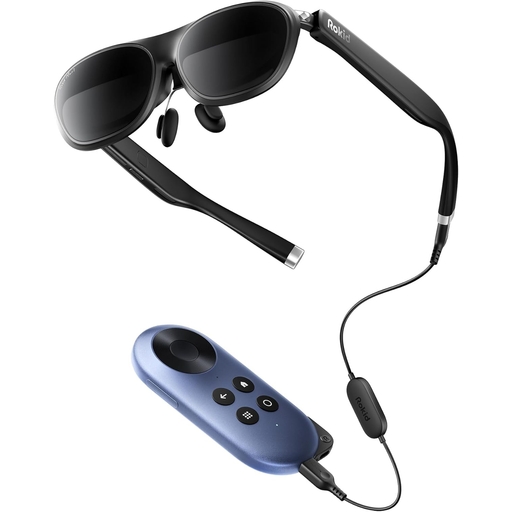
Why It Stands Out The Rokid Joy 2 (also known as Max 2) is an all-rounder that combines a large screen with a unique, practical feature: built-in diopter adjustment. Users with nearsightedness up to -6.0D can adjust the focus for each eye without needing to wear separate prescription glasses. The 215-inch virtual screen and broad compatibility make it suitable for a wide range of entertainment purposes.
Pros
Who Is It For? An excellent choice for glasses wearers who don't want the hassle of contact lenses or special inserts. Also great for gamers and movie watchers looking for a simple plug-and-play solution with a large, clear picture.
View the Rokid Joy 2 on Joybuy.nl
The world of AR glasses is constantly evolving, with more and more specialised models for different applications. If the options above don't quite match your needs, there are many more possibilities.
Discover our full range of AR glasses
A VR (Virtual Reality) headset completely shuts you off from the outside world and immerses you in a fully digital environment. AR (Augmented Reality) glasses, like the models in this article, project a screen into your field of view while still allowing you to see the real world around you. This makes them more suitable for use on the go or for tasks where you need to remain aware of your surroundings.
That depends on the model. Some AR glasses are spacious enough to fit over regular glasses. Models like the Rokid Joy 2 offer built-in diopter adjustment, allowing you to set the focus without needing to wear your own glasses. Always check the product's specifications.
Yes, in most cases, but sometimes with an extra step. For AR glasses for iPhone (models with Lightning) or consoles like the PS5 and Switch, you often need a special adapter that converts the HDMI signal to USB-C with DisplayPort. Newer iPhones with USB-C can often be connected directly. Read the product description carefully to see which adapters, if any, are required.
