
Vandaag of morgen in huis

Kwaliteit gegarandeerd

Welkomstaanbiedingen ontgrendelen: GRATIS bezorging | Tot 80% korting | Gratis 30 dagen JoyPlus-proefperiode
Download de app
When you search online for apricot products, you’ll quickly come across baby food, snacks, tinned fruit and skincare products. But the word “apricot” tells you little about a product’s full ingredients, how to use it or whether it’s right for you. A product containing apricot may be high in sugar, list allergens or simply smell of apricot without containing much of the fruit.
Use this practical guide to focus on the information that really matters.
Always check the order of the ingredients. They’re usually listed from the ingredient present in the greatest quantity to the one present in the smallest. For example, apple may be the main ingredient in an apricot compote. In a fruit bar, dates or banana can have a big impact on the flavour and texture.
It’s also important to look beyond the product name when buying dried apricots. Check whether sugar, malt syrup, preservatives, sulphites or flavourings have been added.
Baby food and snacks with no added sugar can still contain naturally occurring sugars. This applies, for example, to fruit purée, pouches and dried fruit. So check both the ingredients and the nutritional information per 100g.
When choosing apricot baby food, pay particular attention to the age recommendation, allergens and storage instructions after opening. A pouch is handy when you’re out and about, but it isn’t automatically suitable for younger children.
An apricot fragrance in a diffuser, shampoo or face mask often refers to the scent or product variant. It doesn’t mean the product contains much apricot extract. Read the ingredients list and usage warnings before ordering.
For an apricot blossom peeling gel, check whether it’s intended for the face or body, how often it can be used, and whether it contains perfume or other fragrance ingredients.
For food products, these details are essential:
With apricots in syrup, the liquid usually contains water and sugar. This makes them suitable for desserts, yoghurt or baking, but they’re different from apricots in their own juice.
Check the age recommendation on the packaging and always follow the manufacturer’s instructions. The range includes options from 8 or 12 months. Once opened, storage times are short: some pouches must be kept refrigerated for no more than one day, while other fruit purées should be used within 24 to 48 hours.
Also check for possible allergens. The Organix oat option lists cereals containing gluten. The Olvarit pouch option contains rye, among other ingredients. Only give baby food according to the age and preparation information on the label.
A 370-gram jar of apricot jam is handy for toast and baking, while a 425-gram tin of apricots in syrup is better suited to desserts or several portions. Dried apricots can be eaten straight from the pack, but it’s worth paying extra attention to sugar and sulphites.
For cosmetics and fragrance products, check:
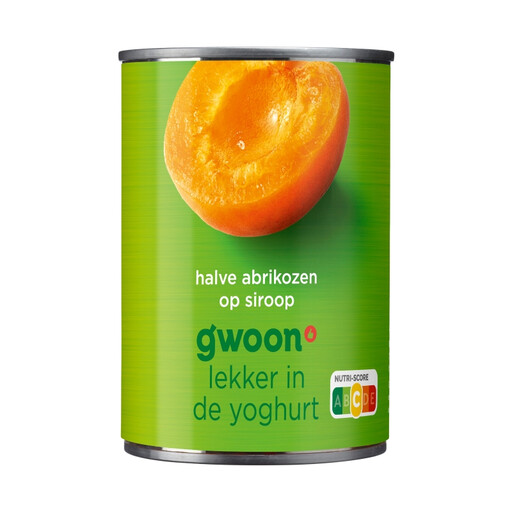
Why it suits this profile: A handy tin size if you want to use apricots in yoghurt, baking, ice cream or as a dessert, without stocking up on a large quantity.
The ingredients are clearly listed: apricots, water, sugar and citric acid. So you can see straight away that these are fruit in syrup, not apricots with no added sugar.
425g, halved apricots and a soft texture. According to the product information, it contains none of the 14 main EU allergens.
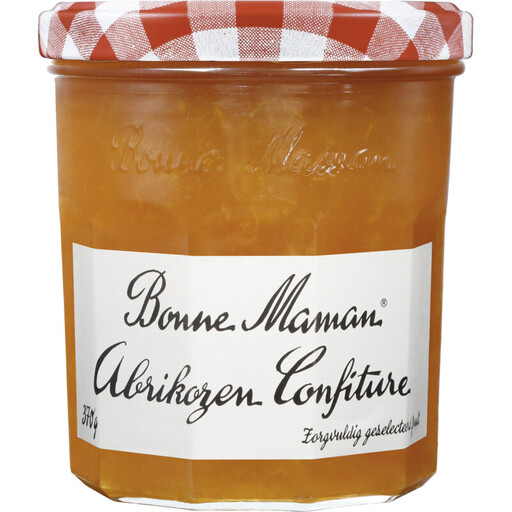
Why it suits this profile: Ideal if you’re looking for traditional apricot jam for toast, baking or cooking, and want to compare the ingredients beforehand.
The product information states that there are 50g of apricots per 100g of finished product and 60g of sugar per 100g. That makes it easy to check the sweetness, rather than judging by the front of the jar.
370g, with pectin as a gelling agent and a short ingredients list of apricots, sugar, lemon juice concentrate and fruit pectin.
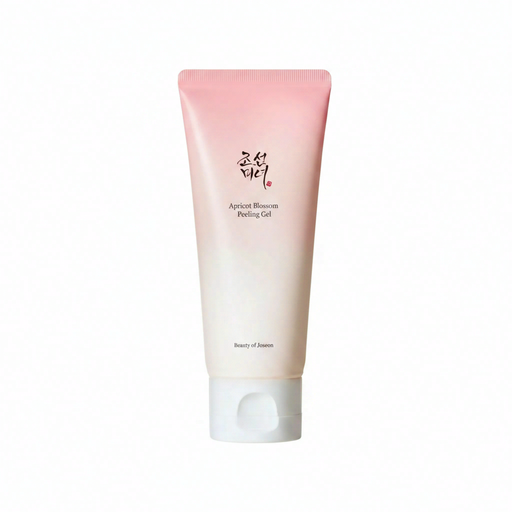
Why it suits this profile: For anyone specifically looking for a peeling gel for the face and body and wanting to build a regular weekly skincare step into their routine.
The instructions say to use it on dry hands and a dry face, massage for about 20 seconds and apply it 1 to 2 times a week. This helps you avoid exfoliating every day or scrubbing too hard.
100ml, with cellulose listed as an exfoliating ingredient in the product description. For external use only; avoid the eye area.
For families, apricot baby food and apricot purée are mainly a matter of age, texture and storage time. According to the product information, Olvarit fruit purée with apricot, apple and banana is suitable from 8 months. De Kleine Keuken and Organix options are labelled as suitable from 12 months. Check the current packaging for all products.
For a snack, you could try dried apricots or an organic apricot snack. Check the amount of added sugar and whether sulphites are listed. Apricot compote and apricots in syrup are handy for meals and desserts. Apricot jam is better suited to toast and baking, but it’s generally relatively high in sugar.
There are options beyond food, too. Apricot shampoo may simply be a fragrance variant, so check whether the formula suits your hair and whether it contains perfume. A diffuser with an apricot fragrance is for room fragrance only. According to the Zooly diffuser product information, the liquid is not for consumption and must be kept out of reach of children and pets.
We’ve put together a complete, up-to-date list of products that meet these strict selection criteria and the applicable European safety requirements.
Apricot purée usually has a smooth texture and is often used in baby food, desserts or sauces. Apricot compote may be chunkier and often contains other fruits, sugar or food acids. Check the ingredients list to see how the products differ.
The unopened product’s best-before date is shown on the packaging. Once opened, storage times vary by product. Refrigerate opened baby food according to the label and use it within the stated period. Opened tins and jars should generally be refrigerated and used quickly.
“Healthy” isn’t an absolute quality that applies to every situation. Dried apricots contain less water, so they’re relatively high in carbohydrates per 100g. Also check whether sugar, syrup, sulphites or flavourings have been added. This gives you a more accurate picture than the words “fruit snack” alone.
