
Vandaag of morgen in huis

Kwaliteit gegarandeerd

Welkomstaanbiedingen ontgrendelen: GRATIS bezorging | Tot 80% korting | Gratis 30 dagen JoyPlus-proefperiode
Download de app
A broken, lost, or inconveniently short charging cable is a familiar frustration. Apple's transition to USB-C for many of its devices hasn't made the choice any simpler. Do you need a USB-C to Lightning cable, or a USB-C to USB-C cable? And what is the difference between a standard and a woven charging cable? This guide will help you find the right genuine Apple USB-C charging cable for your iPhone, iPad, or MacBook, without the marketing jargon.
Before making a choice, it's helpful to consider a few parameters. This ensures you purchase a cable that suits your devices and usage.
Connector Type: This is the most critical factor.
Cable Length: The length determines your convenience.
Material: The cable's exterior affects its durability.
Charging Power: For fast charging, you need not only a suitable cable but also a compatible power adapter. Cables that support Power Delivery (PD) are required to utilise the maximum charging speed of a fast charger cable.
Based on the most common user needs and product specifications, we have selected the following genuine Apple cables.
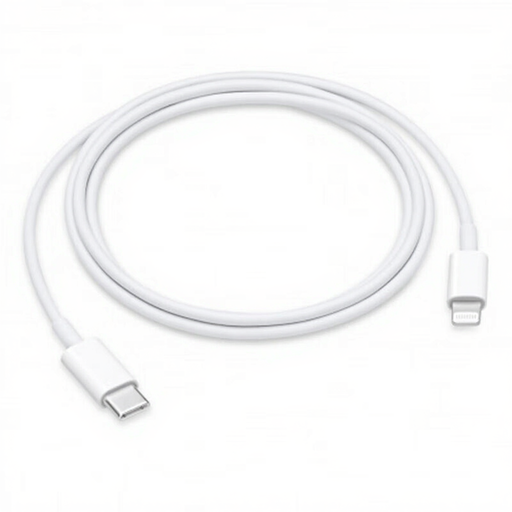
Why this product: This is the essential connection cable for users who want to connect older Apple devices with a Lightning port to newer devices or chargers with a USB-C port. It is the standard iPhone charging cable for models up to and including the iPhone 14.
Benefits:
Who is this for: For owners of an iPhone 14 or older, a standard iPad, or an older iPod who have a new USB-C charger or MacBook.

Why this product: This cable is the new standard for the Apple ecosystem. The woven nylon exterior provides extra durability compared to traditional plastic cables.
Benefits:
Who is this for: For users of an iPhone 15 or newer, a recent iPad charging cable for the Air, Mini, or Pro models, or a MacBook charging cable. A great choice for those who prioritise durability.
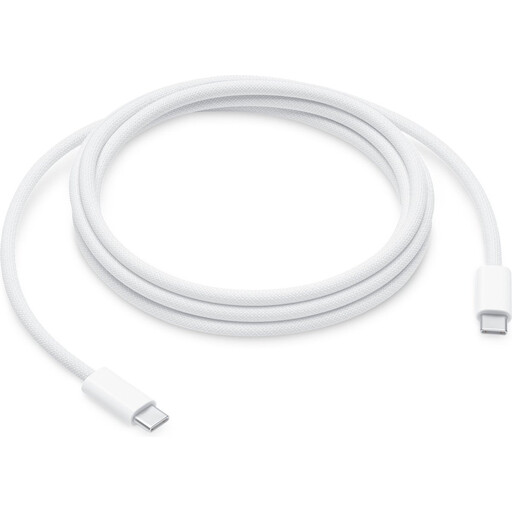
Why this product: This cable combines maximum length with high power and a durable design. Its support for up to 240W makes it suitable for the most demanding devices, such as a MacBook Pro, while the 2-metre length ensures optimal flexibility.
Benefits:
Who is this for: For users who need a longer cable and/or want to charge powerful devices like a MacBook Pro at maximum speed. Also ideal as a universal cable for home or the office.
Our selection covers the most common situations, but your specific setup may require a different length or specification. For a complete overview of all available options, including various lengths and brands that meet EU standards, please see our full category of USB Type C charging cables.
1. What is the difference between a USB-C to Lightning and a USB-C to USB-C cable? A USB-C to Lightning cable is designed to connect older Apple devices with a Lightning port (like the iPhone 14 and older) to a modern USB-C charger or port. A USB-C to USB-C cable has the same connector on both ends and is used for newer devices like the iPhone 15, recent iPads, and MacBooks.
2. Can I use any USB-C cable to charge my iPhone? While many USB-C cables will technically fit, it is recommended to use a genuine Apple cable or an Apple MFi-certified cable. This guarantees compatibility, safety, and optimal charging performance, and prevents potential damage to your device's battery or charging port.
3. What do I need to fast charge my iPhone or iPad? For fast charging, you need a combination of two things: a cable that supports fast charging (like the Apple USB-C cables mentioned above) and a USB-C power adapter with sufficient wattage (typically 20W or more) that supports Power Delivery (PD). The cable and the adapter work together to deliver the higher charging speed.
