
If you make your own puff pastry
You want to prepare your own dough for a morning coffee and know that mixing is just one step. Rutger Bakt also describes the rolling, folding and chilling that follow.


If you use ready-made puff pastry, you don’t need a food processor to mix the dough. If you’re making it yourself, only choose a machine if your recipe allows for machine mixing and your batch stays within the stated dough capacity. A larger bowl or higher wattage doesn’t, by itself, mean the machine can handle more dough, and it won’t take care of rolling, folding or chilling for you.
You want to prepare your own dough for a morning coffee and know that mixing is just one step. Rutger Bakt also describes the rolling, folding and chilling that follow.
You want to plan in advance how much dough will fit in the machine per batch. Bosch Nederland, for example, lists a maximum dough quantity for the MCM3100W; bowl capacity and dough capacity are two different things.
You want to use it for other preparation tasks after your morning coffee, so you compare the attachments included, how easy it is to clean and how much storage space it needs. Manufacturers such as Bosch, Magimix and Kenwood list different functions and accessories for each model.
Start with the type of dough and the recipe, then consider batch size, how you’ll use the machine after your morning coffee and how easy it is to clean.
Choose this if: you want to save time and don’t need to prepare the dough yourself.
The trade-off: you won’t need a food processor to mix the puff pastry; check the ingredients if allergies are a concern.
Choose this if: your recipe allows for machine mixing and the batch is within the model’s specifications.
The trade-off: rolling, folding and chilling are still separate steps; you may need several batches for a larger group.
Choose this if: you’re deliberately making a different type of pastry from classic puff pastry.
The trade-off: a shortcrust pastry recipe may call for short pulses; follow the recipe and don’t confuse this type of pastry with puff pastry.
| What to consider | What should you check? | Who should bear this in mind? |
|---|---|---|
| Type of dough | Choose the recipe first, then check whether the exact model has the required blade or dough attachment. Rutger Bakt also describes the manual folding and chilling steps involved in making puff pastry. | If I want to make my own puff pastry, I want to know first whether my recipe calls for machine mixing. Around 36% of consumers prioritise the type of dough. |
| Dough capacity and batches | Calculate the total dough weight from your recipe and compare the batch with the limit for the exact model. Bosch Nederland lists a 2.3 l bowl and a maximum of 0.8 kg of dough for the MCM3100W; Magimix Nederland gives a total capacity of 3.6 l and a processing capacity of 1.8 l for the CS 5200XL, but doesn’t specify a dough weight. | If I’m baking for a larger group, I want to know how many separate batches my recipe will require, rather than relying on the bowl capacity. Around 29% of consumers prioritise batch size. |
| Use beyond baking | Compare the accessories included with the exact model against tasks you’ll actually do later, such as chopping, slicing or grating. Also check whether the parts will fit in your available storage space. | If I want to use the machine more often, I want to know whether its extra functions will be useful for other kitchen tasks. Around 21% of consumers focus mainly on versatility. |
| Cleaning and sharing | Read the cleaning instructions for each part and clean all food-contact parts between uses. If you’re making food for others, keep track of the ingredients you use too; the rules for selling food depend on the activity. | When I bake for others, I want to be able to clean the parts thoroughly and know what’s in the pastry. Around 14% of consumers prioritise easy cleaning and sharing food responsibly. |
When you buy puff pastry, the dough has already been prepared. You don’t need a machine for that task.
First decide whether you’ll be making your own puff pastry and what other preparation tasks you want the appliance to handle.
Bowl capacity in litres and dough weight in kilograms aren’t the same thing. A model with a larger bowl doesn’t automatically have a higher stated dough capacity.
Use an explicit dough limit for the exact model. Don’t treat a stated processing volume as a substitute.
A dough attachment won’t automatically take care of the rolling, folding and chilling required by the puff pastry recipe you’re following.
Plan for the full recipe method, not just the mixing step.
Allow for the extra hands-on work and resting time involved in the remaining recipe steps.
The Bosch MCM3100W is a specific model to consider if you want a stated dough limit to help plan your batches.
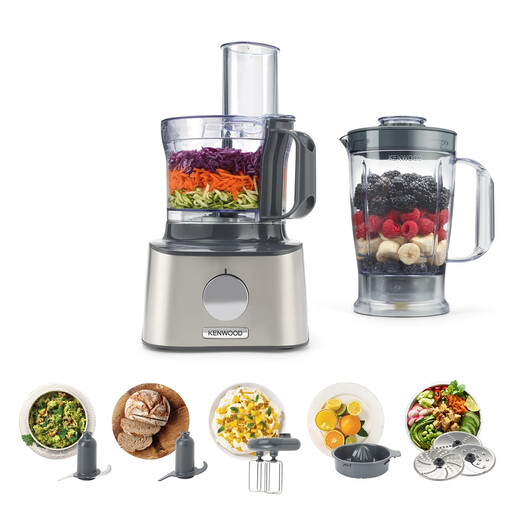
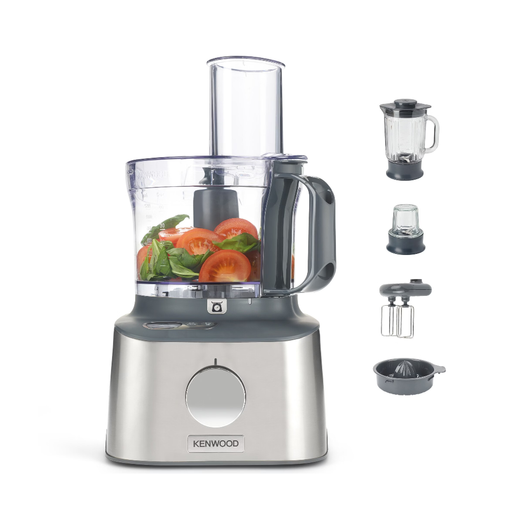
According to Kenwood, the MultiPro Express Weigh+ FDM71.450SS combines several food preparation functions.
The CS 5200XL is worth considering if you want to slice fruit as well as prepare dough, or if having several bowls matters to you.
The HR7778/00 may be worth considering if you also want to use the machine for other dough recipes.
This Joybuy selection includes food processors and kitchen machines whose product information mentions dough preparation or kneading. Check that each model has the right attachment and a suitable dough limit for your recipe.
 No image available
The product description mentions dough hooks and dough preparation; check whether the attachment is suitable for the mixing step in your recipe. The 4.5 L capacity isn’t a stated dough limit.
 No image available
The product information mentions dough preparation. The 2.3 L capacity isn’t a dough limit; compare your batch with the limit for this exact version.
 No image available
Kneading is listed as a function for this model. Check which dough tool is included with this version and whether your recipe allows for machine mixing.
 No image available
The product information mentions kneading and mixing. Before buying, check which dough tool comes with this version and whether it’s suitable for your recipe.
 No image available
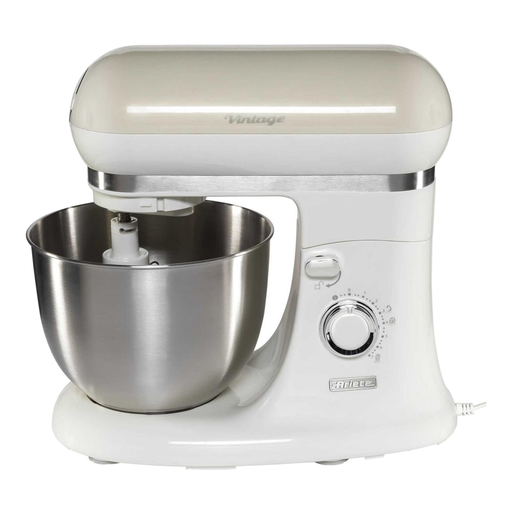
The product information mentions a dough attachment. A 5 L bowl doesn’t tell you how much dough you can process per batch; check the limit for your recipe.
No, not to mix the puff pastry. The dough has already been prepared; a food processor may only be useful for other preparation tasks you want it to handle.
No. Rutger Bakt describes briefly mixing the ingredients until they form a cohesive dough, followed by steps including rolling, folding and chilling. Follow your own recipe and stay within the appliance’s stated capacity.
Not without an additional dough specification for the exact model. Bosch Nederland lists both a 2.3 l bowl and a maximum dough capacity of 0.8 kg for the MCM3100W; the volumes Magimix gives for the CS 5200XL don’t automatically tell you the dough weight.
Calculate the total dough weight using your recipe, then divide it according to the maximum dough capacity of the exact model. If that capacity isn’t clear, check the model specifications before deciding on batch size; don’t convert litres into kilograms of dough.
You can, if the recipe is suitable. Good Food recommends briefly pulsing cold butter with flour to make crumbs for shortcrust pastry; follow your recipe’s quantities and method, and don’t process the dough for longer than necessary.