
Vandaag of morgen in huis

Kwaliteit gegarandeerd

Welkomstaanbiedingen ontgrendelen: GRATIS bezorging | Tot 80% korting | Gratis 30 dagen JoyPlus-proefperiode
Download de app
Apple snacks come in many forms: from fruit purées and apple sauce for babies to dried apple, apple sweets, apple jelly and apple tea. With such a wide range on offer, it’s not always easy to compare them. A packet labelled “natural”, “no added sugar” or “with fruit” doesn’t tell the whole story.
If you’re looking to buy apple snacks online, it’s worth checking the ingredients, nutritional values, age recommendations and portion size first. That way, you can be sure the product suits your family, the occasion and your dietary preferences.
A product can taste of apple without apple being the main ingredient. Always check the ingredients list and the percentage of apple or apple purée. With fruit purée apple and squeeze pouches, the amount of apple is often clearly stated. In sweets and jelly, apple concentrate may be used mainly for flavouring.
Fruit naturally contains sugars. A product with no added sugar can still contain sugars. Look at the nutritional information per 100g and compare it with the portion size. This is especially important with dried fruit, because removing the water makes the flavour and nutrients more concentrated per gram.
With baby food containing apple, pay attention to the stated age, texture, allergens and storage instructions. A product suitable from 4, 6, 8 or 12 months isn’t simply interchangeable. Always check the actual packaging too. Product information on a website can change or differ from what’s on the pack.
Choose based on how you’ll use it:
Comparing per 100g is useful, but the actual portion size varies a lot. A squeeze pouch, a bag of sweets or a handful of dried apple can contain very different amounts. Pay particular attention to:
A product that’s low in calories isn’t automatically suitable for every occasion. Konjac jelly, for example, may contain sweeteners like erythritol. Read the ingredients if you’re sensitive to them.
For young children, the usage instructions are crucial. Look out for:
With a baby product, an “organic apple snack” isn’t the same as a complete meal. It’s usually a supplementary snack or fruit preparation. Always follow the dietary advice on the packaging and, if in doubt, ask a healthcare professional for guidance.
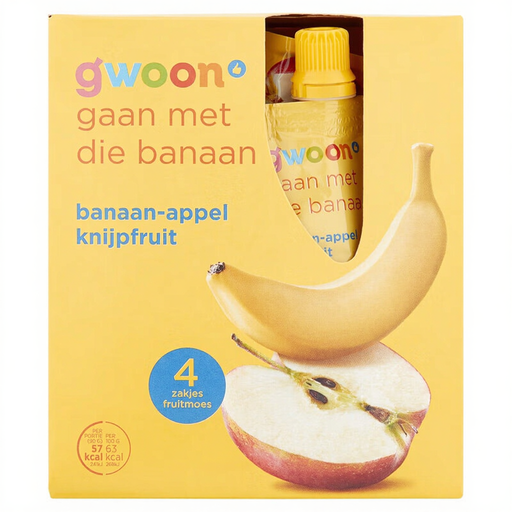
Why this fits the profile: Four portions of a simple apple and banana purée are practical for home, school or on the go. The recipe states 75% apple purée and 25% banana purée.
The apple percentage and ingredients are clearly stated. It’s still important to keep an eye on total sugar intake per portion.
Four pieces, 360g total, 0g salt per 100g and none of the 14 major EU allergens according to the product information.
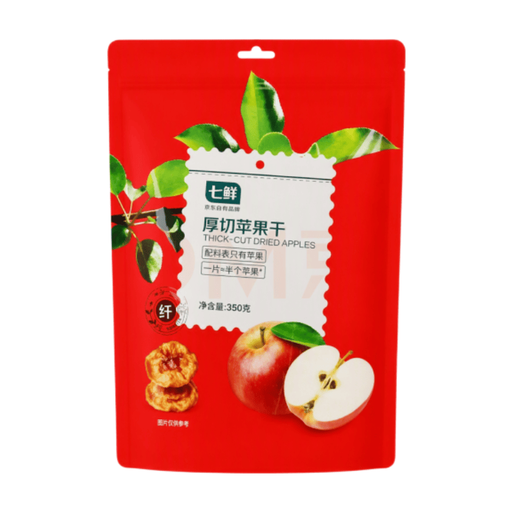
Why this fits the profile: The thick cut and large pack suit adults looking for a stash for the office, film nights or outdoor activities.
The ingredients list states only dried apples. Do check the shelf life and storage conditions after opening.
350g contents, 0.8g fat and 0.11g salt per 100g according to the product information. The snack is ready to eat.
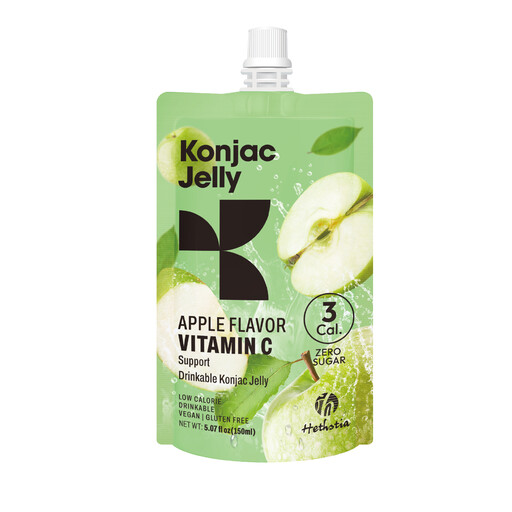
Why this fits the profile: The squeeze pack is designed for use on the go, at work, while travelling or after an activity.
The nutritional information states 0g sugar and 3 kcal per 100g. The product does contain erythritol and thickeners; read the label if you have specific preferences.
A 150g portion, ready to use straight away and, once opened, keeps for a maximum of two days in the fridge according to the product information.
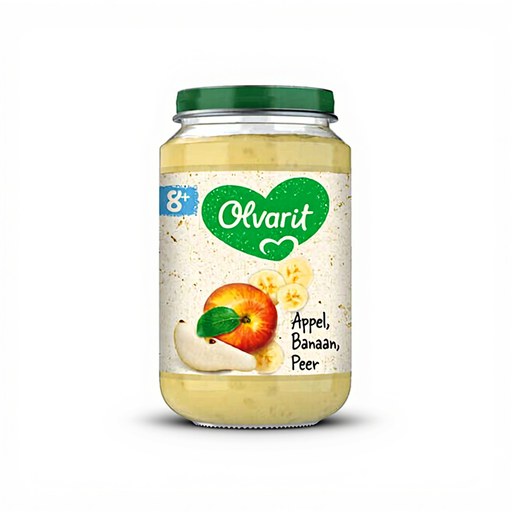
Why this fits the profile: This fruit purée is intended for babies from 8 months according to the product information, and combines apple, banana and pear.
The age indication and storage instructions are provided. Always check the packaging before use and do not give the product before the stated age.
200g contents, fruit as the main ingredient, and once opened, keep refrigerated and use within 48 hours according to the product information.
We’ve put together a full, up-to-date list of products that fully meet these strict selection criteria and comply with current European safety regulations.
Dried apple can be a convenient fruit snack, but it usually contains more concentrated sugars per 100g than a fresh apple. Some varieties also contain sugar or dextrose. So compare the ingredients and nutritional values, and keep your portion size modest.
Look at the age indication, ingredients, texture and storage instructions. There are fruit purées suitable from different ages, such as 4, 6, 8 or 12 months. A variety with yoghurt contains milk and needs extra attention for allergens. Always use the information on the packaging as your guide.
That depends on the recipe. A herbal or fruit tea without black tea generally contains no caffeine from tea, whereas a blend with black tea may contain caffeine. Pickwick Spices Turkish Apple Black Tea lists black tea as an ingredient and contains caffeine according to the product information. Check the label if you want to avoid caffeine.
Apple jelly is usually soft and often sold in a squeeze pouch. Apple sweets typically have a higher sugar content and a chewy texture. Look at the ingredients, portion size, sweeteners and allergens before you choose.
