
Same-day & Next-day Delivery

Quality Guaranteed

Unlock Your Welcome Offers: FREE Delivery | Up to 80% OFF | Free 30-day JoyPlus trial
Download the APP
Apple sauce may seem like a simple product, but the options on the shelf can vary considerably in taste, texture, ingredients and pack size. If you only look at the front of the jar, you could end up choosing a variety that doesn’t suit your household, meal or intended use.
Watch out for these three common pitfalls:
In a simple apple sauce, apple is usually listed first in the ingredients. Some varieties also contain sugar, lemon juice, citric acid or ascorbic acid as an antioxidant. For example, an apple sauce with no added sugar might contain apple purée, lemon juice and ascorbic acid.
Be aware of the difference between:
So a product labelled “0% added sugar” doesn’t automatically contain no sugars. Always check the nutritional information per 100 g.
Completely smooth apple sauce works well as a dessert, a topping for yoghurt or an addition to pancakes. A variety with pieces of apple has more texture and can be served as apple compote or as a side dish with a hot meal.
The product description often tells you whether the texture is smooth, firm or chunky. If you’re unsure, the ingredients list can be useful, but the current packaging is the best guide. Descriptions and packaging can change.
The most practical size depends on how you plan to use it:
Store unopened packaging in a cool, dry place away from direct sunlight, following the label instructions. Don’t use packaging that is damaged or swollen. Follow the label instructions after opening; some products need to be refrigerated.
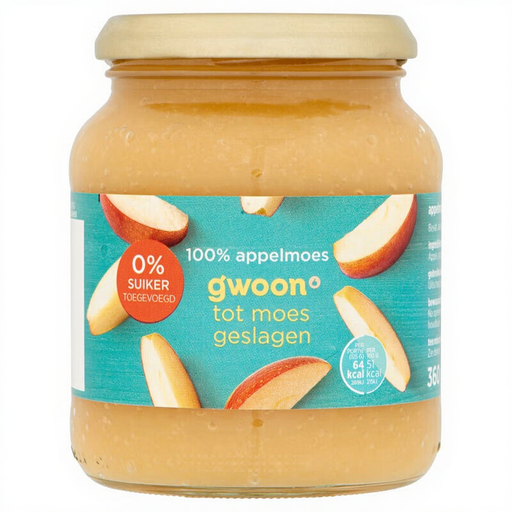
Why it suits this profile: The 360 g jar is a manageable size for shoppers who want to try a classic apple sauce with a meal or as a dessert. The ingredients list includes apple, ascorbic acid and concentrated lemon juice.
The nutritional information is clearly specified: 51 kcal and 9.5 g of sugars per 100 g. That means you don’t have to rely on the front of the pack alone.
360 g pack, described as 100% apple sauce, with none of the 14 major EU allergens listed.
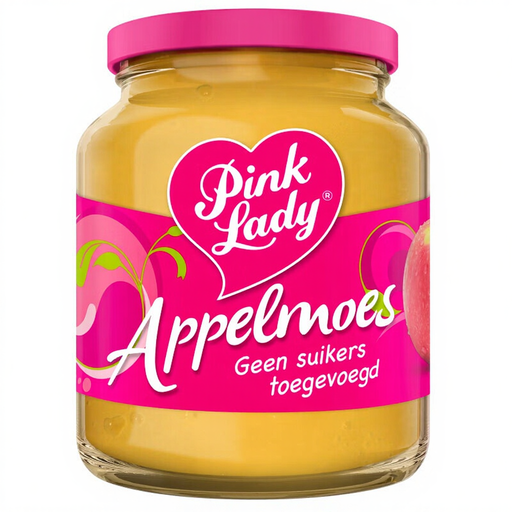
Why it suits this profile: This variety is for anyone looking for a firm texture and apple sauce with no added sugar. According to the product information, it is made with 99.8% apple.
The “no added sugar” claim is accompanied by nutritional information showing 9.5 g of sugars per 100 g. This makes the distinction between naturally occurring and added sugars clearer.
350 g pack, 47 kcal per 100 g and a firm texture according to the product information.
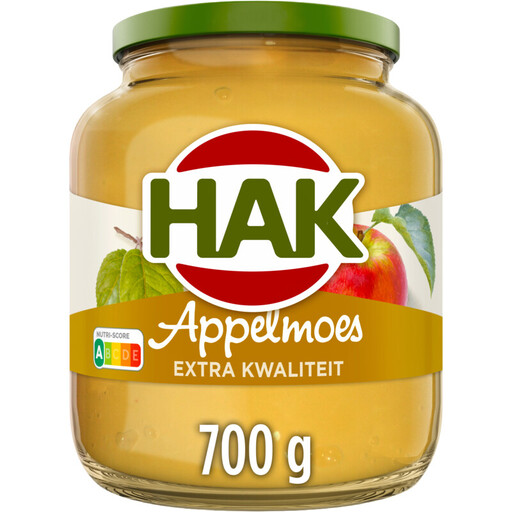
Why it suits this profile: The large jar is practical for families who regularly serve apple sauce as a side dish. The product description mentions a blend of three apple varieties and a firm texture.
The larger size only makes sense if you use it regularly. The nutritional information lists 13 g of sugars per 100 g, so check first that this suits your preferences.
700 g pack, firm texture and a product description featuring three apple varieties.
We’ve put together a full, up-to-date list of products that meet these strict selection criteria and current European safety requirements.
No. Apples naturally contain sugars. No ordinary sugar is added during the production of apple sauce with no added sugar, but the nutritional information may still show, for example, 9 to 12 g of sugars per 100 g.
Apple sauce is usually puréed more finely. Apple compote often contains more pieces of apple, giving it a chunkier texture. The names vary between brands, so check the product description and ingredients too.
It depends on the product and packaging. Always follow the storage and use-by instructions on the label. If the label says to, refrigerate an opened jar. Use a clean spoon and check the smell, colour and packaging before serving.
