
Vandaag of morgen in huis

Kwaliteit gegarandeerd

Welkomstaanbiedingen ontgrendelen: GRATIS bezorging | Tot 80% korting | Gratis 30 dagen JoyPlus-proefperiode
Download de app
Apple juice might seem like a straightforward purchase, but there’s a big difference between 100% apple juice, cloudy apple juice and apple juice drinks. Terms such as “natural”, “no added sugar” and “fresh fruit flavour” don’t always tell you how much apple is actually in the pack, either.
If you’re buying apple juice online, it’s worth looking beyond the brand or product image. The ingredients list, nutritional information and pack size are better guides to whether a product suits your household, breakfast, lunch or a party.
Apples contain sugar naturally. So a product can have no added sugar and still contain around 9 to 11 grams of sugar per 100 ml. This applies, for example, to several varieties of 100% apple juice. Always check the “of which sugars” line in the nutrition table.
An apple juice drink with water may contain less sugar per 100 ml, but it usually contains less fruit juice, too. That doesn’t automatically make it better or worse; it depends on when you plan to drink it and what you prefer.
An apple juice drink can have a distinct apple flavour without being made entirely from apple juice. For example, Van de Boom’s product information lists a fruit content of 70%, with water and natural flavourings. According to its product description, Wicky Apple Juice contains 10% apple juice concentrate, as well as water, sugar and fructose syrup.
If you want 100% apple juice, check that apple juice is listed as the only fruit ingredient and that the ingredients list doesn’t include water, sugar or sweeteners.
A 1.5-litre bottle may seem like good value for a family, but apple juice generally needs to be refrigerated after opening and used within the time stated on the packaging. For a one-person household or occasional use, 1-litre apple juice may be more practical. A small 190 ml bottle is handy for a packed lunch or a single drink.
Look out for these differences:
“From concentrate” doesn’t in itself indicate whether the sugar content is low or high. Always compare the nutritional information per 100 ml.
The products in this selection vary. Flevosap lists 10.5 grams of sugar and 46 kcal per 100 ml. Appelsientje Golden Apple Pure Juice lists 9.9 grams of sugar and 44 kcal per 100 ml. According to the product information, Van de Boom contains 6.7 grams of sugar and 29 kcal per 100 ml because it is made from fruit juice and water.
Bear in mind that nutritional information is sometimes given per 100 grams and sometimes per 100 ml. These figures are often similar for liquids, but for a fair comparison it’s best to use the same unit.
Choose a pack size to suit how much you use:
After buying, check the packaging for the best-before date and storage instructions. The products mentioned should be kept refrigerated after opening.
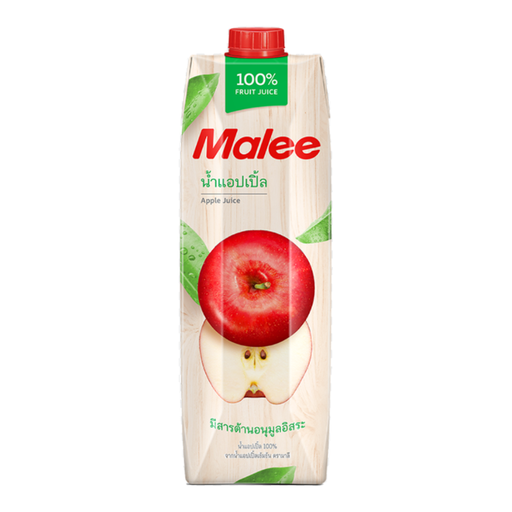
Why it suits this shopper: The 1-litre pack is a manageable size if you only buy apple juice occasionally and want to try a familiar, straightforward option first.
The product information lists apple juice from concentrate as an ingredient, with no added sugar, artificial flavourings or preservatives.
1-litre pack; 10.3 grams of carbohydrate and 9.8 grams of sugars per 100 grams, according to the product information.
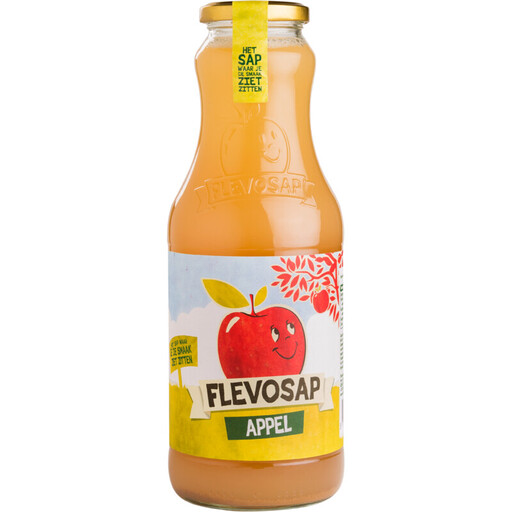
Why it suits this shopper: A good choice if you like a cloudy texture and an ingredients list containing only apple juice.
The product description says the juice is lightly filtered and made without additives. This makes it easy to see how it differs from a flavoured apple juice drink.
100% apple juice; naturally cloudy; 46 kcal and 10.5 grams of sugars per 100 ml.
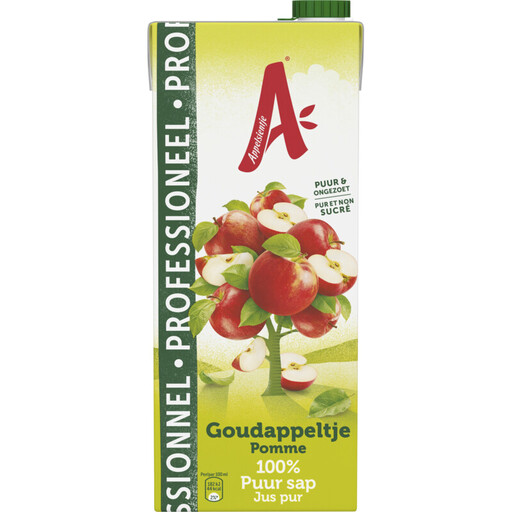
Why it suits this shopper: The 1.5-litre bottle is a good fit for families, regular use and occasions when you’re serving several glasses.
The product information says it is 100% pure juice, with no added sugar or preservatives. This makes it easy to check exactly what the juice is made from.
1.5-litre pack; 44 kcal and 9.9 grams of sugars per 100 ml; made from concentrated apple juice.
We’ve put together a complete, up-to-date list of products that meet these strict selection criteria and the applicable European safety requirements.
No. 100% apple juice describes the proportion of juice in the product. “No added sugar” means that no extra sugar has been added. The juice still contains naturally occurring fruit sugars, so check both claims separately.
Cloudy apple juice is filtered less, so it doesn’t look completely clear. Flevosap, for example, says it is lightly filtered. Clear apple juice has been filtered more thoroughly. The difference is mainly in appearance, texture and taste; always check the label for the exact ingredients.
This varies by product and packaging. The product information mentioned recommends keeping opened bottles refrigerated and using them within the time stated on the packaging. Close the bottle tightly and check the storage information before use.
