
Vandaag of morgen in huis

Kwaliteit gegarandeerd

Welkomstaanbiedingen ontgrendelen: GRATIS bezorging | Tot 80% korting | Gratis 30 dagen JoyPlus-proefperiode
Download de app
A carton of apple juice might seem simple to choose, but there’s a significant difference between 100% apple juice, an apple fruit drink and a sweetened apple drink. The front of the pack often features words such as “fruity”, “natural” or “no added sugar”. These terms don’t always tell you how much apple the pack actually contains.
If you’re buying apple juice online, it’s worth checking three things: the percentage of fruit juice, the ingredients list and the nutritional values per 100 ml. This helps you avoid buying a large pack that consists mainly of water, sugar, sweeteners or flavourings.
In 100% apple juice, the sugar comes naturally from the apples. So a product can be labelled “apple juice with no added sugar” and still contain around 9 to 11 grams of sugar per 100 ml. Don’t just look at the front of the pack: check the of which sugars line in the nutrition table too.
An apple fruit drink may contain water, sugar, sweeteners, flavourings and a limited amount of apple juice concentrate. For example, Wicky Apple Juice lists 10% apple concentrate. That makes it a fruit drink, not 100% apple juice. It may still suit you if you’re looking for a lighter, less sweet drink.
A drink with fewer calories per 100 ml may contain less fruit juice and more water or sweeteners. So always check the juice percentage, ingredients and sugar content together. For example, Cantabile Double Apple Ade lists water with sugar, 3% concentrated apple juice, sweetener and colouring in its ingredients. The name “apple ade” doesn’t mean it’s pure juice.
If the label says 100% apple juice, apple juice should be the main ingredient. Flevosap Apple Juice, for example, states “apple juice (100%)”. Appelsientje Golden Apple Pure Juice is also described as 100% pure juice, made from concentrated apple juice.
It’s different with a fruit drink. According to the product information, Van de Boom Apple Juice contains 70% fruit juice drink, with apple and lemon, water and natural flavourings. This may be a good option if you’re looking for a less concentrated drink, but it isn’t directly comparable to pure apple juice.
Ingredients are listed in descending order by quantity. A simple ingredients list might contain just:
A short ingredients list makes it easier to compare products. For apple drinks and apple fruit drinks, also look out for sugar, glucose-fructose syrup, sweeteners, flavourings and colourings. Check for allergens too. Products containing milk, such as some fruit drinks with a hint of dairy, aren’t suitable for everyone.
A 1-litre pack of apple juice is practical for a smaller household or if you’ll use it within a few days of opening. A 1.5-litre bottle of apple juice is better for families and regular use, but takes up more room in the fridge.
Smaller packs, such as Appelsientje Goudappel in 300 ml or WANT WANT portions in 125 ml, are handy for lunch, visitors or when you’re out and about. Always check the total quantity in multipacks: a large outer box doesn’t automatically mean you’re getting a better price per litre.
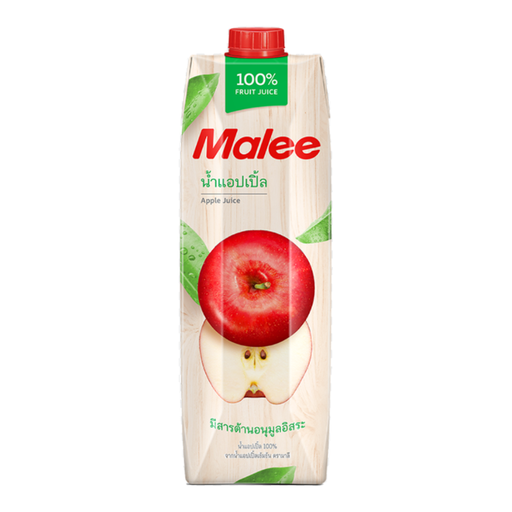
Why it suits this profile: A straightforward 1-litre pack with a short ingredients list: apple juice from concentrate.
The product information lists no added sugar, artificial flavourings or preservatives. Be sure to check the current label before buying.
1-litre pack; 10.3 g of carbohydrates and 9.8 g of sugars per 100 g according to the product information.
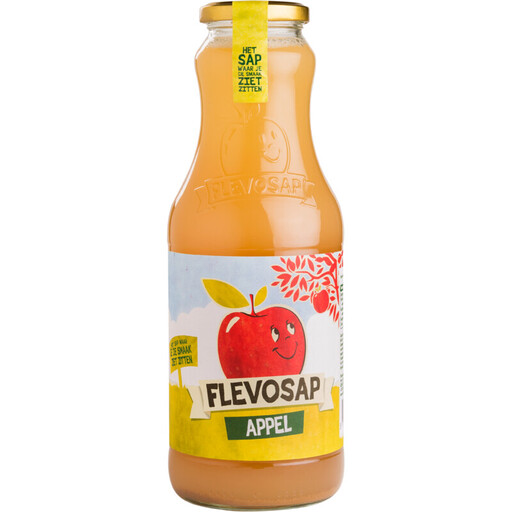
Why it suits this profile: For anyone who values cloudy apple juice and a pronounced apple flavour more than an extra-large pack.
The product information states that it is 100% apple juice, with no additives, and lightly filtered. This makes its ingredients clearer than those of many apple fruit drinks.
100% apple juice; 46 kcal and 10.5 g of sugars per 100 g; pasteurised according to the product description.
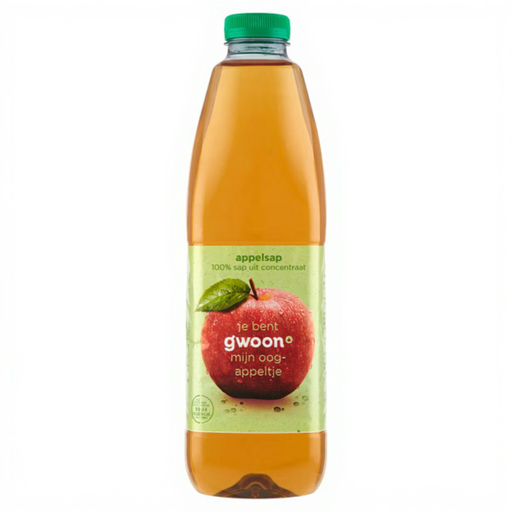
Why it suits this profile: The generous bottle is practical for families, visitors or anyone who regularly enjoys apple juice with breakfast and meals.
The product information lists apple juice from concentrate as an ingredient and states that it contains none of the 14 main EU allergens. This makes it a straightforward choice.
1.5-litre pack; 188 kJ per 100 g; great served chilled or used as a base for a drink mix.
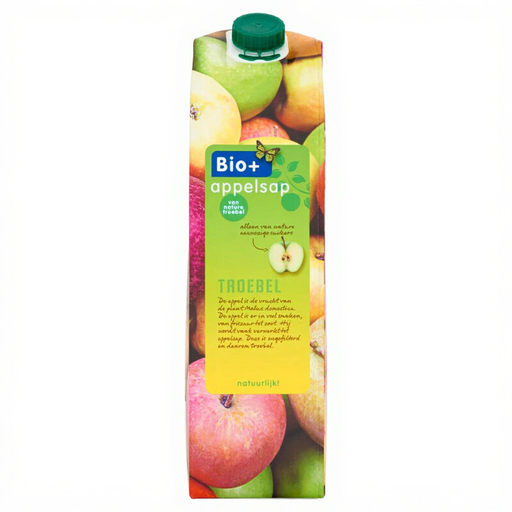
Why it suits this profile: An organic apple juice option for shoppers who consider the product’s labelling as well as its taste.
According to the product information, the ingredient is organic apple juice. Check the organic certification and current packaging when you buy.
1-litre pack; 44 kcal and 9.2 g of sugars per 100 g according to the nutritional information provided.
We’ve put together a complete, up-to-date list of products that meet these strict selection criteria and the applicable European safety regulations.
Store unopened cartons according to the instructions on the pack, usually in a cool place away from direct sunlight. Once opened, apple juice should generally be kept in the fridge. Close the pack securely and use the product within the stated time. Cloudy apple juice may contain sediment; if the packaging recommends it, give it a shake before use.
For an opened bottle, check the smell, taste and appearance too. Don’t use the product if the packaging is bulging, leaking or damaged. Always follow the use-by or best-before information on the pack.
No. 100% apple juice describes the proportion of fruit juice. No added sugar means that no extra sugar has been added to the product. The natural sugars from the apples are still present.
Cloudy apple juice is usually less heavily filtered, giving it a less clear appearance and sometimes leaving sediment. Clear apple juice has been filtered further. Appearance alone doesn’t tell you how much sugar or fruit juice the product contains; check the label for that.
A 1.5-litre pack of apple juice is practical for regular use. A household that gets through less juice may be better off choosing a 1-litre pack or smaller portions, so the juice is finished sooner after opening and spends less time in the fridge.
