
Vandaag of morgen in huis

Kwaliteit gegarandeerd

Welkomstaanbiedingen ontgrendelen: GRATIS bezorging | Tot 80% korting | Gratis 30 dagen JoyPlus-proefperiode
Download de app
Buying apple juice seems simple, until you start comparing labels. One bottle contains 100% apple juice, while another is mostly water. Terms such as “no added sugar”, “light” and “fruity” can also give a different impression from the ingredients list.
For families, parties and everyday use, there are three main pitfalls to watch out for:
If you’re looking for 100% apple juice, check the ingredients first. Appelsientje Golden Apple Pure Juice, for example, is described as being made from 100% pure apple juice. Its nutritional information lists 44 kcal and 9.9 grams of sugars per 100 ml. No sugar has been added, but the naturally occurring fruit sugars are still there.
g’woon Apple Juice in 1-litre and 1.5-litre packs is also described as apple juice from concentrate. According to the product information, Bio+ Apple Juice contains apple juice and is sold as an organic product.
An apple soft drink or fruit drink often has a lower fruit content. Wicky Apple Juice, for example, contains 10% apple concentrate. DubbelFrisss Apple Peach contains 15% fruit juice, while Van De Boom Apple Juice is a fruit drink made with around 70% fruit and water. These drinks may taste lighter and contain fewer calories per 100 ml, but they are not 100% apple juice.
Always use the nutrition table per 100 ml. This makes it easy to compare different packs fairly.
Sugar-free apple juice is not the same as apple juice with no added sugar. Products labelled “no added sugar” may still contain naturally occurring fruit sugars. Low-calorie fruit drinks sometimes use sweeteners, so check the ingredients for sucralose, steviol glycosides or other sweeteners.
A 1-litre apple juice is practical for a smaller household or if you don’t drink juice often. A 1.5-litre apple juice is better suited to families, meals or entertaining. Small packs are more convenient on the go, such as WANT WANT Apple Juice Drink at 125 ml per pack or DubbelFrisss Boost Apple Peach in a pack with a straw.
Also check for allergens. DubbelFrisss Boost Apple Peach lists milk as an allergen because it contains milk ingredients. Other products mentioned state that they do not contain any of the 14 main EU allergens. Check the packaging every time you buy, as recipes can change.
Store unopened drinks according to the label, away from heat and direct sunlight. Once opened, the bottle should generally be kept in the fridge. Also check the seal and best-before date.
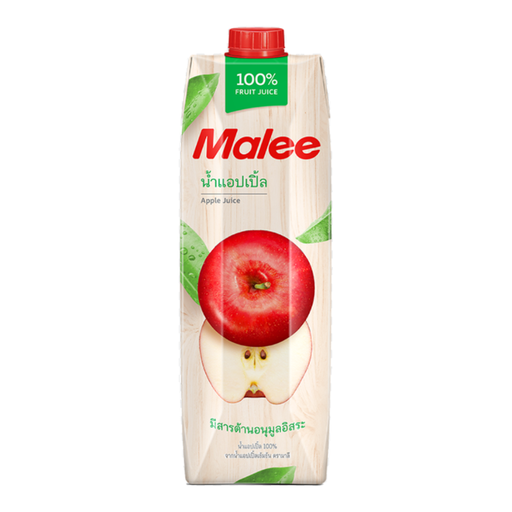
Why it suits this profile: A handy size for everyday use, without having to open a large bottle straight away.
The ingredients list states that it contains apple juice from concentrate and no added sugar. That makes it clear this is juice, not a flavoured soft drink.
1 litre; 9.8 grams of sugars and 188 kJ per 100 grams, according to the product information.
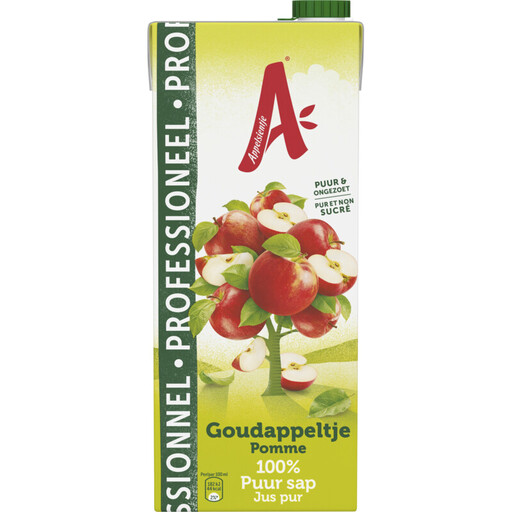
Why it suits this profile: A generous pack for fans of pure apple juice at breakfast, lunch or a family dinner.
The label states that it contains 100% fruit and no added sugar. Natural fruit sugars and nutritional values are still worth considering when comparing products.
1.5 litres; 100% pure apple juice; briefly heat-treated and preservative-free, according to the product description.
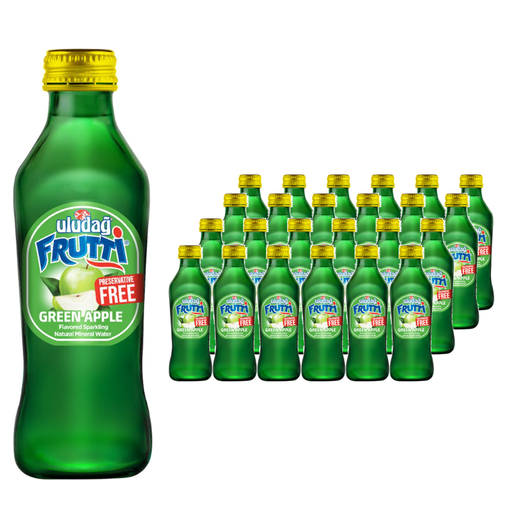
Why it suits this profile: Handy for parties and stocking up, with 200 ml portions and a fizzy apple flavour.
The pack contains 24 small glass bottles, so you don’t have to open a large bottle every time you want an individual serving.
24 x 200 ml; fizzy fruit drink; preservative-free, according to the brand’s product information.
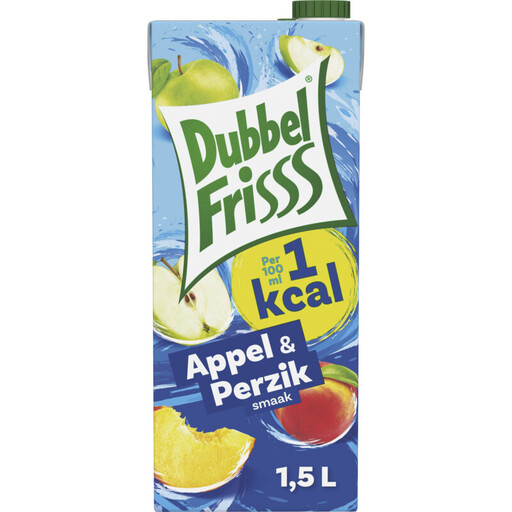
Why it suits this profile: A good option if you’re looking for a fruity apple and peach drink with a low stated energy content.
The nutritional information lists 1 kcal and 0.2 grams of sugars per 100 ml. The ingredients do include sucralose, and the drink contains just 1% apple juice and 1% peach juice.
1.5 litres; 1 kcal per 100 ml; apple and peach flavour; fizzy.
We’ve put together a full, up-to-date list of products that meet these strict selection criteria and comply with current European safety regulations.
No. “No added sugar” means that no extra sugar was added during production. 100% apple juice still contains natural fruit sugars, so check the nutritional information per 100 ml.
Apple juice is made from apples, often as juice from concentrate. Apple and pear juice combines apple with pear and may have a softer, sweeter flavour. Check the fruit percentage and the order of the ingredients to see which fruit makes up the largest proportion.
A 1.5-litre pack is usually practical if you’ll be serving juice on several occasions. A 1-litre bottle is better suited to a smaller household. For parties or when you’re on the go, smaller portions such as 200 ml or 125 ml are easier to share out. Once opened, always follow the storage advice on the packaging.
