
Vandaag of morgen in huis

Kwaliteit gegarandeerd

Welkomstaanbiedingen ontgrendelen: GRATIS bezorging | Tot 80% korting | Gratis 30 dagen JoyPlus-proefperiode
Download de app
A bottle of apple juice may seem like a simple choice, but there’s a big difference between 100% apple juice, a fruit drink and a diluted apple drink. Terms such as ‘no added sugar’ and ‘with vitamin C’ can also cause confusion. If you only look at the front of the packaging, you may end up paying for a product that isn’t right for how you want to use it.
As Joybuy Product Recommendation Officer, I focus on information you can check: fruit content, ingredients, sugar content, pack size and storage instructions. This makes it easier to find the right apple juice for breakfast, when you have guests or for everyday family use.
Apple juice with no added sugar still contains natural sugars from apples. So ‘sugar-free’ isn’t automatically an accurate description of 100% fruit juice. Always compare the nutritional values per 100 ml. For example, the available product information shows sugar levels ranging from 5.7 grams in Wicky Apple Juice to 10.5 grams in Flevosap Apple Juice per 100 ml.
A lower sugar content may also be because a product contains water. That doesn’t make it the same as pure apple juice.
A fruit drink may contain water, lemon juice, flavourings or sweeteners. According to its product specification, Van de Boom Apple Juice contains 70% fruit, water and natural flavourings. Wicky Apple Juice contains 10% apple concentrate, as well as water, sugar and glucose-fructose syrup.
That doesn’t have to be a problem, but the product has a different composition and taste from 100% apple juice. So check the ingredients list rather than relying on the product name alone.
Cloudy apple juice is lightly filtered or unfiltered, so it may contain more natural fruit particles. That doesn’t automatically mean the product is a better match for your preferences. Flevosap, for example, states that its juice is lightly filtered and contains only natural sugars. Also check the full ingredients list, nutritional values and the taste you prefer.
First, choose between:
If you’re specifically looking for 100% apple juice, you could consider Flevosap Apple Juice, Appelsientje Golden Apple Pure Juice or g’woon Apple Juice. Check the current packaging, as product ingredients can change.
Compare the values per 100 ml. This makes it possible to compare an apple juice 1 litre, an apple juice 1 litre and an apple juice 1.5 litres fairly. Look at:
A 200 ml glass contains twice the nutritional values shown on the label per 100 ml. ‘No added sugar’ doesn’t mean there’s no sugar present.
A 1-litre pack is practical for a smaller household or if you don’t drink apple juice every day. A 1.5-litre pack may be more convenient when you have guests or for a family, but you’ll need enough fridge space once it’s opened.
For the products mentioned, the general advice is to keep refrigerated after opening, close the cap tightly and consume within the time stated on the packaging. Also check the seal before use and always follow the label.
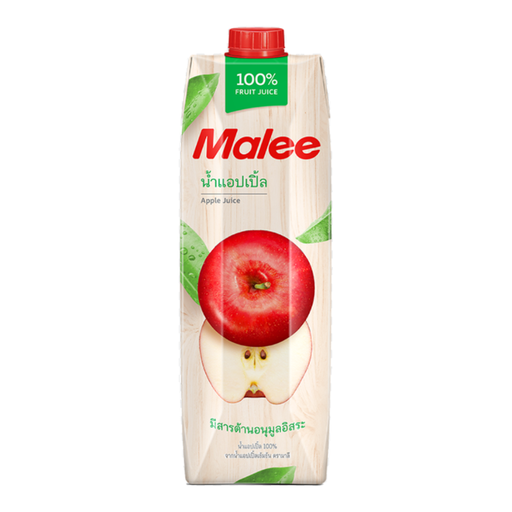
Why it suits this profile: The 1-litre pack is a straightforward option for a first purchase, and the ingredients list states that it contains apple juice from concentrate.
The product information states that it contains no added sugar, artificial flavourings or preservatives. Be sure to check the current packaging before buying.
1-litre pack; 9.8 g of sugar and 188 kJ per 100 g according to the stated nutritional values.
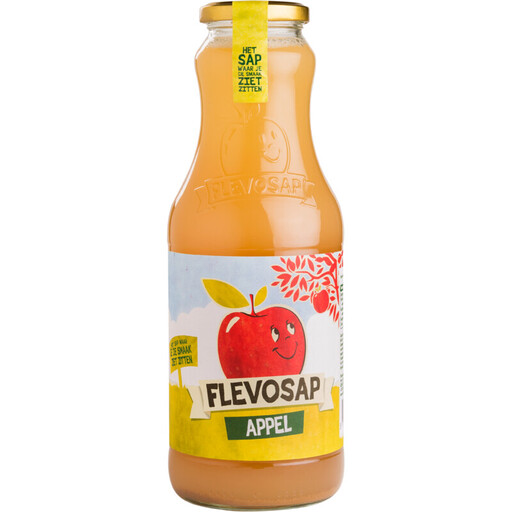
Why it suits this profile: A good option if you’re looking for cloudy apple juice with a short ingredients list and a pronounced apple flavour.
The description states that it’s 100% apple juice, lightly filtered and has no added ingredients. Use the nutritional values as your guide when comparing products.
Ingredient: 100% apple juice; 46 kcal and 10.5 g of sugar per 100 ml according to the product specification.
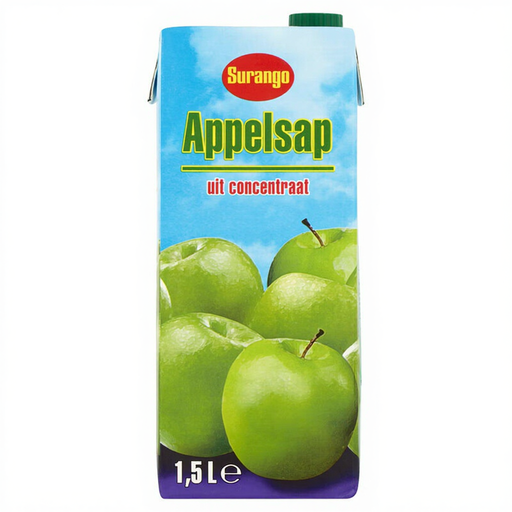
Why it suits this profile: The 1.5-litre pack is a good fit for families, when you have guests or as a base for mixed drinks.
The specification clearly states that this is apple juice from concentrate. This means it’s easy to distinguish from cloudy, freshly pressed juice.
1.5-litre pack; suitable for drinking or mixing; 21.2 g of carbohydrates per 100 ml according to the product information.
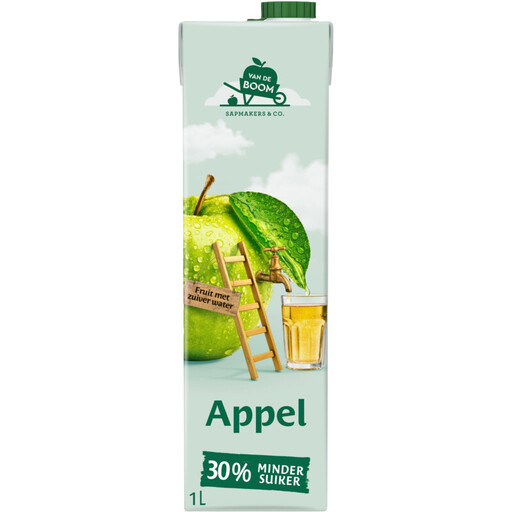
Why it suits this profile: According to the product specification, this fruit drink contains 70% fruit and 6.7 g of sugar per 100 ml, making it a good option if you don’t need 100% juice.
The fruit content and the presence of water are clearly stated. You can see that this is an apple fruit drink, not 100% apple juice.
70% fruit; 29 kcal and 6.7 g of sugar per 100 ml; no added sugar according to the information provided.
We’ve put together a full, up-to-date list of products that meet these strict selection criteria and the applicable European safety regulations.
No. Apples naturally contain sugar. So check the nutritional values per 100 ml, rather than relying only on the wording on the front of the pack.
Cloudy apple juice is usually filtered less and may contain natural fruit particles. Clear apple juice is filtered more thoroughly. The difference is mainly in appearance, texture and taste; always check the ingredients too.
A 1.5-litre apple juice pack is handy when several people will be drinking it. For occasional use or a smaller household, a 1-litre pack can help reduce waste. Keep opened juice refrigerated and follow the time limit on the label.
