
Vandaag of morgen in huis

Kwaliteit gegarandeerd

Welkomstaanbiedingen ontgrendelen: GRATIS bezorging | Tot 80% korting | Gratis 30 dagen JoyPlus-proefperiode
Download de app
A bottle of apple juice might seem simple to choose, but there are significant differences between 100% apple juice, apple juice drinks and low-calorie apple drinks. The label may feature bold claims such as “pure”, “natural” or “no added sugar”, even though the product may still contain water, flavourings or sweeteners.
So pay particular attention to the ingredients list, fruit content and nutritional information. This will help you avoid paying for a product that doesn’t suit your household, taste or everyday needs.
In 100% apple juice, the sugar comes naturally from the apples. So a product can be apple juice with no added sugar and still contain around 9 to 11 grams of sugar per 100 millilitres. Don’t just look at the front of the pack; check the nutrition table too.
An apple juice drink may contain less sugar and fewer calories per 100 millilitres because water has been added. That doesn’t automatically make it better or worse; it simply means you’re buying a different product.
Check the fruit percentage. 100% apple juice consists entirely of apple juice according to the ingredients list, although it may be made from concentrate. A fruit drink might contain 70% fruit, for example, with the rest made up of water, lemon, flavourings or other ingredients.
“Apple juice” isn’t a fixed legal product category either. The ingredients list and stated fruit percentage give you a clearer idea of what’s in the bottle.
Cloudy apple juice is lightly filtered or not fully clear. This means you may see natural particles or sediment. That doesn’t necessarily mean it has gone off, but always check the best-before date, seal and storage instructions on the packaging.
Naturally cloudy juice may taste and feel different from clear juice. Only shake it if the packaging advises you to.
First, choose between:
Always compare products using the same quantity. In the product information provided, sugar content ranges from around 5.7 grams to 20.4 grams per 100 millilitres. That’s a bigger difference than the front of the packaging might suggest.
For example, Van De Boom lists 6.7 grams of sugar and 29 kcal per 100 millilitres. Flevosap lists 10.5 grams of sugar and 46 kcal per 100 millilitres. Surango lists 20.4 grams of sugar and 88 kcal per 100 millilitres. Check the current packaging when you buy, as product ingredients can change.
A 1-litre bottle of apple juice is practical for a smaller household or if you want to use it within a few days of opening. A 1.5-litre pack of apple juice is more convenient for families, but takes up more space in the fridge.
According to the product information, apple juice should be kept chilled after opening. Check the closure and the stated time limit for use after opening too. There’s little point buying a large bottle if you only drink juice occasionally; a smaller pack may help reduce waste.
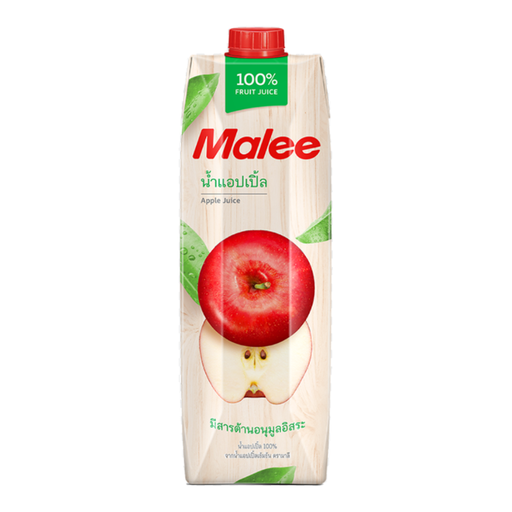
Why it suits this profile: A handy 1-litre pack for everyday use, without having to stock up on a large quantity.
The ingredients list states that it contains apple juice from concentrate and no added sugar, so you can check what type of product it is rather than relying on the marketing copy alone.
1-litre pack; 9.8 grams of sugar per 100 millilitres according to the product information; no artificial flavourings or preservatives listed.
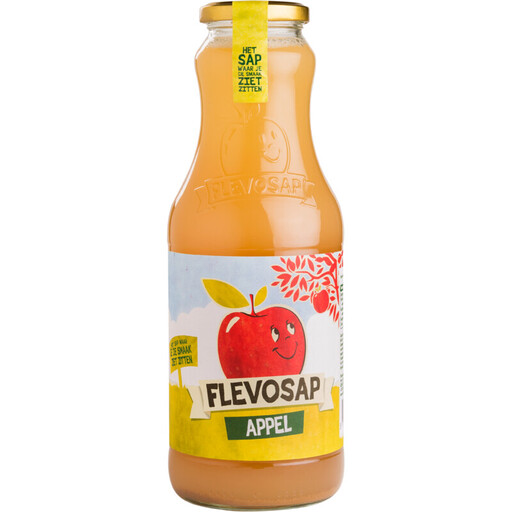
Why it suits this profile: For anyone who prefers a naturally cloudy appearance and a pronounced apple flavour to completely clear juice.
The product information states that this is 100% apple juice, lightly filtered and with no added ingredients. This makes it easier to see what you’re buying than with a mixed fruit drink.
100% apple; 46 kcal and 10.5 grams of sugar per 100 millilitres; pasteurised and with no added ingredients according to the product details.
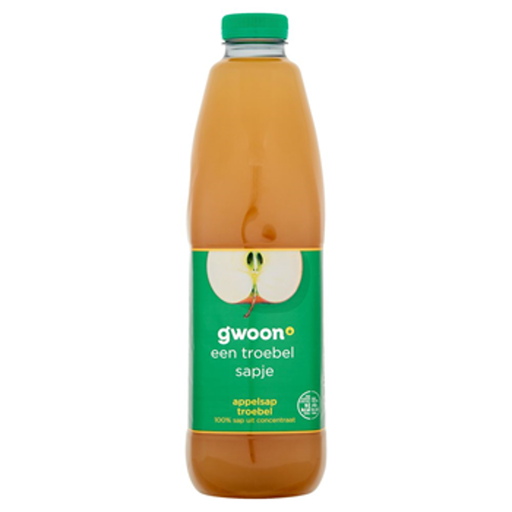
Why it suits this profile: A 1.5-litre pack for families, shared meals or regular use.
The label states that it contains apple juice from concentrate and no added sugar. This makes it easy to check how it differs from an apple juice drink.
1.5-litre pack; 9.8 grams of sugar and 188 kJ per 100 millilitres according to the product information; no artificial flavourings listed.
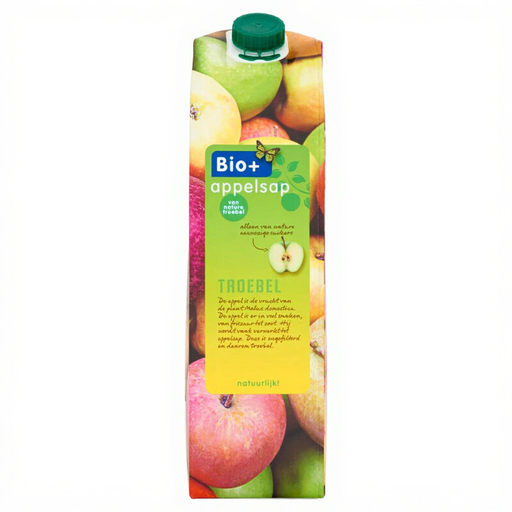
Why it suits this profile: For shoppers specifically looking for organic apple juice in a compact pack.
The product information states that this is organic apple juice with just one ingredient: apple juice. When it arrives, check the current organic labelling on the packaging.
1-litre pack; 44 kcal and 9.2 grams of sugar per 100 millilitres; none of the 14 main EU allergens listed.
We’ve put together a complete, up-to-date list of products that meet these strict selection criteria and the applicable European safety regulations.
No. 100% apple juice tells you the fruit percentage. “No added sugar” means that no extra sugar has been added, according to the ingredients list. 100% apple juice still contains natural sugars from apples.
With juice from concentrate, water has first been removed from the juice and later added back. Not-from-concentrate juice isn’t made this way. Both terms describe a production method; when choosing, focus on the fruit percentage, ingredients and nutritional information.
Always follow the instructions on the packaging. The product information for the varieties mentioned states that the juice should be kept chilled after opening and used within the stated period. Close the bottle securely, and don’t use a product if its seal was damaged before opening.
