
Vandaag of morgen in huis

Kwaliteit gegarandeerd

Welkomstaanbiedingen ontgrendelen: GRATIS bezorging | Tot 80% korting | Gratis 30 dagen JoyPlus-proefperiode
Download de app
As a Joybuy Product Recommendation Officer, I'm here to help you navigate the overwhelming number of options. Buying apple juice might seem simple, but the shelves are lined with cartons that are more different than you might think. The wrong choice doesn't just mean you're overpaying; it could mean you're drinking something entirely different than you intended. Let's look at the most common pitfalls.
The biggest misunderstandings arise from unclear labels. You think you're buying pure apple juice, but you come home with an apple fruit drink that consists mainly of water and sugar. Another common pitfall is the "no added sugar" label. This sounds good, but it says nothing about the total amount of sugar in the product. A juice can still be a sugar bomb, purely from its naturally occurring fruit sugars.
To avoid coming home with the wrong carton of apple juice, there are a few specifications you should always check. These are usually printed in small type on the packaging, but they make a huge difference.
The designation on the carton is legally defined and tells you exactly what you're buying. It's the most important indicator of quality.
When you're looking for apple juice with no added sugar, it's crucial to look beyond that claim.
The organic apple juice label indicates that the apples were grown without chemical pesticides and synthetic fertilisers. This is a choice that depends on your personal preference and budget. Brands like Bio+ offer this option, where the ingredients list is often very short: pure organic apple juice.
Based on these criteria, we've selected a few products that suit different households and preferences.
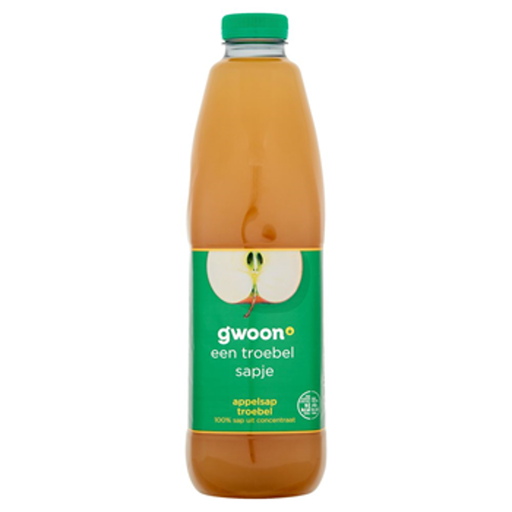
Why This Fits Their Persona: Ideal for daily use in a busy household. The large 1.5-litre package offers great value for money and ensures there's always enough on hand for breakfast or as a thirst quencher.
This product is clearly labelled as "Apple Juice from Concentrate". It doesn't pretend to be anything else. You know exactly what you're buying: an affordable and straightforward 100% juice.
Large 1.5-litre bottle, ideal for families. Contains no added sugars, only those from the fruit itself.
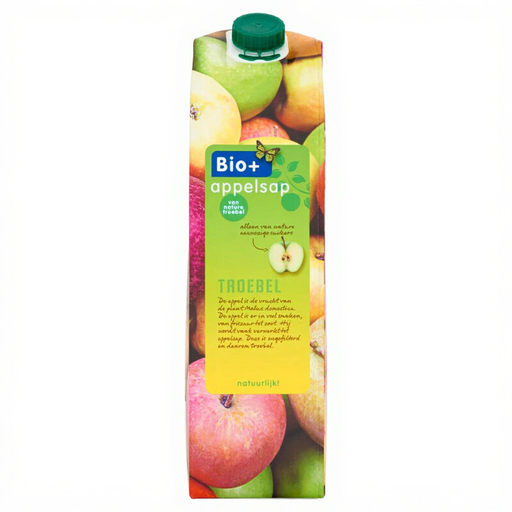
Why This Fits Their Persona: For those who consciously choose organic and want the purest product possible. This person reads labels and avoids unnecessary additives and pesticides.
The ingredients list is as short as it gets: "apple juice. Organic." This leaves no room for confusion. It's exactly what it promises: pure, organic apple juice with no additives.
Certified organic, which means the apples were grown without chemical pesticides. Contains 0 grams of salt and no fat.
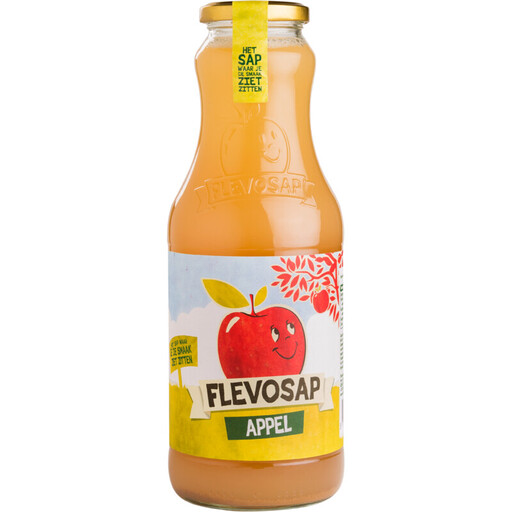
Why This Fits Their Persona: This drinker is looking for an authentic taste experience. The cloudy, lightly filtered nature of the juice is appealing, as is the brand's story and the use of specific apple varieties like the Elstar.
Flevosap is transparent about its process: 100% juice, lightly filtered, and with no additives. It positions itself as a quality product, and the product information supports that claim without being misleading.
Naturally cloudy juice, which the brand claims helps retain flavour. Made from a blend with the Elstar apple for a fresh, unique taste.
We've compiled a complete, up-to-date list of products that meet these selection criteria and local regulations.
The main difference is the percentage of fruit. Apple juice must consist of 100% juice (possibly from concentrate). An apple fruit drink contains significantly less juice and is supplemented with water, sugars, and/or sweeteners and flavourings. Always check the name on the carton to know what you're buying.
Not necessarily. While it's better to avoid added sugars, 100% pure apple juice is naturally high in fruit sugars. A 200 ml glass can easily contain 20 grams of sugar. If you want to limit your sugar intake, you can opt for a juice that is diluted with water, like Van De Boom, or dilute the juice yourself.
Most manufacturers recommend storing an opened carton of apple juice in the refrigerator (at a maximum of 7°C / 45°F) and consuming it within 3 to 5 days. Because many pure juices contain no preservatives, the quality can deteriorate quickly after opening. The exact shelf life is always stated on the packaging.
