
Vandaag of morgen in huis

Kwaliteit gegarandeerd

Welkomstaanbiedingen ontgrendelen: GRATIS bezorging | Tot 80% korting | Gratis 30 dagen JoyPlus-proefperiode
Download de app
Looking to buy apple drinks online, but not sure whether to choose apple juice, a sparkling apple drink, an apple and peach drink or a Korean apple drink? Products vary widely in fruit juice content, sugar levels, packaging and portion size. So an eye-catching label doesn’t always tell you exactly what you’re buying.
Watch out for these three common pitfalls:
First, distinguish between these categories:
For a mixed flavour, such as an apple and peach drink, it’s worth checking which fruit makes up the largest proportion. For example, DubbelFrisss Apple Peach contains 15% fruit juice, of which 14% is apple and 1.1% is peach. This gives you a clearer picture than the flavour name on the front alone.
Always compare products on the same basis: per 100 ml. In particular, check the:
For example, a product with fewer calories may contain sweeteners. That’s not a problem if you’re choosing them knowingly, but it’s a difference you should be aware of. So the ingredients list is just as important as the nutritional information table.
According to the product information, Chupa Chups Sour Green Apple contains 1% apple juice from concentrate. The drink is carbonated and contains 44 kcal and 11 grams of sugar per 100 ml. This makes it quite different from a 1.5-litre bottle of apple juice.
A 1.5-litre bottle is a good choice for a household where the drink will be enjoyed on several occasions. Once opened, the bottle should be kept refrigerated and consumed within the stated period, according to the product information.
A multipack of small cans or bottles is more convenient for parties, lunches or controlled portions. Just remember to check the total volume. A multipack of apple drinks containing 24 cans may be practical, but it takes up more storage space than a few bottles.
Smaller packs, such as 200 to 345 ml, are easy to take with you when you’re out and about. If you’re choosing glass bottles, also check that the packaging suits how and where you plan to store and use them.
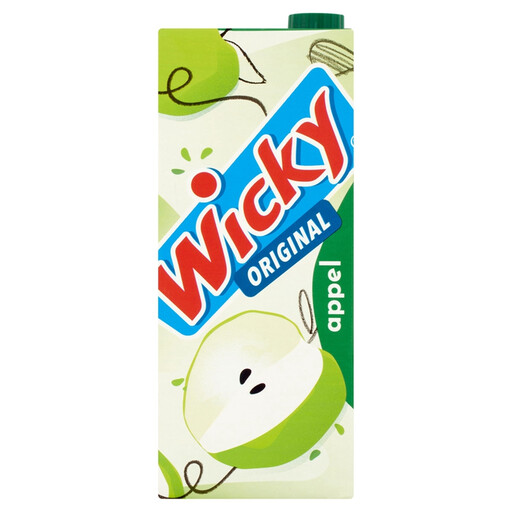
Why it suits this profile: A generous bottle for households looking for an easy-drinking apple drink to enjoy on several occasions.
The product information clearly states that it contains 10% apple concentrate and comes in a 1.5-litre bottle. This makes it easier to compare the ingredients without relying on the front of the pack alone.
1.5-litre capacity, 24 kcal per 100 ml according to the product information, and suitable for serving chilled.
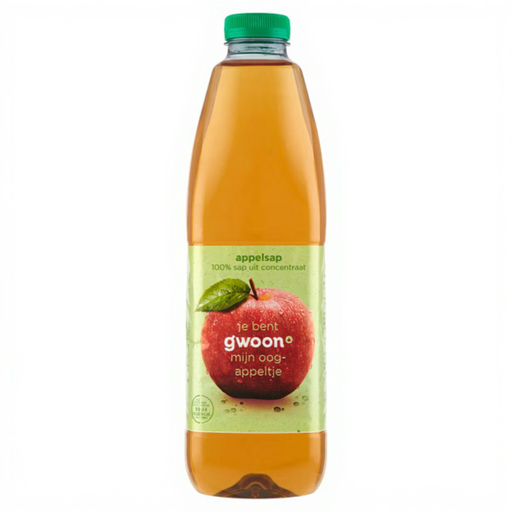
Why it suits this profile: A good choice if you value a straightforward ingredients list and a clear juice base over carbonation or extra fruit flavours.
According to the product information, this product is made from apple juice from concentrate. No carbonation, fruit flavours or mixed fruit varieties are listed.
1.5-litre capacity and a short ingredients list, with apple juice from concentrate as its base.
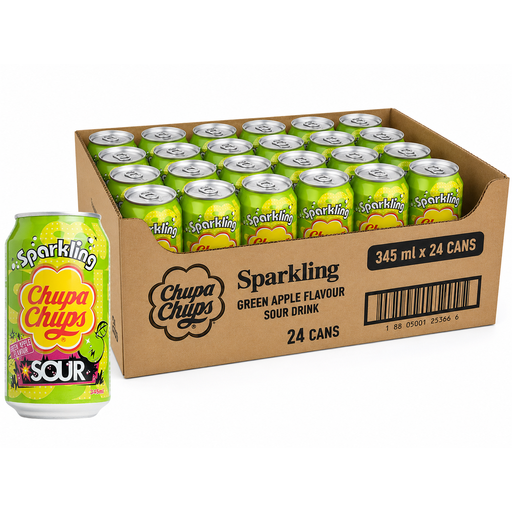
Why it suits this profile: A multipack for parties or the pantry, and a great choice for fans of a sweet-and-sour, fizzy green apple flavour.
It’s clearly a sparkling soft drink, not pure apple juice. The pack contains 24 cans of 345 ml, so you know the portion size in advance.
24 × 345 ml, 1% apple juice from concentrate according to the description, and a distinctive Sour Green Apple flavour.
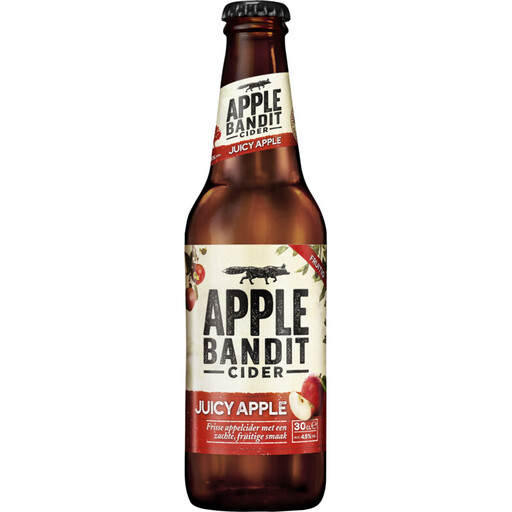
Why it suits this profile: For adults looking for a chilled apple cider in an individual bottle.
The product information states that it contains 4.5% alcohol. Always check this before buying and drinking: this isn’t an ordinary soft drink.
30 cl bottle, 25% apple juice from concentrate according to the description, and an alcoholic cider style.
We’ve put together a complete, up-to-date list of products that meet these strict selection criteria and the applicable European safety regulations.
Apple juice consists mainly of juice, often from concentrate. An apple drink usually contains water, a lower proportion of apple, sugar or sweeteners, and sometimes flavourings or carbonation. So always check the ingredients list and the percentage of fruit juice.
That depends on the price per litre and the amount in each pack. Divide the total price by the total number of litres. A multipack is particularly handy when you need several portions, but it isn’t automatically cheaper than a 1.5-litre bottle.
Store opened bottles according to the instructions on the label, usually chilled and tightly sealed. For cans, bear the portion size in mind: they lose their fizz quickly once opened. Always check the best-before information on the packaging.
