
Cooking a large batch
If you’re making a lot of compote at once, compare the weight of the batch with the stated freezing capacity in kg per 24 hours. Also check that all the sealed portions will fit in the freezer.


Choose a freezer to suit the amount of compote you want to freeze at once and the space you have available. A compact under-counter model may be enough for a small quantity in individual portions, while a larger batch means paying attention to the freezing capacity in kg per 24 hours. Also check whether the appliance can be set to −18 °C, compare its annual energy consumption and consider whether you’ll continue using it after the community meal. The Netherlands Nutrition Centre (Voedingscentrum) advises cooling hot food first, then refrigerating or freezing it within 2 hours. A freezer doesn’t replace this step.
If you’re making a lot of compote at once, compare the weight of the batch with the stated freezing capacity in kg per 24 hours. Also check that all the sealed portions will fit in the freezer.
If you want to find individual portions easily without making room for a large freezer, check the external dimensions and whether you’d prefer drawers or a chest-style layout.
If you’ll keep using the freezer after the community meal, compare its capacity and annual energy consumption, and factor defrosting into your decision.
Suitable for: a small amount of compote in individual containers, when space is limited.
Bear in mind: Inventum states that the VR550 has a freezing capacity of 4 kg per 24 hours; compare this with the weight of your batch.
Suitable for: anyone who prefers a chest-style layout and has enough floor space and room to open the lid.
Bear in mind: Items at the bottom are less easy to reach than portions in drawers. Static cooling may mean you need to defrost it.
Suitable for: anyone who regularly freezes other foods as well as compote and has room for a tall appliance.
Bear in mind: Extra capacity isn’t necessarily needed for a single meal. Compare the external dimensions and annual energy consumption of the exact model.
For this community meal, your choice will depend mainly on the size of the batch, the space available and whether you’ll keep using the freezer afterwards.
| What to consider | What to look for | Who it matters to |
|---|---|---|
| Freezing a whole batch at once | Compare the freezing capacity in kg per 24 hours with the weight of the batch. Also check the capacity and storage temperature. | If I’m freezing a lot of compote in one day, I want to know whether the model can handle the batch and whether the containers will fit. Around 36% of consumers prioritise freezing capacity when making this choice. |
| Space and organisation | Check the external dimensions, the space needed for the door or lid to open, and whether you’d prefer drawers or a chest-style layout. | When space is limited, I want to be able to find portions easily without installing a large appliance. Around 29% of consumers prioritise a suitable size and easy organisation. |
| Energy use after the community meal | Compare the annual energy consumption in kWh and the freezer capacity of the exact model. | If I’m going to keep using the freezer afterwards, I want to weigh up its energy use against the space available. Around 21% of consumers say how they’ll use it after the meal is their main consideration. |
| Positioning and maintenance | Check the permitted ambient temperature range and whether the model uses static cooling or has No Frost. | If I want to put it in a garage or shed, I need to know whether the model can be kept there and how much defrosting it will need. Around 14% of consumers prioritise where the freezer can be placed and the maintenance required. |
Capacity doesn’t tell you how much fresh food a model can freeze in 24 hours. If you’re putting a batch of compote in the freezer in one day, the stated freezing capacity matters too.
Estimate the weight of the compote and compare it with the freezing capacity of the exact model. Divide the compote into small portions.
Extra capacity may be unnecessary if you won’t use the appliance for other foods after the community meal.
First decide whether you’ll keep using the freezer afterwards. Then compare the capacity and annual energy consumption in kWh of models that meet your needs.
A freezer kept in a garage or shed needs to be suitable for the ambient temperature there. You’ll also need enough room to open the door or lid.
Check the manual for the exact model and measure the space available, including the clearance needed to open it.
The VR550 is an example of an under-counter freezer with drawers for storing individual portions.
The CF100EWN is an example of a compact chest freezer as an alternative to an under-counter model with drawers.
The GSN33VLEP is an example of a tall freestanding freezer for uses beyond a single meal.
The FNd 525i is an example of a larger No Frost freezer for regular food storage.
This selection of Joybuy products includes under-counter models, chest freezers and freestanding upright freezers in a range of sizes and layouts.
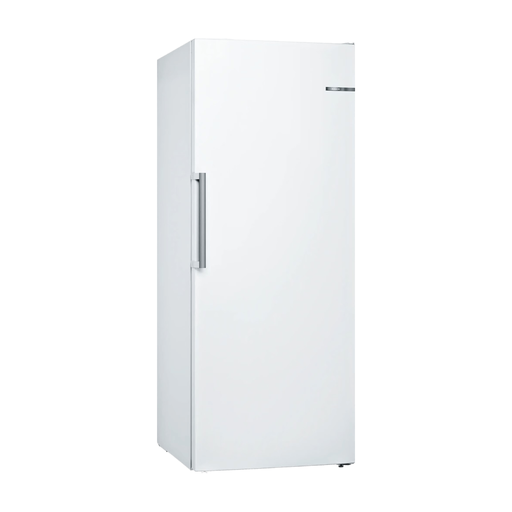 No image available
Worth considering if you regularly need freezer space for foods as well as compote.
The product name lists a capacity of 328 litres, energy class C and a white finish.
Compare the freezing capacity of this exact model with the weight of your batch.
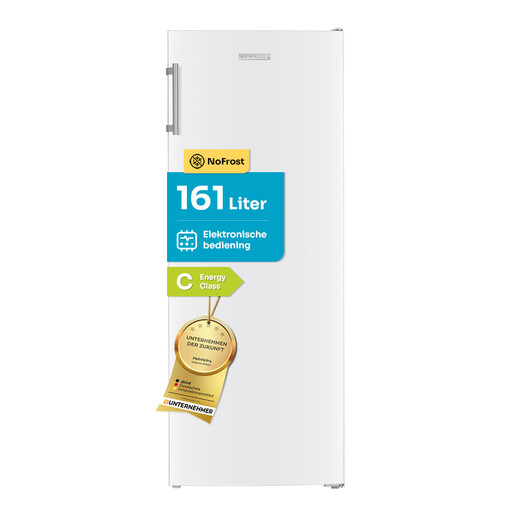 No image available
An option if you want to store portions separately and set the temperature to suit freezing.
The product name lists a capacity of 161 litres, No Frost, energy class C and a temperature range of −14 °C to −22 °C.
Check that you can set the temperature to −18 °C for use.
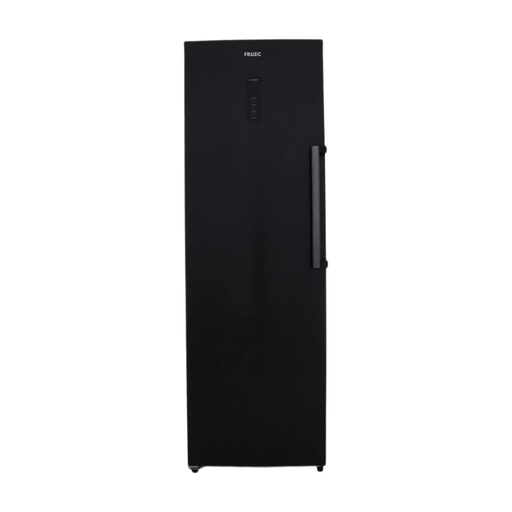 No image available
Worth considering if you’re freezing a larger batch and will continue to use the freezer after the community meal.
The product name lists a capacity of 274 litres, No Frost, energy class C, a digital display and a Dark Inox finish.
Compare the freezing capacity and external dimensions of this exact model with your needs.
 No image available
Worth considering if you’re looking for an under-counter freezer with separate drawers for a small amount of compote.
The product name lists a capacity of 87 litres, energy class B and a black finish.
Compare the freezing capacity of this exact model with the weight of your batch.
 No image available
An option if you prefer a chest-style layout and have enough room to open the lid.
The product name lists a capacity of 95 litres, energy class E and a convertible fridge and freezer function.
Check that the layout will make it easy to find your sealed portions.
Refrigerate or freeze freshly made compote within 2 hours of cooking. Cool it quickly first, divide it into small portions if needed and use clean, airtight containers. Set the freezer to −18 °C.
Ideally, defrost the portions covered in the fridge, allowing enough time for them to thaw. The Netherlands Nutrition Centre (Voedingscentrum) advises against refreezing leftovers that have already been frozen and reheated for eating later.
Compare the annual energy consumption in kWh on the energy label. The cost in euros depends on your own electricity tariff. According to the Government of the Netherlands, if a product is faulty, the retailer is responsible for statutory guarantees, even if the manufacturer also offers its own guarantee.
This depends, among other things, on whether food is being sold and how often. The Netherlands Food and Consumer Product Safety Authority (NVWA) states that food safety rules apply when selling at markets and events, including for private sellers. Anyone who prepares and sells food several times a year must use a HACCP food safety plan. Don’t automatically apply these requirements to a one-off, non-commercial meal.