
Vandaag of morgen in huis

Kwaliteit gegarandeerd

Welkomstaanbiedingen ontgrendelen: GRATIS bezorging | Tot 80% korting | Gratis 30 dagen JoyPlus-proefperiode
Download de app
Apple cider vinegar is popular in British kitchens for its fresh, tangy taste. You might use it in a dressing, marinade, sauce or drink. Yet many bottles look similar, while the composition, content and flavour can differ. If you simply buy apple cider vinegar without thinking, you could run into a few practical pitfalls.
In this buying guide, you’ll learn how to compare apple cider vinegar, which information on the label matters, and which type suits your needs.
The terms apple cider vinegar, apple cider vinegar and cider vinegar are often used interchangeably. That doesn’t automatically mean every product is made the same way. So always check the ingredients list.
If it says only “apple cider vinegar” or “cider vinegar”, the product is relatively simple in composition. Other products may contain water, apple concentrate, food acids or antioxidants. This can affect the flavour and how you use it.
Words like natural, pure and fermented sound appealing, but always compare the concrete product information. According to the product description from Sera, Sera Apple Vinegar is made from fermented apple juice and contains no artificial colours, flavourings or preservatives. Other products may have a different ingredients list.
A marketing term doesn’t replace checking:
A 1-litre bottle might seem appealing if you cook often, but apple cider vinegar that’s rarely used can sit in the cupboard for ages. Look at your actual consumption. For a few dressings a month, apple cider vinegar 500 ml can be a practical middle ground. A 250 ml bottle is better for occasional use or if you want to try a flavour first.
For a simple, fruity base, look for products where apple cider vinegar or fermented apple juice is clearly listed as the main ingredient. Tromp & Rueb states that apple varieties are first fermented into cider and then undergo a second fermentation. The product description lists apple cider vinegar as an ingredient.
For Sempio Apple Vinegar, the composition according to the product information includes purified water, natural vinegar, apple extract and acetic acid. Ottogi lists water, apple concentrate, fermentation alcohol and a few additives. These products may therefore taste different from a vinegar that is listed solely as apple cider vinegar.
A tangy apple cider vinegar works well in:
For a drink, it’s important to follow the instructions on the packaging. Do not drink apple cider vinegar undiluted. It is an acidic food and is primarily intended as an ingredient. Product descriptions may sometimes mention use for “health” or a healthy lifestyle, but this is not a proven medical effect and does not replace professional advice.
Pay attention to the content and packaging material. A glass bottle can be handy for kitchen use, while a PET bottle is lighter. Tromp & Rueb states a bottle made from recycled PET. The content is 750 ml.
Store an opened bottle according to the label. Many product listings recommend a cool, dry place away from direct sunlight and a tightly closed lid. For some varieties, refrigeration is required after opening. Always check the packaging, especially when product information varies by brand.
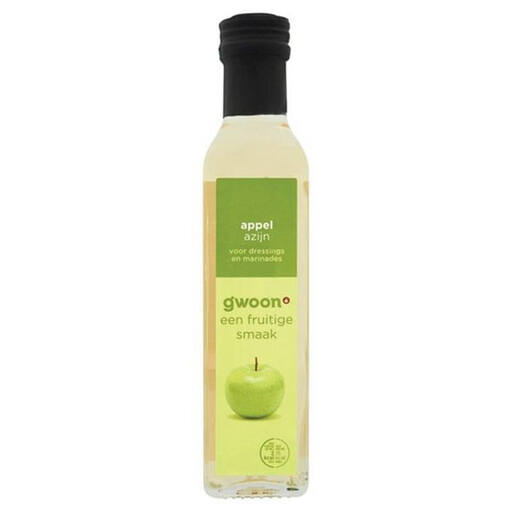
Why this fits the profile: The 250 ml content is suitable if you want to try apple cider vinegar first or only make a dressing and marinade occasionally.
The smaller bottle limits waste from unused product. According to the product information, the vinegar contains no artificial colours, flavourings or preservatives.
250 ml content; according to the label, made from fermented apple juice; suitable for dressings, marinades and everyday cooking.
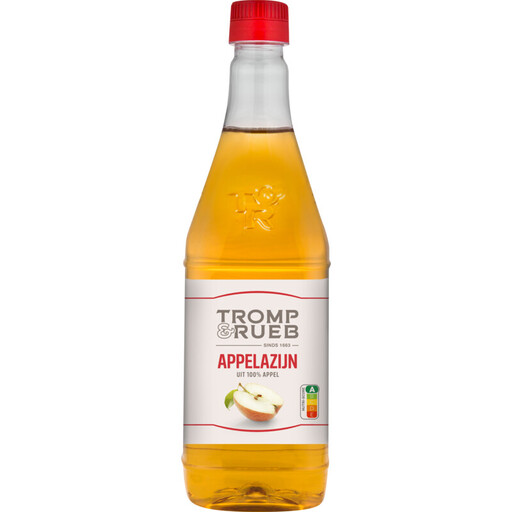
Why this fits the profile: A 750 ml bottle suits home cooks who regularly make vinaigrettes, marinades and sauces and want a fruity flavour.
The product description explains the fermentation process rather than just using general terms like natural. The ingredients list states apple cider vinegar.
750 ml content; according to the product information, a second fermentation step; bottle made from recycled PET.
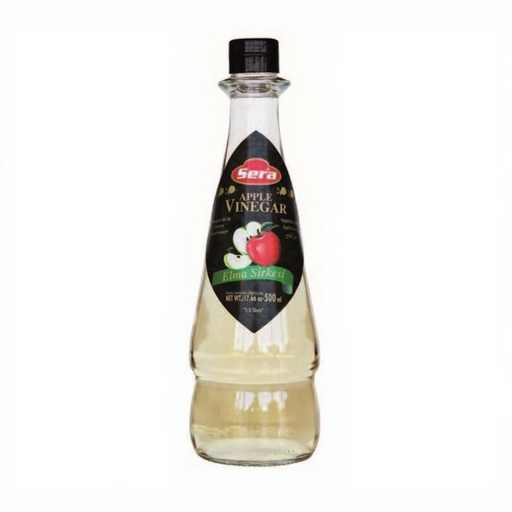
Why this fits the profile: The 500 ml bottle is practical for regular use in Turkish, Mediterranean and everyday recipes.
The product information states the origin as Turkish and specifies fermented apple juice as an ingredient. It also mentions no artificial colours, flavourings or preservatives.
500 ml content; suitable for salad dressings, marinades and drinks; ingredients list states apple cider vinegar from fermented apple juice.
We’ve put together a full, up-to-date list of products that fully meet these strict selection criteria and comply with current European safety regulations.
Mostly, both terms refer to vinegar made from apples or apple cider. The exact composition can vary. So always check the ingredients list and see whether the product contains, for example, apple cider vinegar, apple concentrate, water or extra food acids.
Store the bottle according to the label, tightly closed and away from direct sunlight. Some varieties need to be kept in the fridge after opening. Use the stated shelf life and check that the lid and seal are intact.
A fruity, tangy variety such as Sera Apple Vinegar, g’woon Apple Cider Vinegar or Tromp & Rueb Apple Vinegar can be used for dressings and marinades. Choose the content based on your consumption: 250 ml for occasional use, 500 ml or more when apple cider vinegar is a regular feature on your menu.
