
Vandaag of morgen in huis

Kwaliteit gegarandeerd

Welkomstaanbiedingen ontgrendelen: GRATIS bezorging | Tot 80% korting | Gratis 30 dagen JoyPlus-proefperiode
Download de app
Buying an anti-wrinkle facial cream may seem straightforward, but product packaging often uses terms such as “lifting”, “collagen” and “instant effect” without making it clear what you are actually getting. You may therefore end up paying mainly for a promise, while the cream is not suited to your skin type or daily routine.
Pay particular attention to these three common pitfalls:
A facial cream for mature skin does not need to address every skin concern at once. Start by deciding what matters most to you:
Claims about visible improvement come from product information or, where stated, the brand’s own research. Treat them as information about the product rather than a guaranteed result.
With a retinol cream, the concentration is important. A lower concentration, such as 0.1%, may be a sensible starting point for someone who has not used retinol before. According to the product description, The Retinol 0.1 Cream is positioned for beginners and contains 0.1% retinol.
A product containing 0.3% retinol, such as The Retinol 0.3 Cream, is a different option. Follow the advice by starting with small amounts and not using it every evening. Use retinol only as stated on the packaging, avoid the eye and lip area, and do not combine it casually with other retinol, AHA or BHA products.
A patch test is advisable, especially with a cream for sensitive skin. Stop using the product if you experience a burning sensation, itching, swelling or persistent redness. If you are unsure about using retinol during pregnancy or while breastfeeding, seek medical advice.
A 50 ml jar and a 20 ml tube cannot be compared directly on price alone. Calculate the price per 10 ml and consider how much product you need per application. A pump dispenser can also reduce contact with your fingers, while a jar requires a spatula or clean hands.
For daytime use, an SPF 30 day cream is practical, but check that the SPF is actually stated on the packaging and whether reapplication is required. For prolonged sun exposure, a separate sunscreen is often more convenient.
The selection below is based on the stated ingredients, size, SPF, skin type and usage instructions. These are not universal solutions: the right choice depends on your skin and the rest of your routine.
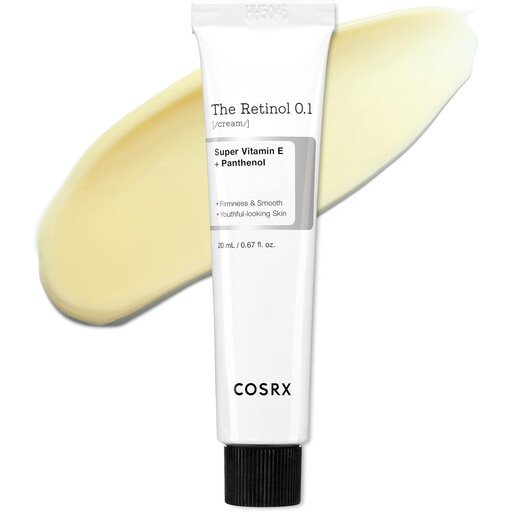
Why it suits this profile: The 20 ml packaging and 0.1% retinol make this cream suitable for anyone who wants to ease themselves into using retinol without immediately buying a larger size.
The product description gives a specific concentration and recommends using it no more than a few times a week to begin with.
0.1% retinol, 20 ml contents and panthenol according to the ingredients list.
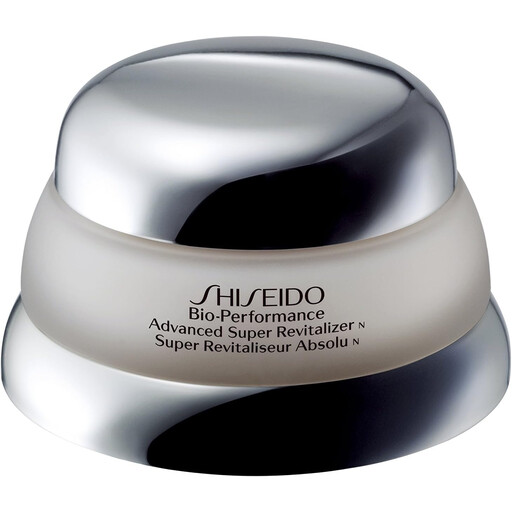
Why it suits this profile: If you are looking for a more luxurious routine and a larger pack size, this 50 ml cream from a premium skincare range could be a good fit.
Compare the price per ml and check the current ingredients list on the packaging rather than relying solely on its luxury positioning.
50 ml contents; the product page describes it as a regenerating facial skincare cream.
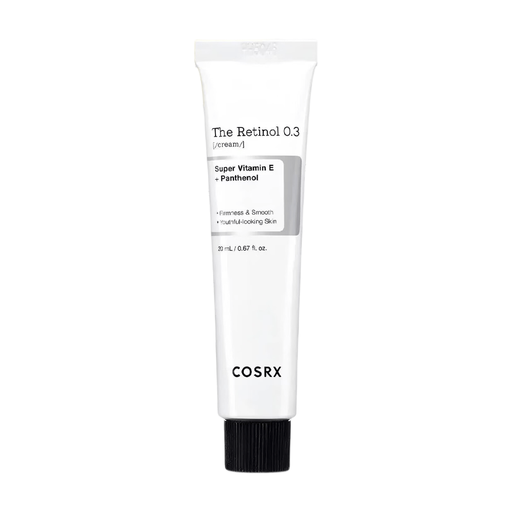
Why it suits this profile: For users who already have experience with retinol and are looking for a formula with 0.3% retinol for their evening routine.
The product information includes clear warnings: do not combine it with other retinol, AHA or BHA products, and use SPF during the day.
0.3% retinol, 20 ml contents, panthenol and several forms of hyaluronic acid according to the ingredients list.
Not everyone benefits from retinol or acids. A hydrating facial cream containing barrier-supporting ingredients may provide a better everyday base.
“Korean skincare” is not a quality standard in itself. For every product, look at the ingredients, concentration, packaging, skin type and safety information. The same applies to a collagen cream: check what the ingredient does in the formula and which claims are actually supported by the brand.
We have put together a complete, up-to-date list of products that fully meet these strict selection criteria and the applicable European safety regulations.
Apply the cream to cleansed skin and follow the instructions on the packaging. If you are using retinol, start with a small amount and use it infrequently. A day cream is generally used in the morning, while a retinol cream is usually applied in the evening. Use sun protection during the day when recommended.
Check the expiry date and the open-jar symbol indicating the period after opening on the packaging. Keep the cream closed, dry and out of direct sunlight. Retinol products require extra care when it comes to heat and light. If the smell, colour or texture changes noticeably, stop using the product.
No. Compare the ingredients, concentrations, contents and usage advice. An affordable cream with a simple hydrating formula may suit dry or sensitive skin better than an expensive product containing lots of active ingredients. Choose based on verifiable product specifications and your everyday use, not solely on marketing claims.
