
Vandaag of morgen in huis

Kwaliteit gegarandeerd

Welkomstaanbiedingen ontgrendelen: GRATIS bezorging | Tot 80% korting | Gratis 30 dagen JoyPlus-proefperiode
Download de app
Many people look for an antiperspirant deodorant because an ordinary deodorant is not enough to help with sweating. However, the differences between products are greater than the packaging might suggest. One formula focuses mainly on body odour, while another is designed as a deodorant for sweaty skin. The format, fragrance, drying time and ingredients also determine how well a product fits into your daily routine.
Packaging often displays claims such as 48-hour protection, 72-hour protection or even 96-hour protection. These are brand claims based on specific conditions of use. According to the relevant brand’s product description, this does not mean that one application will keep you dry and fresh for exactly that entire period in all circumstances.
Warm weather, exercise, stress, clothing and your individual level of perspiration all affect the result. So do not just look for the highest number of hours. Also check the directions for use and the ingredients.
A deodorant roller applies liquid directly to the underarm skin and is often compact. A deodorant stick generally feels dry when applied. A deodorant spray spreads quickly, but should be used in a well-ventilated area and must not be inhaled. Creams and cream sticks are worth considering if you want targeted application, but they may feel different on the skin or take longer to dry.
An alcohol-free deodorant contains no ethyl alcohol, but may still contain perfume or fragrance allergens. If you have sensitive skin, always check the ingredients list. Products labelled “dermatologically tested” provide information about a skin-tolerance test, but do not guarantee that every user will avoid a reaction.
Do not use antiperspirant on damaged or irritated skin. Stop using it if your skin becomes red or itchy or if you develop a rash, and follow the safety information on the packaging.
An antiperspirant generally contains aluminium salts, such as aluminium chlorohydrate or an aluminium-zirconium compound. According to the product description, these are used in formulas that help reduce perspiration. A deodorant for body odour focuses mainly on odour, for example through fragrances or ingredients that help neutralise smells.
If damp patches are your main concern, look specifically for “anti-perspirant” or “antiperspirant”. If you simply want a fresh fragrance, an ordinary deodorant may be enough.
A formula with 0% alcohol can be a good choice if you experience stinging or a tight feeling after application. This does not automatically mean that the product is fragrance-free. For a deodorant for sensitive skin, fragrance allergens, essential oils and the complete ingredients list are also relevant.
Fragrance-free or unperfumed is not the same as alcohol-free. According to its product description, Odorex Extra Dry Roll-on is both alcohol-free and fragrance-free. Lucovitaal Antiperspirant spray is also described as unperfumed, but its ingredients list does include alcohol.
Apply the product to clean, dry underarms and allow it to dry completely before putting on a shirt. If you are looking for a deodorant that does not leave white marks, look for “invisible”, “invisible dry” or “no white residue” in the product description. This remains a product claim; the result may vary depending on the fabric, colour and amount applied.
With sprays, distance is important. Several product descriptions recommend a distance of approximately 15 centimetres. Applying too much increases the likelihood of residue and a sticky feeling.
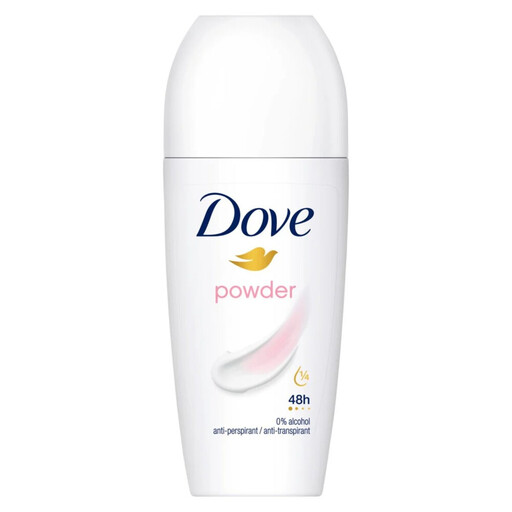
Why it suits this profile: The roller is easy to dose and suitable for everyday use. According to the product description, the formula offers 48-hour protection and contains a moisturising cream.
The roll-on makes over-application less likely than a spray that is held down for too long. Make sure you let the product dry before getting dressed.
48-hour protection according to the product description; powdery fragrance and moisturising cream.
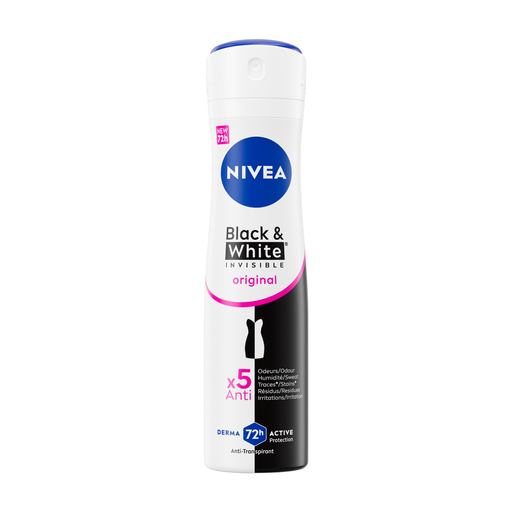
Why it suits this profile: This deodorant spray is designed for people who want sweat protection while also taking care of their clothes. According to the product description, the formula is alcohol-free and designed to prevent white and yellow marks.
The anti-stain claim addresses the common frustration of residue on black or white clothing. Spray from a distance of approximately 15 cm and allow to dry.
150 ml spray; 72-hour protection according to the product description; alcohol-free formula and anti-stain claim.
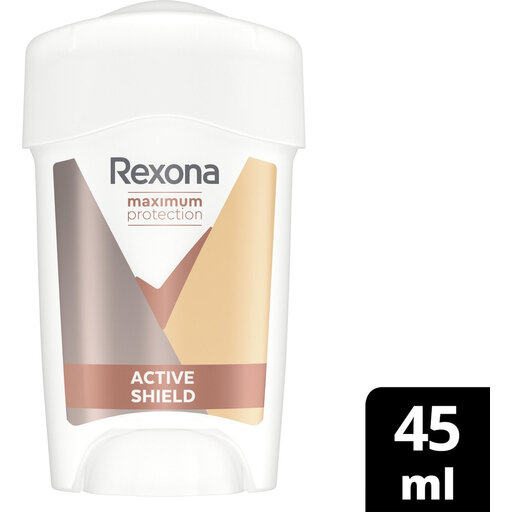
Why it suits this profile: The cream stick is aimed at people looking for a strong antiperspirant for intense activity or heavy perspiration. According to the product description, applying it before going to bed is recommended.
According to the instructions, the twist dispenser provides two clicks for the recommended amount. This helps with targeted application, but monitor your skin’s tolerance if applying it regularly.
45 ml cream stick; up to 96-hour protection according to the product description; designed for use on dry underarm skin.
We have put together a complete, up-to-date list of products that fully meet these strict selection criteria and the applicable European safety regulations.
Deodorant is mainly intended to reduce or mask body odour. An antiperspirant generally contains aluminium salts and, according to the product description, is designed to help reduce perspiration. Some products combine both functions.
The shelf life is stated on the packaging or indicated by a symbol showing the period after opening. Store the product at room temperature and away from direct sunlight. A spray must not be exposed to high temperatures. If the fragrance, colour or texture changes, check the packaging before using it again.
Look for a product explicitly labelled as an antiperspirant and check the recommended frequency of use. Rollers and cream sticks are suitable for targeted application. Lucovitaal and Odorex describe evening use and application only a few times a week. If symptoms persist or are troublesome, it is advisable to consult a doctor rather than combining increasingly stronger products.
