
Vandaag of morgen in huis

Kwaliteit gegarandeerd

Welkomstaanbiedingen ontgrendelen: GRATIS bezorging | Tot 80% korting | Gratis 30 dagen JoyPlus-proefperiode
Download de app
If you’re looking for an antioxidant supplement and serum, you’ll soon come across big promises about immune support, glowing skin and protection from external influences. But eye-catching packaging says little about whether a product is right for you. The real difference usually comes down to the ingredients list, dosage, skin type and directions for use.
This buying guide will help you choose the right antioxidant supplement, vitamin C serum or antioxidant serum without paying more for claims you can’t verify.
A product containing lots of plant extracts or active ingredients isn’t necessarily a better choice. For supplements, check how much of each active ingredient you get per capsule or daily dose. For serums, focus on the order of the ingredients, the skin types it’s designed for and its shelf life after opening.
With a patented blend, the amount of each individual ingredient may not always be listed. This can make it harder to compare products.
An antioxidant supplement is no substitute for a varied diet, sleep or medical treatment. An anti-pollution serum isn’t a substitute for sun protection either. Always treat claims about how a product works as information provided by the brand, not as a guaranteed result.
According to brands’ own product information, vitamin C, vitamin E, green tea or ferulic acid may support certain skincare or nutritional goals. Your experience may vary.
Capsules, gummies, ampoules and serums all call for different routines. Take supplements according to the instructions on the label. Apply serums regularly, and remember that some need to be used within a certain period after opening. Also check for allergens, sweeteners, alcohol, fragrance and possible interactions with medicines.
For a vitamin C supplement, check the amount of vitamin C per tablet, capsule or gummy, as well as the recommended daily dose. The reference intake for adults is 80 mg of vitamin C per day, but some products contain more. More isn’t automatically necessary.
A multivitamin with vitamin C often also contains vitamin D, zinc, selenium or iron. Check that you’re not doubling up on the same nutrients across different products. If you’re pregnant or breastfeeding, taking medication or have a medical condition, it’s a good idea to speak to a doctor.
For plant-based formulas, check exactly what they contain. For example, Swanson Greens Purple Antioxidants lists 400 mg of its purple fruit and vegetable blend per capsule, but doesn’t specify the amounts of the individual ingredients.
A lightweight essence with green tea may feel comfortable on normal or combination skin. Dry or sensitive skin may benefit more from a formula with hydrating ingredients, but check for alcohol and other potential irritants too.
When choosing a vitamin C serum or antioxidant serum, check that:
An eye serum isn’t automatically suitable for use all over your face. Follow the specific instructions and avoid direct contact with your eyes.
If you’re looking for a vegan antioxidant product, don’t rely on the front of the packaging alone. Check the product details and ingredients. Vegan labelling can be relevant for both capsules and skincare.
Also consider the product size and how long it will last. A 30 ml bottle may be suitable for daily use, while ampoules may be intended as a short, intensive course. A product with 60 capsules may last one or two months, depending on the dosage.
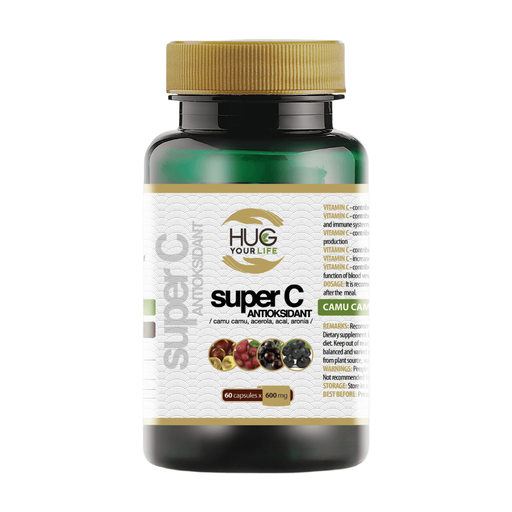
Why it suits this profile: A straightforward choice if you simply want to top up your vitamin C with a capsule and aren’t looking for a complex blend of lots of different nutrients.
The product information lists 60 capsules of 600 mg and names the acerola, camu camu, açaí and aronia fruits used. Check the label for the exact amount of vitamin C per daily serving.
Capsule format, 60 capsules and, according to the product details, alcohol-free.
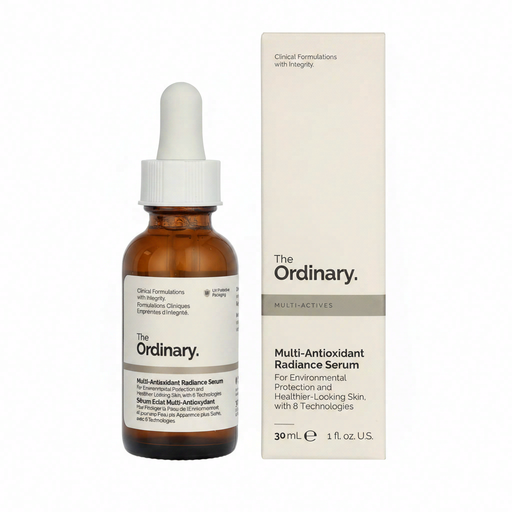
Why it suits this profile: A good fit if you want to build a daily facial skincare routine around several antioxidant ingredients and are looking for a vegan formula.
The ingredients list includes stabilised vitamin C, ginseng, EGCG, ergothioneine and tocotrienols. This makes it easier to compare the formula in detail rather than relying on the ‘multi-antioxidant’ claim alone.
30 ml, suitable for all skin types according to the product details, vegan and with a 12-month shelf life after opening.
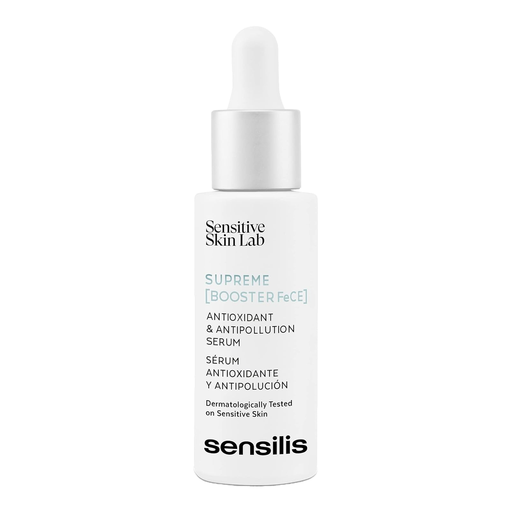
Why it suits this profile: An option if you’re looking for an antioxidant serum for normal, dry or sensitive skin that you can use both during the day and in the evening.
The formula and intended users are clearly described: vitamin C, vitamin E, ferulic acid, hyaluronic acid, argan oil and ginkgo biloba. The product information says the serum is vegan, but doesn’t state whether it’s fragrance-free, so check the label if you have sensitive skin.
30 ml, suitable for daytime and night-time use, vegan according to the product details and with a six-month shelf life after opening.
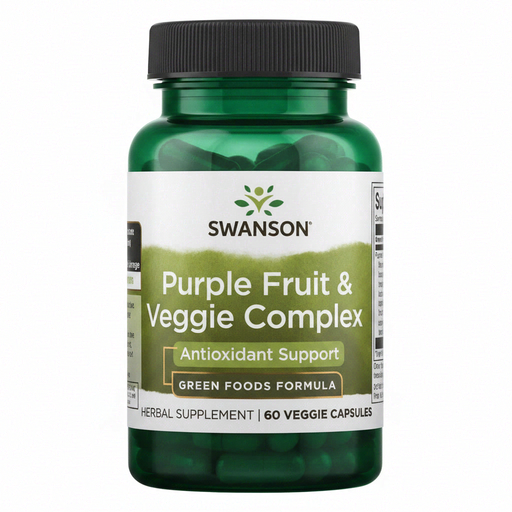
Why it suits this profile: A handy option for adults looking for a capsule with a plant-based purple fruit and vegetable blend, rather than vitamin C as the main standalone ingredient.
The amount per capsule is listed: 400 mg of the patented blend. As the individual amounts aren’t specified, this may not be the best choice if you want to compare exact quantities of each fruit.
60 plant-based capsules, vegan according to the product information, with one capsule a day as a possible starting dose.
We’ve put together a full, up-to-date list of products that meet these strict selection criteria and the applicable European safety requirements.
You take a supplement, which may contain vitamin C, vitamin E, zinc or plant extracts. A serum is applied directly to the skin, so the two aren’t interchangeable. Choose according to your goal: nutritional support or antioxidant skincare.
It depends on the amount in the bottle, how much you use each time and the shelf life after opening. The products mentioned list a shelf life of either six or twelve months after opening. Store your serum according to the label, away from direct sunlight and out of children’s reach.
Sometimes, but check the ingredients first. Don’t combine several products containing high amounts of vitamin C, zinc, iron or other nutrients without a good reason. For supplements, don’t exceed the recommended daily dose. For skincare, it’s best to introduce new active products one at a time and stop if irritation occurs.
