
Vandaag of morgen in huis

Kwaliteit gegarandeerd

Welkomstaanbiedingen ontgrendelen: GRATIS bezorging | Tot 80% korting | Gratis 30 dagen JoyPlus-proefperiode
Download de app
An antioxidant face serum may suit you if your skin looks dull, your complexion is uneven or your skin feels tight after cleansing. But a striking claim on the packaging doesn’t tell you everything. One formula may focus on hydration, while another targets dark spots, fine lines or protection from environmental factors.
As a Joybuy Product Recommendation Officer, I check product information against ingredients, when to use it, skin type and practical features. This helps you compare serums based on details you can verify, rather than marketing language alone.
Vitamin C comes in several forms. L-ascorbic acid is a direct form, while ascorbyl glucoside, 3-O-ethyl ascorbic acid and ascorbyl tetraisopalmitate are derivatives. These forms differ in stability, texture and formulation.
For example, The Ordinary says that its Ascorbyl Tetraisopalmitate Solution 20% contains an oil-soluble vitamin C derivative. According to the product description, its effects can’t be compared like for like with pure L-ascorbic acid. So don’t just look at the percentage: check the exact ingredient name too.
A concentrated niacinamide serum or a serum with acids may be worth considering if you have oily skin, visible pores or an uneven complexion. But sensitive skin or a weakened skin barrier may benefit more from a simpler, hydrating face serum.
Check whether the formula contains fragrance, alcohol, AHA or several active ingredients. Even a product described as suitable for all skin types may still irritate some people. If you’re unsure, test a small amount on a small area of skin first.
Antioxidants are often associated with free radicals and environmental factors such as air pollution. That doesn’t make a serum a sunscreen. Only products labelled with an SPF have a stated sun protection factor. Even then, it’s important to follow the instructions and apply enough.
Daily UV protection is a practical addition when using a serum for dark spots or a serum for brighter-looking skin.
Check where active ingredients appear in the INCI list. Common ingredients include:
An ingredients list shows what’s in the formula, but it doesn’t guarantee a particular result. Claims about visible improvements come from the brand and should be read as such.
A watery serum usually absorbs quickly and can feel comfortable under day cream or make-up. An oil-based formula may be a better fit for dry skin or an evening routine. Check whether the product is recommended for morning, evening or both.
Apply serum after cleansing, usually before moisturiser. Don’t combine several potent active formulas straight away. Start slowly and introduce one new product at a time so you can judge how your skin responds.
For a serum for sensitive skin, fragrance-free options and a short ingredients list are often practical things to look for. Also check for ingredients such as alcohol, essential oils and exfoliating acids.
A day serum with SPF can be convenient, but check the exact SPF rating and full instructions for use. A night ampoule or serum without SPF shouldn’t be treated as sun protection.
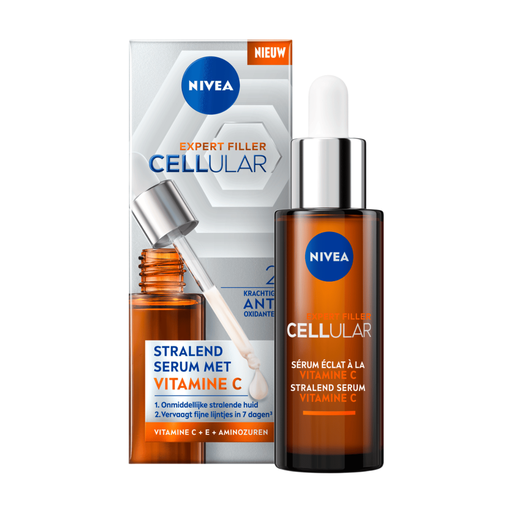
Why it suits this profile: The lightweight formula is designed for daily use in the morning and evening. According to the product description, the serum contains vitamin C, vitamin E and amino acids, and has been dermatologically tested for all skin types, including sensitive skin.
The product information specifies the form of vitamin C used and also states that the formula contains alcohol. This makes it easier to assess whether it’s suitable for you than a general claim about vitamin C would.
30 ml; vitamins C and E; amino acids; for morning and evening use; lightweight, non-greasy texture according to the product description.
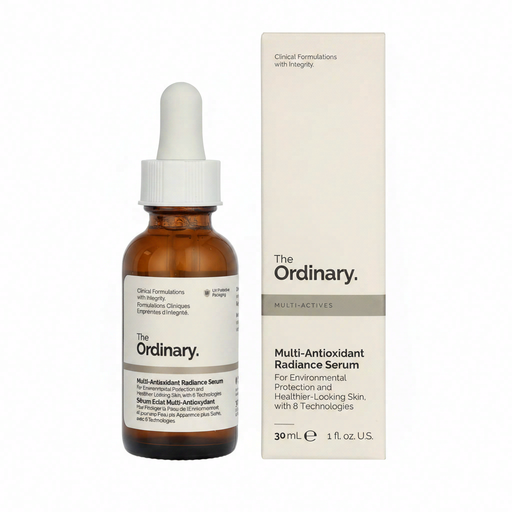
Why it suits this profile: According to the product description, this serum combines several antioxidant ingredients, including stabilised vitamin C, EGCG, ginseng extract, ergothioneine and protective peptides. It’s designed for use during the day and in the evening.
Rather than making a broad claim, the product description names the individual antioxidants. The formula is also fragrance-free according to the product information provided.
30 ml; eight antioxidant technologies listed; suitable for all skin types according to the product details; vegan and paraben-free according to the product information.
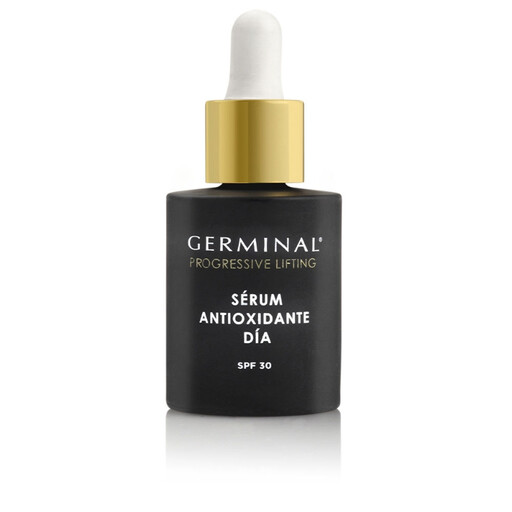
Why it suits this profile: This is a day serum with SPF 30. According to the product description, the formula focuses on antioxidants, a more even complexion and dark spots. The ingredients list includes Kakadu plum extract, seaweed extracts, peptides and squalane.
The SPF 30 is clearly stated in the product details, making it easy to distinguish this from a regular antioxidant serum. Its stated sun protection makes it specifically suited to daytime use.
30 ml; SPF 30; daytime formula; four antioxidant components listed in the product description; lightweight serum that can be applied under a moisturiser.
We’ve put together a complete, up-to-date list of products that meet these strict selection criteria and the applicable European safety regulations.
Check the shelf life too. Look for the expiry date and the period after opening on the packaging. Store your serum in a cool, dry place away from direct sunlight. Vitamin C formulas in particular can be affected by improper storage.
Not quite. Vitamin C is one type of ingredient with antioxidant properties. An antioxidant serum may also contain vitamin E, green tea, ginseng, ferulic acid, coenzyme Q10 or several other ingredients. Always check the full ingredients list.
Look for a formula with ingredients described as targeting an uneven complexion, such as niacinamide, vitamin C, tranexamic acid or alpha-arbutin. Don’t expect instant results, and use UV protection during the day. If dark spots persist or change, it’s sensible to seek advice from a doctor or dermatologist.
Shelf life varies from product to product. Check the expiry date and the period-after-opening symbol, such as 6M or 12M. Close the packaging after use and store the serum according to the manufacturer’s instructions.
