
Livraison le jour même et le lendemain

Qualité garantie

Débloquez vos offres de bienvenue: Livraison GRATUITE | Jusqu'à -80 % | 30 jours d'essai gratuits à JoyPlus
Téléchargez l'application
Antibacterial products can be useful for handwashing, oral care, surfaces and indoor air. But seeing words such as “hygiene”, “protection” or “99.9%” on the packaging doesn’t automatically mean you’re paying for a better solution. What matters most is whether the product is suitable for the task, has clear information on the label and can be used safely.
A claim such as “kills 99.9% of bacteria” sounds clear, but always check what the claim refers to. Is it bacteria on a particular surface, in water or on the skin? Under what conditions was the effectiveness assessed? For example, according to the product description, Blue Wonder claims that its wipes kill 99.9% of bacteria and fungi. That isn’t a general guarantee for every surface or use.
So, use disinfectant cleaning wipes according to the label. Clean off visible dirt first if instructed, and don’t use a product on materials it isn’t suitable for.
Antibacterial hand soap removes dirt when you wash, but washing your hands properly is still more important than a marketing claim on the packaging. For everyday care, a formula that feels pleasant to use and comes with clear instructions is often more practical than a product with lots of extra promises.
The same applies to antibacterial toothpaste and fluoride mouthwash. These products don’t replace brushing, using interdental brushes or flossing. Check the ingredients, fluoride content, age guidance and warnings such as “do not swallow”.
A humidifier with UV-C requires regular maintenance. The water needs changing and the reservoir must be cleaned according to the instructions. Even a smart device can prove less practical if you haven’t factored in filters, replacement parts or extra energy use when deciding what to buy.
Cleaning products come with other costs to consider: the amount in each pack, the number of uses and whether you need a separate product for every surface.
Start by checking the product category:
Brand claims shouldn’t automatically be taken as guaranteed results. According to Xiaomi’s product description, the UV-C function in the Smart Humidifier 2 can kill up to 99.9% of bacteria in the water. Before buying, check the manual and the current packaging too.
Don’t just compare the price; compare the quantity too:
Read the warnings before you buy. Products containing perfume may not suit everyone. Don’t mix cleaning products, especially if they contain ingredients such as acids or chlorine. Keep cleaning and personal care products out of children’s reach.
If a product makes sustainability claims, it’s worth checking the specific details. According to the product description, Blue Wonder wipes are plastic-free, plant-based and free from chlorine and alcohol. The packaging and label on the product itself are the final reference.
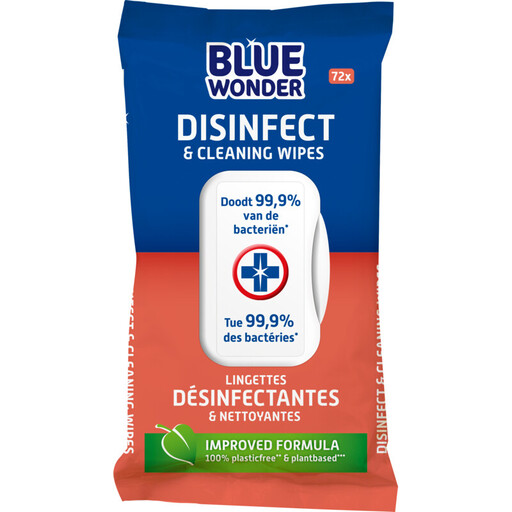
Why it suits this profile: A ready-to-use option for households that want to clean kitchen worktops, toilets or other suitable surfaces quickly, without using several different liquids.
The packaging states that there are 72 wipes, gives their large size and lists use on different surfaces. Always check the label to make sure they’re suitable for the material.
Described as plastic-free and free from chlorine and alcohol; cleans and disinfects in one step when used as directed.
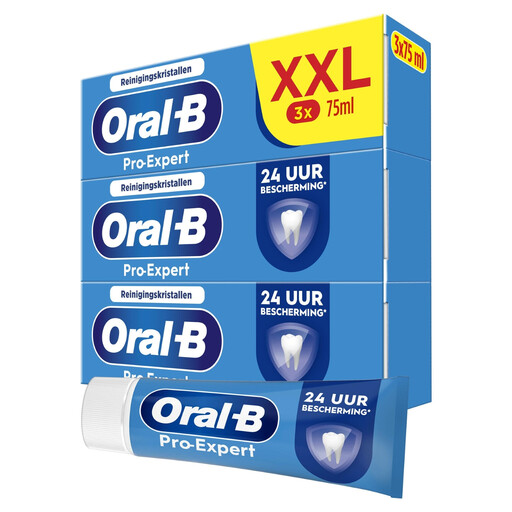
Why it suits this profile: A good choice for adults who want a multipack and would like to include fluoride in their daily oral care routine.
The product information gives the type, the quantity of 3 x 75 ml and the stannous fluoride complex. Use as directed on the label and don’t swallow the toothpaste.
A multipack with fluoride and antibacterial technology, according to the product description; suitable for brushing twice a day in line with the instructions.
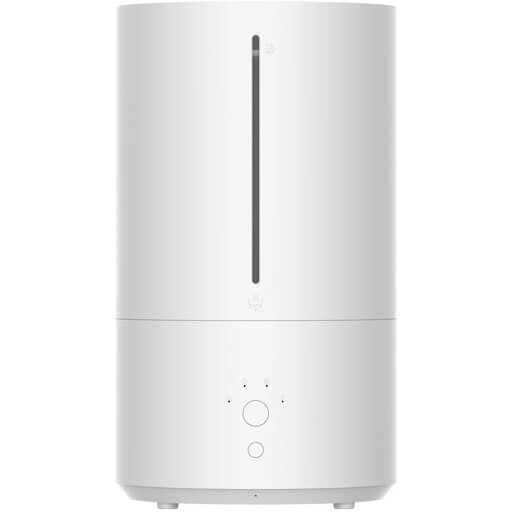
Why it suits this profile: An option for anyone looking to combine humidification with adjustable mist, automatic humidity control and app control.
The product information lists a mist output of up to 350 ml per hour, a noise level of 32 dB and control via Mi Home. Regular cleaning is still essential.
Ultrasonic humidification, 360-degree adjustable mist and top filling, according to the product description; Xiaomi links the UV-C function to the water.
We’ve put together a full, up-to-date list of products that meet these strict selection criteria and the applicable European safety regulations.
Not always. For many household tasks, ordinary cleaning and washing your hands with soap and water are enough. Antibacterial products can be useful when the packaging clearly states what they’re for and how to use them. Don’t choose a product just because it has a high percentage on the front.
It varies from product to product. Check the expiry date, batch information and any period-after-opening guidance on the packaging. Close wipes and liquid products securely. If a product has dried out, changed colour or smells different from usual, it’s best not to use it without checking the label or contacting the manufacturer.
The price depends on the quantity, dosage, brand and intended use. So compare the price per 100 ml, per wipe or per use. For appliances such as humidifiers, also factor in electricity use, cleaning products and any replacement parts. This helps you compare cleaning and personal care products based on their true cost of use.
