
Vandaag of morgen in huis

Kwaliteit gegarandeerd

Welkomstaanbiedingen ontgrendelen: GRATIS bezorging | Tot 80% korting | Gratis 30 dagen JoyPlus-proefperiode
Download de app
Wrinkles, dryness, a dull complexion and reduced firmness are normal changes. Even so, choosing the right anti-aging face cream from the wide range available can be challenging. Packaging often promises visibly younger-looking skin, intensive rejuvenation or an immediate lifting effect. Such claims say little about how comfortable a cream will feel on your skin type.
As a Joybuy Product Recommendation Officer, I filter marketing language through practical information: ingredients, time of use, skin type, volume and warnings. This helps you avoid paying for a product that is too heavy, too irritating or simply unsuitable for your routine.
An anti-wrinkle face cream may primarily hydrate, support the skin barrier or contain active ingredients such as retinol, bakuchiol or vitamin C. These are different properties. A moisturising cream can sometimes make fine lines caused by dehydration appear less visible, but that does not automatically mean it addresses every sign of skin aging.
A retinol cream or cream containing exfoliating acids may be less suitable if your skin is sensitive, dry or compromised. Start with a small amount and use it infrequently. During the day, also apply sunscreen with an SPF suited to your level of sun exposure. Always check the current ingredient list and warnings on the packaging.
A rich cream can feel comfortable on dry or mature skin, but may feel heavy on combination skin or underneath makeup. Conversely, a lightweight gel cream may not provide enough comfort in winter. Do not focus only on the promise on the front of the packaging; also consider the intended use: day cream, night cream, gel or rich cream.
For dry skin, ingredients such as glycerin, hyaluronic acid, panthenol, ceramides, shea butter and oils are useful factors to consider. If you are sensitive to fragrance, a face cream for sensitive skin should ideally avoid unnecessarily strong fragrances.
Ceramides and panthenol are often used in formulas designed to support the skin’s moisture barrier. However, check that these ingredients actually appear in the ingredient list. A brand claim is not a universal guarantee for every skin type.
An anti-aging day cream can be practical if you are looking for one dedicated product for your morning routine. A product with SPF is convenient, but check whether the level of protection is sufficient for your sun exposure. An anti-wrinkle night cream can be richer since you do not need to apply makeup or sun protection.
Also compare the volume: a 20 ml jar and a 100 ml jar cannot be compared directly on price alone. Look for the period-after-opening symbol and follow the expiry information on the packaging.
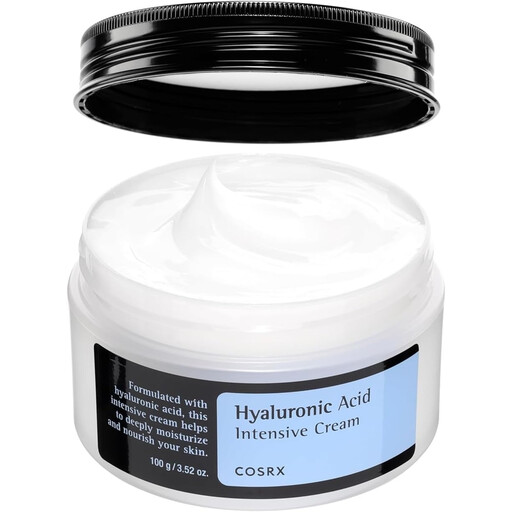
Why This Fits Their Persona: The generous 100 g size suits anyone looking for a simple, hydrating face cream for daily use.
The product information lists specific ingredients such as glycerin, betaine and sodium hyaluronate rather than relying solely on a broad anti-aging claim.
100 g volume; contains glycerin and sodium hyaluronate; suitable when hydration is the main priority.
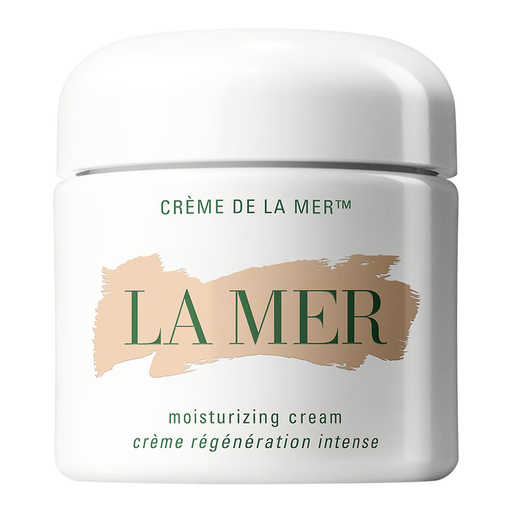
Why This Fits Their Persona: The rich texture is suited to people with dry skin who enjoy a more elaborate skincare ritual.
The product page states that the cream is intended for dry skin and that the directions recommend applying only a small amount.
100 ml volume; contains glycerin, mineral oil and petrolatum; suitable for a richer evening routine.
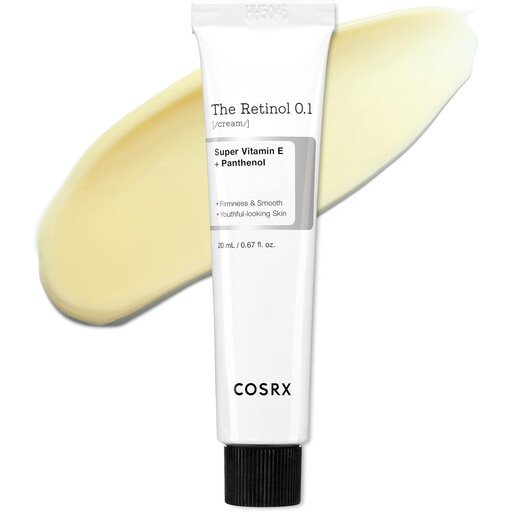
Why This Fits Their Persona: Suits someone who wants to introduce retinol deliberately and prefers to start with a small pack.
The product information specifies 0.1% retinol and recommends using it only a few times per week at first.
0.1% retinol; 20 ml volume; also contains panthenol according to the product information.
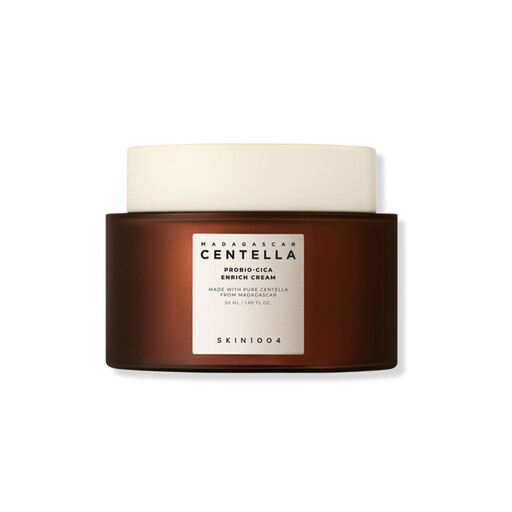
Why This Fits Their Persona: According to the product description, the formula is designed for dry and sensitive skin and suits a comfort-focused routine.
The ingredient list includes glycerin, niacinamide, Centella asiatica and Ceramide NP. Discontinue use if irritation occurs and follow the packaging instructions.
50 ml volume; contains Ceramide NP; dermatologically tested and suitable for all skin types according to the product information.
Browse a current selection of face creams for wrinkles, dryness and loss of firmness. Compare ingredients, volume and intended use before making your choice.
An anti-aging day cream with SPF can be a convenient step in your routine. The L’Oréal Revitalift Anti-Wrinkle Day Cream SPF 30 includes SPF 30 in its product name. According to the brand’s product information, the formula also contains Pro-retinol A. Check the current packaging for the complete ingredient list and directions for use.
Look for a rich, hydrating formula containing ingredients such as glycerin, hyaluronic acid, panthenol, ceramides or oils. An anti-wrinkle night cream may feel more comfortable if your skin feels tight in the evening. Hyaluronic Acid Intensive Cream and La Mer Crème De La Mer are examples that focus on hydration; however, compare texture and price per volume.
This cannot be assumed without qualification. Retinol may cause redness, dryness or irritation for some users. Start with a low concentration, use a small amount and increase gradually. Avoid applying it to compromised skin and follow the warnings on the packaging. If problems persist, stop using the product and seek medical advice.
Improved hydration and a more comfortable skin feel may be noticeable quickly. Changes in the appearance of fine lines, complexion or firmness generally take longer and vary from person to person. Do not therefore choose a product based on a fixed advertising timeframe; after several weeks, assess whether its texture, tolerability and skincare benefits suit your skin.
