
Vandaag of morgen in huis

Kwaliteit gegarandeerd

Welkomstaanbiedingen ontgrendelen: GRATIS bezorging | Tot 80% korting | Gratis 30 dagen JoyPlus-proefperiode
Download de app
Wrinkles, fine lines, pigmentation, dryness and reduced firmness do not all require the same type of care. Yet many products are sold under one broad category. An anti-ageing face cream may primarily hydrate, help create a more even-looking complexion, care for the skin barrier or contain active ingredients such as retinol or glycolic acid.
The right choice therefore starts not with a promise on the front of the packaging, but with your skin type, your routine and the ingredients list. Below, you can read about common pitfalls that often lead to disappointing purchases and learn which product specifications you should check in advance.
A luxurious appearance, a big brand name or a high price does not automatically mean that a cream is suitable for your skin. A rich cream can feel pleasant on dry or mature skin, but may feel too heavy on oilier or blemish-prone skin. So check the texture, the intended skin type and the complete ingredients list.
Retinol, glycolic acid, salicylic acid derivatives and other exfoliating ingredients can all have a place in a skincare routine. If you combine several active formulas without introducing them gradually, your skin may feel tight or irritated. Start with one new product and use it according to the label.
A cream with SPF can be convenient for everyday use. However, the level of protection depends on the SPF rating, the amount applied and how often you reapply it. According to the product information from Eucerin and Clinique, you should apply generously and reapply regularly when exposed to the sun. No SPF product provides complete protection against UV radiation. If you are spending a long time outdoors, a separate sunscreen is often more practical.
Consider the issue you want to address first:
Also consider potential sensitivities. Fragrance, essential oils and certain acids may not feel comfortable for everyone. If your skin reacts easily, it is sensible to test a small amount on a limited area of skin first.
The name of an ingredient is less informative without its concentration or usage instructions. For example, the product information lists 0.1% retinol. The accompanying product information recommends initially using a small amount approximately three times a week, increasing the frequency only if your skin tolerates it well.
Topicrem AH Theavit Renewing Cream centres on glycolic acid, an AHA. According to Topicrem’s product description, this ingredient has an exfoliating effect and, according to the brand’s own product information, supports collagen production. As acids can increase sensitivity to the sun, suitable sun protection should form part of your daytime routine.
A 50 ml jar and a 50 ml tube contain the same amount, but do not offer the same user experience. A pump or tube limits contact with the contents; when using a jar, it is best to use clean hands or the spatula provided.
Always check the shelf-life information on the packaging. The stated period after opening may vary from product to product. The current ingredients list on the physical packaging is the definitive source, as formulations may change between production batches or markets.
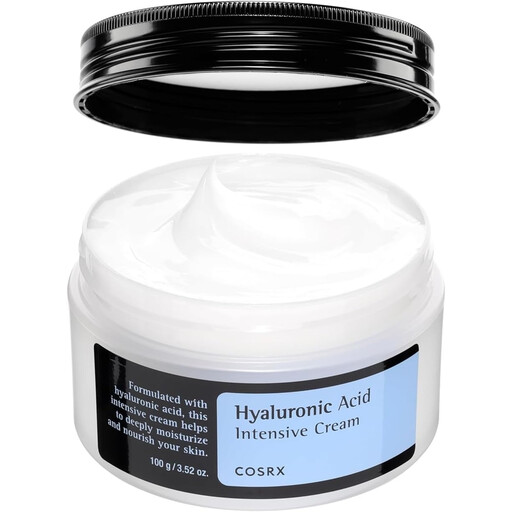
Why it suits this profile: A simple hydrating face cream is a logical starting point when dryness is your main concern and you do not yet want to use strong active ingredients.
The product information lists glycerine and sodium hyaluronate, among other ingredients, without retinol or acids as its key active ingredients.
100 g contents; formula with glycerine, plant oils and hyaluronic acid.
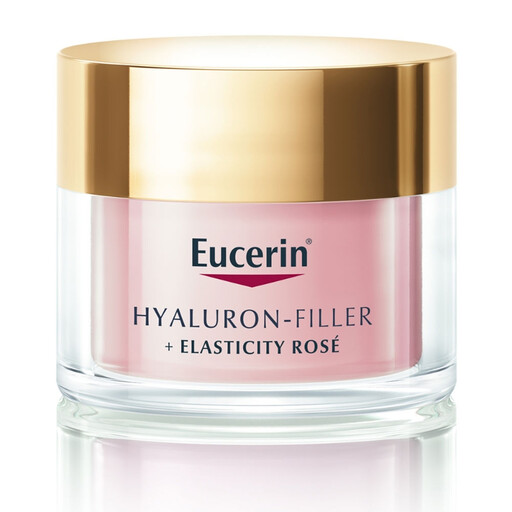
Why it suits this profile: This face cream combines hydration with SPF30 and a pink tint, making it suitable for a morning routine with a polished-looking finish.
The SPF rating is clearly stated. However, apply enough product and use additional sun protection during longer periods of exposure.
SPF30; hyaluronic acid in the product range; 50 ml pump packaging.
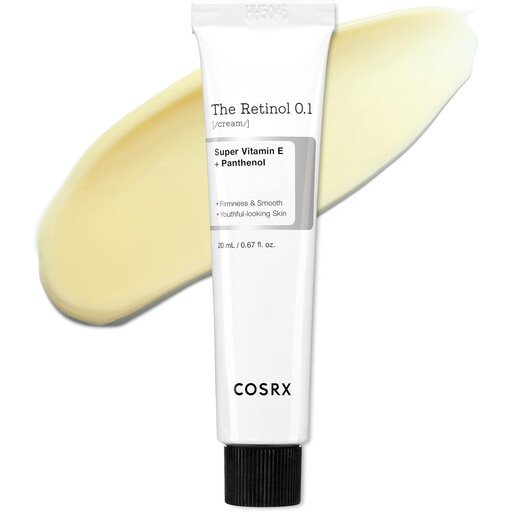
Why it suits this profile: Suitable for anyone who wants to consciously add a retinol cream to their routine and is prepared to build up usage gradually.
The usage instructions recommend starting three times a week and stopping if irritation occurs. This prevents you from increasing usage too quickly.
0.1% retinol according to the product information; also contains panthenol and a vitamin E derivative.
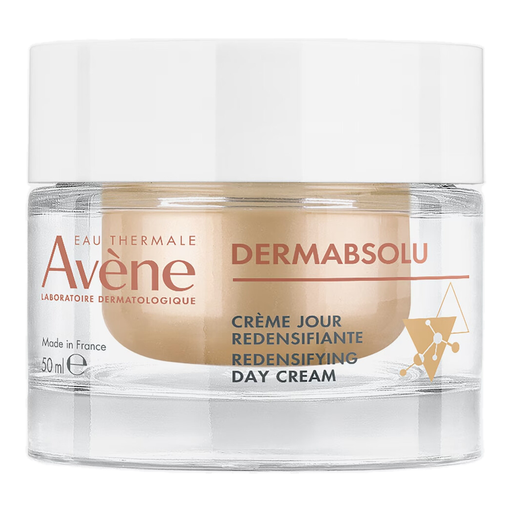
Why it suits this profile: The richer texture and listed ingredients are suited to anyone looking for comfort, nourishment and a firming face cream for mature skin.
The skin type and age group are stated clearly. This makes the choice more targeted than simply relying on the term anti-ageing.
Bakuchiol, pro-ceramides, hyaluronic acid and shea butter according to the product information; suitable for the face, neck and décolletage.
We have compiled a complete, up-to-date list of products that fully meet these strict selection criteria and the applicable European safety regulations.
A Korean skincare cream may be worth considering if you are mainly looking for ceramides, centella, niacinamide or several forms of hyaluronic acid. The same applies here: look at the specific formulation rather than focusing only on the product’s origin or packaging.
Choose a formula without unnecessary fragrances and introduce no more than one new active ingredient at a time. A moisturising cream with glycerine, panthenol or ceramides is often easier to assess than a product containing several acids and retinol. Test it on a small area of skin first.
This varies from product to product. Check the symbol and wording on the packaging, such as the period after opening or the expiry date. Store the cream according to the instructions, away from direct sunlight and properly sealed. The product packaging contains the most up-to-date information.
No, a serum is not essential. A cream may already provide enough hydration for everyday use. Only add a serum if it has a clearly complementary purpose, such as providing extra hydration. Introduce new products one at a time so that you can monitor how your skin responds.
