
Vandaag of morgen in huis

Kwaliteit gegarandeerd

Welkomstaanbiedingen ontgrendelen: GRATIS bezorging | Tot 80% korting | Gratis 30 dagen JoyPlus-proefperiode
Download de app
Buying an anti-ageing face cream sounds simple, until you have to choose between an anti-wrinkle cream, firming face cream, hydrating face cream or day cream for mature skin. Products often promise a lifting effect, fewer fine lines and firmer-looking skin. However, those claims will not necessarily suit your skin type or daily routine.
Pay particular attention to three common pitfalls:
First, decide what you mainly want to improve:
A face cream with collagen can leave the skin feeling comfortable and well cared for. That does not automatically mean that collagen from a cream builds up deep within the skin. Always check the full ingredients list and specific product information.
A rich cream can feel pleasant on dry or mature skin, but may feel heavy on combination skin. A gel cream or lightweight formula is often better under make-up. Also check whether it contains fragrance. A fragrance-free option may be more practical if your skin reacts easily, although “fragrance-free” does not mean irritation is impossible.
Try a new product on a small area of skin first. Stop using it if you experience redness, burning or other irritation. Follow the instructions on the packaging. When using a product containing acids, it is advisable to apply sunscreen during the day.
A 50 ml face cream is a common size for daily use. A jar may be less hygienic if you repeatedly remove the product with your fingers. A tube or pump dispenser limits direct contact with the contents. Also check:
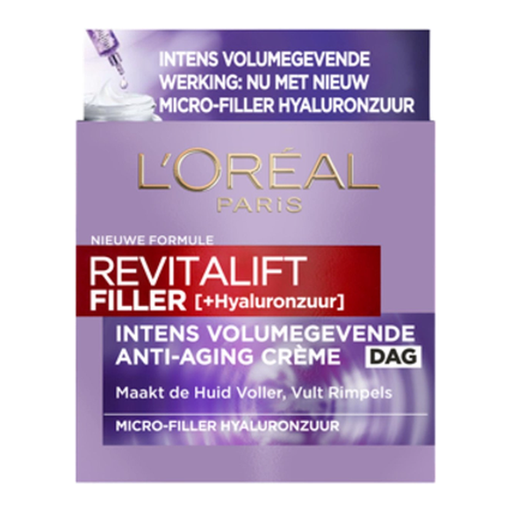
Why it suits this profile: A familiar 50 ml day cream for anyone looking for a simple starting point focused on hydration and fine lines.
The product description clearly states the size, when to use it and that it contains hyaluronic acid. However, check the UV protection and current ingredients separately on the packaging.
50 ml; intended to hydrate and make lines appear visibly smoother according to the product information; designed for daily daytime skincare.
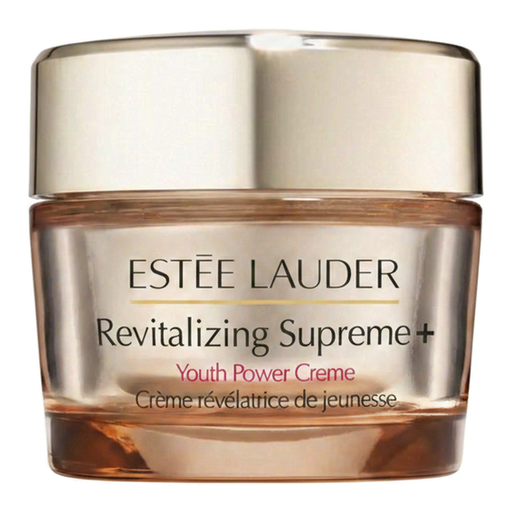
Why it suits this profile: A good choice for anyone looking for a richer skincare routine with multiple hydrating and nourishing ingredients.
The product information specifies the size, texture and key ingredients. The result percentages are based on Estée Lauder’s own research and are not a guarantee for every user.
50 ml; contains hyaluronic acid and cactus stem cell extract according to the product description; soft texture that absorbs quickly according to the brand.
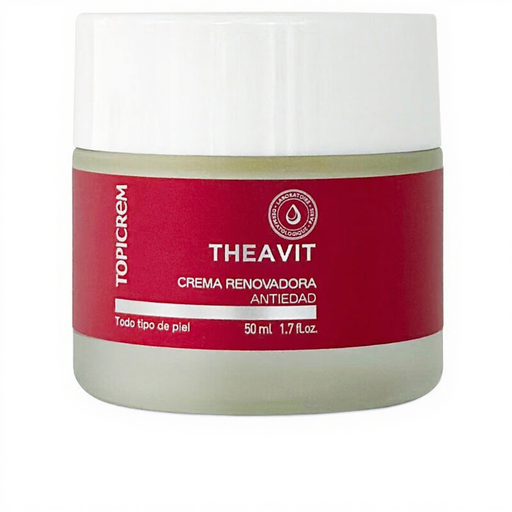
Why it suits this profile: Suitable for anyone who wants to add an anti-ageing face cream containing an exfoliating ingredient to their routine.
The presence of glycolic acid is clearly stated. Introduce it gradually, watch for irritation and use sun protection during the day.
50 ml; fragrance-free formula according to the product details; lightweight, fast-absorbing texture; intended for morning and evening use.
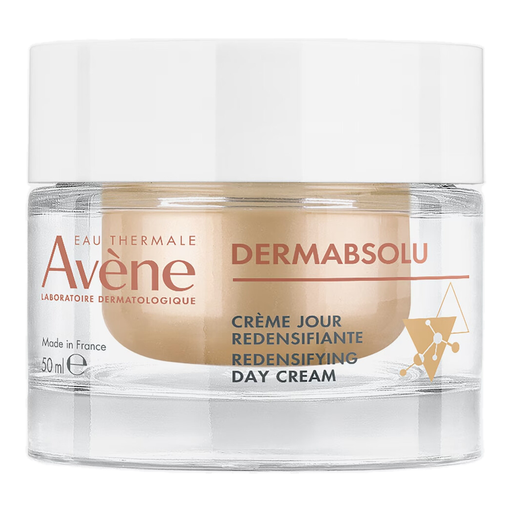
Why it suits this profile: An option for anyone looking for a day cream for mature skin, with a focus on comfort, dryness and firmness.
The product details specify mature skin, the face, neck and décolletage as areas of use. Check whether the jar packaging and any fragrance ingredients suit your preferences.
50 ml; contains bakuchiol and pro-ceramides according to the product information; intended for morning and evening use.
We have put together a complete, up-to-date list of products that fully meet these strict selection criteria and the applicable European safety regulations.
Cleanse your face, apply a serum if desired and then use a small amount of cream on your face and neck. Follow the brand’s instructions. With an exfoliating cream, it is best to introduce it gradually. During the day, use a separate sunscreen if the product does not provide suitable UV protection.
This depends on the amount used, how often you apply it and the areas to which you apply the cream. With daily use on the face and neck, 50 ml will generally last several weeks. Check the period-after-opening symbol and store the product according to the instructions on the packaging.
That depends on the formula. Choose a cream for sensitive skin based on the ingredients list and avoid ingredients you know you react to. Test a small amount first. If irritation persists, stop using the product and, if necessary, ask a doctor or pharmacist for advice.
