
Vandaag of morgen in huis

Kwaliteit gegarandeerd

Welkomstaanbiedingen ontgrendelen: GRATIS bezorging | Tot 80% korting | Gratis 30 dagen JoyPlus-proefperiode
Download de app
Buying an anti-ageing face cream may seem straightforward, but there are major differences between formulas, skin types and times of use. A cream that feels comfortable on dry skin may be too rich for combination skin. Packaging may also promise fewer wrinkles, improved firmness or a visible lifting effect without clearly explaining which ingredients and usage period these results are based on.
These are the three main pitfalls that can lead to a disappointing purchase:
A moisturising face cream often contains ingredients such as glycerine, hyaluronic acid, shea butter or oils. These can reduce feelings of tightness and help the skin feel more comfortable. A richer cream is generally better suited to dry or mature skin, while a lightweight gel cream may feel more pleasant on combination or oilier skin.
Pay attention to the wording on the packaging, too. “Suitable for all skin types” is a broad product description, not a guarantee that the formula is ideal for everyone. If your skin reacts quickly to fragrances, look for a fragrance-free option and check the full ingredients list.
For fine lines and dehydrated skin, many consumers look for a face cream with hyaluronic acid. Hyaluronic acid helps the skin retain moisture, which can temporarily make dehydration lines appear less visible. It is not a permanent solution for wrinkles.
Peptides, ceramides, niacinamide, vitamin E and Q10 are also commonly found in an anti-wrinkle cream or firming face cream. Check that the ingredient is actually listed and note where it appears. The order gives an indication of the relative amount, but it does not on its own tell you whether a product is suitable for your skin.
When using retinol or retinyl palmitate, it is wise to build up gradually. Use the product as directed, patch-test it on a small area of skin first and stop if irritation occurs. A day cream containing retinoid-like ingredients is not the same as a treatment carried out under medical supervision.
An anti-wrinkle day cream may contain additional UV filters. According to the product information, the Eucerin Hyaluron-Filler + elasticity rosé day cream has SPF30. The packaging also states that it has a pink tint and contains ingredients such as Thiamidol and a Collagen Elastin Complex. According to Eucerin’s own research, these ingredients are intended to address the skin concerns described; always check the current packaging and directions for use.
An anti-wrinkle night cream does not need to contain SPF and may focus more on comfort and nourishment. The NIVEA Q10 Energy Recharge Firming Night Cream lists Q10, vitamin C and vitamin E in its formula. According to NIVEA’s product description, the cream helps with hydration and a tired-looking appearance. This makes it a practical simple evening step, but do not expect identical results for every skin type.
The selection below is based on verifiable product information such as size, time of use, SPF, fragrance-free formulation and listed ingredients. Brand-owned claims are identified as such.
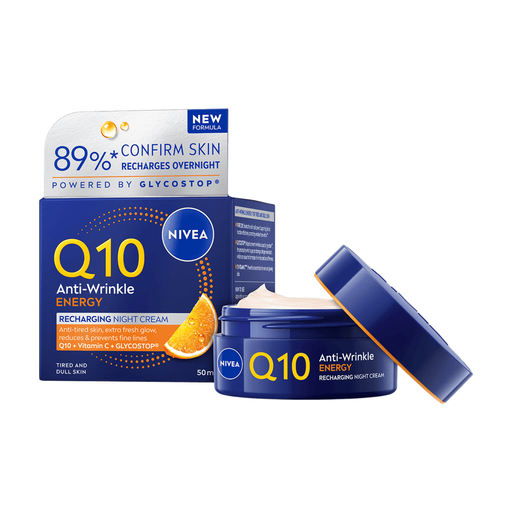
Why it suits this profile: This 50 ml night cream is a straightforward choice for anyone who wants to start an anti-ageing skincare routine without making it complicated.
The product information clearly states that it is for night-time use and lists the ingredients Q10, vitamin C and vitamin E. This makes the cream’s purpose more specific than a general lifting claim.
50 ml, suitable for all skin types according to the product description, and intended for evening use.
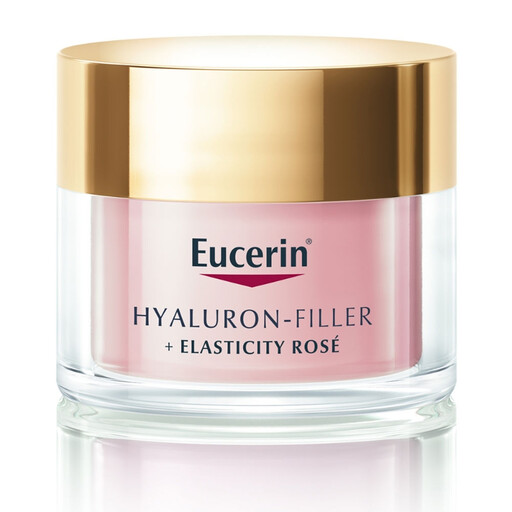
Why it suits this profile: This day cream combines hydration, a pink tint and SPF30 for users who want to cut down on the number of steps in their morning routine.
The SPF rating is clearly stated. The directions for use emphasise applying generously and reapplying after swimming, drying yourself or sweating.
50 ml, SPF30, pink tint and product information indicating suitability for all skin types and sensitive skin.
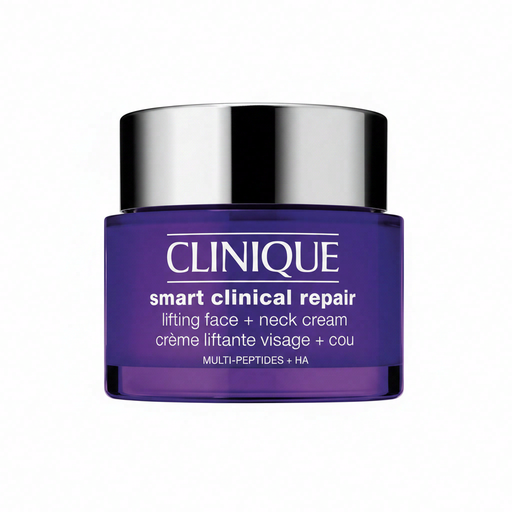
Why it suits this profile: The fragrance-free formula and suitability for the face and neck make it a good fit for users who prioritise comfort and follow a more comprehensive anti-ageing routine.
The product details state that it is fragrance-free, dermatologically tested and has SPF30. Claims about wrinkles and lifting come from Clinique and should be understood as brand-reported results.
75 ml, fragrance-free, with SPF30 and ingredients such as sodium hyaluronate and several peptides.
We have put together a complete, up-to-date list of products that fully meet these strict selection criteria and the applicable European safety regulations.
Shelf life varies from product to product. Check the expiry date, batch number and period after opening on the packaging. A jar that has been open for months may be less hygienic than a pump bottle. Store the cream somewhere cool and dry, away from direct sunlight.
A cream can moisturise the skin, temporarily making fine dehydration lines appear less visible. Ingredients such as peptides, hyaluronic acid and retinoid-like substances are often used in anti-wrinkle skincare. The final effect varies depending on your skin, the formula and how long you use it. Brand results should be understood as claims based on research by the relevant brand, not as a guarantee.
That depends on the conditions and how much you apply. A cream with SPF30 may be suitable for everyday use, but no SPF product offers complete protection. In strong sunlight, when swimming or when spending a lot of time outdoors, it is important to reapply as directed on the label.
A 50 ml container will often last several weeks to a few months when used daily. The actual usage period depends on how much you apply and whether you also use the cream on your neck and décolletage. Always follow the period after opening and store the product as directed on the packaging.
