
Vandaag of morgen in huis

Kwaliteit gegarandeerd

Welkomstaanbiedingen ontgrendelen: GRATIS bezorging | Tot 80% korting | Gratis 30 dagen JoyPlus-proefperiode
Download de app
Searching for a good anti-wrinkle serum? You'll quickly find the options are overwhelming. Brands promise the world with exotic ingredients and impressive slogans. But how do you know which serum for wrinkles is genuinely right for your skin, and not just for the brand's marketing department? Many people fall into the same traps, ending up with an expensive bottle that does very little.
As a Joybuy Product Recommendation Officer, I'm here to help you see through the noise. We'll leave the marketing jargon behind and focus on what really counts. Let's review the most common pitfalls so you can make an informed choice.
The 2 pitfalls of choosing an anti-ageing serum:
To avoid these pitfalls, it's crucial to know which specifications truly matter. Pay attention to the following three points before purchasing a face serum for wrinkles.
An effective anti-ageing serum is built on proven ingredients. Look beyond the marketing and check the ingredients list for these powerhouses:
Not every firming serum is suitable for every skin type. A product that works wonders for oily skin might further dry out dry skin.
Active ingredients like retinol and vitamin C are sensitive to light and air. Exposure can quickly reduce their effectiveness. Therefore, choose a serum in opaque, airtight packaging, such as a pump bottle or a dark glass bottle with a dropper. A clear jar is often a sign that the formula is not stable or contains few active ingredients.
To get you started, we've highlighted a few serums that suit different needs and skin types.
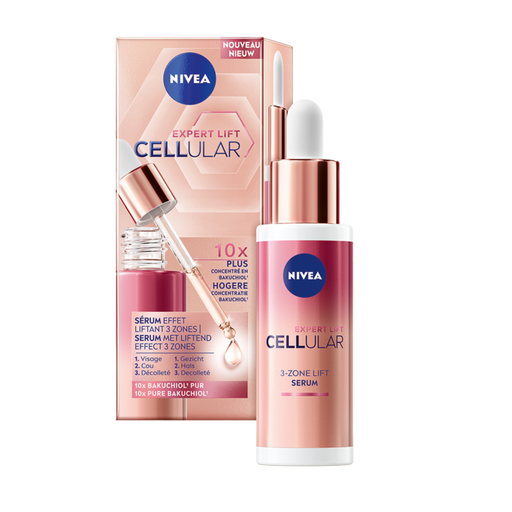
Why This Fits Their Persona: Ideal for those starting an anti-ageing routine without irritating the skin. This serum uses Bakuchiol, a gentle, plant-based alternative to retinol, from a trusted and accessible brand.
This serum focuses on a well-documented, gentle ingredient (Bakuchiol) instead of vague promises. It is specifically formulated for mature yet sensitive skin.
According to NIVEA, it stimulates cell renewal and collagen production. Suitable for daily use on the face, neck, and décolleté.
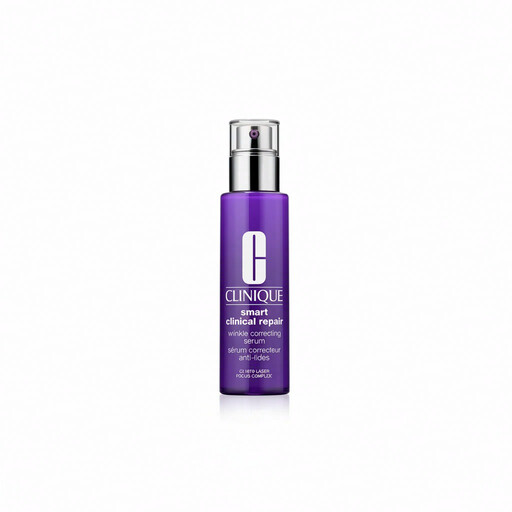
Why This Fits Their Persona: For those seeking a powerful, multi-faceted approach and willing to invest in a product from a renowned brand. This serum combines multiple active ingredients for broad-spectrum action.
The formula is based on a combination of proven active ingredients (peptides, retinoid, hyaluronic acid) rather than a single 'magic' ingredient. The focus is on a scientific approach.
According to Clinique, it tackles ageing on multiple fronts: stimulating collagen production, promoting cell renewal, and providing intense hydration. Fragrance-free and suitable for all skin types.
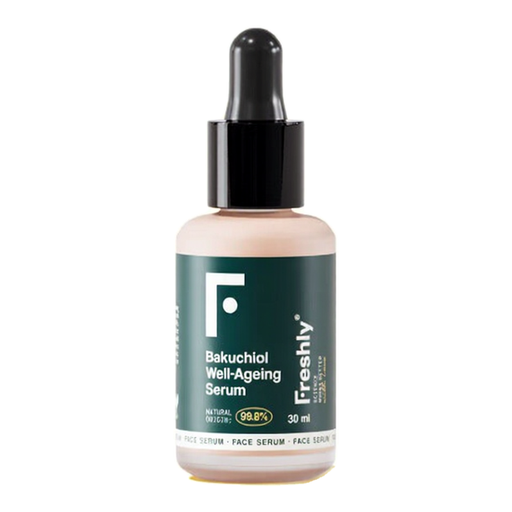
Why This Fits Their Persona: Perfect for those seeking an effective, natural, and retinol-free serum for mature skin. Suitable for use during pregnancy and for those who value a product with a natural scent and local production.
This serum is transparent about its main ingredient, Bakuchiol, and is explicitly retinol-free. It avoids the pitfall of vague claims by focusing on a well-known, plant-based alternative.
According to the manufacturer, it stimulates the production of collagen and hyaluronic acid. It is not photosensitive, so it can be used both in the morning and evening. Dermatologically tested and suitable for sensitive skin.
We have compiled a complete, up-to-date list of products that fully meet these strict selection criteria.
Patience is key in skincare. While a hydrating hyaluronic acid serum can provide an immediate smoothing effect, ingredients that stimulate cell renewal and collagen production (like retinol or bakuchiol) need more time. Expect to see structural improvements in fine lines and skin texture after a minimum of 4 to 12 weeks of consistent, daily use.
That depends on your skin and the serum's concentration. If you're new to a retinol serum, it's wise to start by using it every two or three nights to allow your skin to acclimate. If your skin shows no signs of irritation (redness, peeling), you can slowly increase the frequency to every evening. Always use a sunscreen with at least SPF 30 during the day, as retinol makes your skin more sensitive to the sun.
A serum has a lighter texture and a higher concentration of active ingredients than a cream. Its molecules are smaller, allowing it to penetrate deeper into the skin to target specific concerns like wrinkles. A cream is thicker and its main purpose is to hydrate the skin and form a protective barrier. The correct order of application is: cleanse first, then apply your serum, and finish with a cream.
