
Vandaag of morgen in huis

Kwaliteit gegarandeerd

Welkomstaanbiedingen ontgrendelen: GRATIS bezorging | Tot 80% korting | Gratis 30 dagen JoyPlus-proefperiode
Download de app
An anti-wrinkle face serum may seem easy to choose at first glance. But serums can vary considerably in their active ingredients, recommended frequency of use, texture and how well they suit your skin. A more expensive product isn’t automatically right for your routine. And a high concentration of retinol or niacinamide won’t suit every skin type.
Here are some common pitfalls to watch out for:
Choose according to your main skin concern:
A hydrating face serum might contain ingredients such as glycerine, hyaluronic acid, panthenol or squalane. These can feel soothing if your skin feels tight. If your skin is sensitive, also check for fragrance, essential oils and alcohol.
A product described as a serum for all skin types won’t necessarily suit every individual. Read the full ingredients list and bear in mind any reactions you’ve had in the past.
A small bottle with a high concentration may last longer than a larger product that you need to use more of. Capsules, like those in the RoC serum, measure out the amount for each use. A pump bottle limits contact with air and fingers. Store retinol and retinal products as directed on the label, away from direct sunlight.
A Korean skincare serum with spicules or microstructures may cause a mild tingling sensation. That doesn’t automatically mean the product works better. Patch testing and gradually getting your skin used to it are important. Don’t use an active formula on damaged or irritated skin.
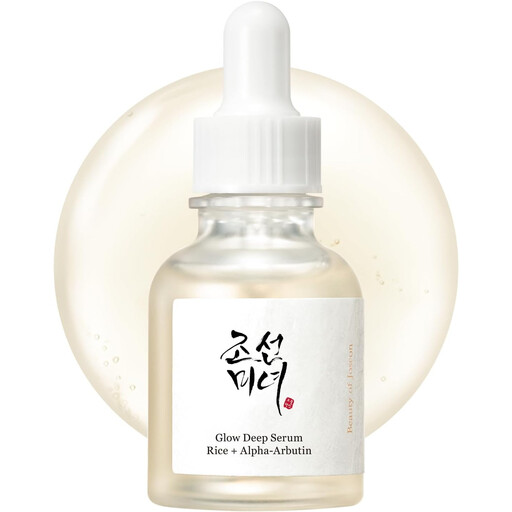
Why it suits this profile: According to the product description, this lightweight formula contains 2% alpha-arbutin, rice bran water and niacinamide. It’s a sensible choice if your main concern is dull, uneven-looking skin and you don’t already use a retinol product.
The ingredients and directions for use are clearly listed. There’s no need to combine several strong exfoliating or retinoid products straight away.
30 ml; lightweight, hydrating texture; fragrance-free and alcohol-free according to the product information.
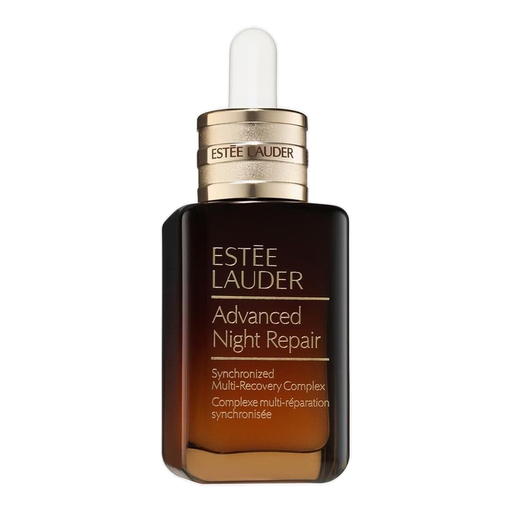
Why it suits this profile: According to the product information, this serum is designed for all skin types. It combines hydrating ingredients such as sodium hyaluronate, glycerine and squalane with a peptide complex.
This isn’t a retinol serum, making it a good fit if you want to focus your routine on hydration and skin comfort without having to get used to retinoids.
30 ml; suitable for morning and evening use according to the label; oil-free formula according to the product details.
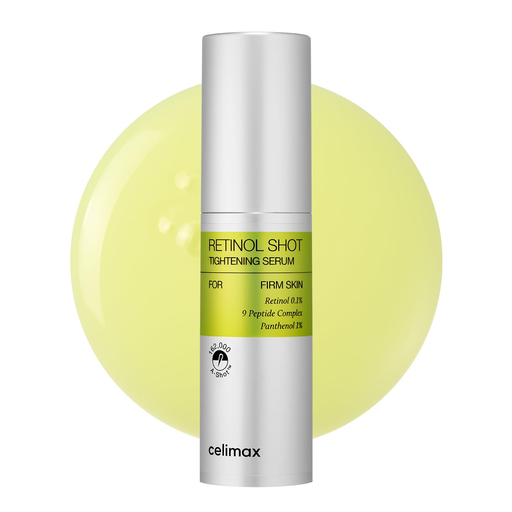
Why it suits this profile: The product description lists retinol, several peptides and hyaluronic acid. This serum is designed for users who are targeting smoother-looking skin texture and fine lines, and are already used to active skincare.
The label recommends starting with every other evening and gradually increasing how often you use it. This helps you avoid using too much retinol straight away.
30 ml; contains retinol, hyaluronic acid and nine listed peptides; use in the evening only, according to the product instructions.
We’ve put together a complete, up-to-date list of products that meet these strict selection criteria and the applicable European safety regulations.
Apply serum after cleansing and before moisturiser. Always use sun protection during the day, especially if you’re using retinol, retinal, vitamin C derivatives or a serum for pigmentation.
A simple routine to follow:
Retinol and retinal are not recommended during pregnancy or breastfeeding unless advised otherwise by a healthcare professional. Always check the ingredients and safety information on the packaging.
A serum can make your skin look temporarily smoother or better hydrated, but visible changes from active ingredients generally require regular use. Results vary depending on your skin, the formula and your routine. Brand-specific claims, such as results after a certain number of weeks, are based on information from the brand and aren’t a guarantee.
Check the expiry date and the period-after-opening symbol on the packaging. Store your serum in a cool, dry place away from direct sunlight. Close retinol or retinal serums securely after use, as light and air can affect the formula.
This may work in some routines, but you don’t need to start using both at the same time. Begin with one product, use a moisturiser and see how your skin responds. If you have sensitive skin, you could use niacinamide at a different time from retinol, for example.
