
Vandaag of morgen in huis

Kwaliteit gegarandeerd

Welkomstaanbiedingen ontgrendelen: GRATIS bezorging | Tot 80% korting | Gratis 30 dagen JoyPlus-proefperiode
Download de app
Choosing an anti-wrinkle face cream may seem straightforward, but the differences between products can be significant. Some formulas focus mainly on hydration, while others target a dull complexion, elasticity or a weakened skin barrier. The right choice therefore depends not only on the age range shown on the packaging, but above all on your skin type, preferred time of use and tolerance of active ingredients.
Words such as “lifting”, “collagen” and “regenerating” sound convincing. However, they do not automatically describe a guaranteed result. According to a brand’s own research, certain ingredients or combinations may improve hydration or skin elasticity, for example, but these results are not the same for everyone.
That is why you should check the full ingredients list, the product size and the directions for use. A cream with a well-known name is not necessarily suitable for your skin.
A retinol cream may be worth considering for fine lines, but retinol is not always suitable for sensitive skin or a damaged skin barrier. A hydrating face cream with hyaluronic acid may feel more comfortable when your skin is dry, but it will not solve every skin concern.
You should also take a realistic view of collagen creams. Check whether collagen is actually listed among the ingredients and what function the manufacturer assigns to the product. Cosmetic claims are not medical claims.
An anti-wrinkle day cream may contain SPF, such as Eucerin Hyaluron-Filler + elasticity rosé day cream SPF30. An anti-wrinkle night cream is often richer or contains ingredients that are best introduced gradually, such as retinol. Use products according to the label and, during the day, preferably combine them with suitable sun protection when you are outdoors.
When comparing a face cream for dry skin, ingredients such as glycerine, shea butter, squalane, panthenol and ceramides are worth considering. A lightweight gel cream may feel more pleasant on normal or combination skin, while a richer formula may be better suited to skin that feels tight.
If you are looking for a cream for sensitive skin, it is worth checking the fragrance and potentially irritating ingredients carefully. “Dermatologically tested” is a product characteristic stated in the product information, but it does not mean that every skin type is guaranteed to react without problems.
Compare the number of millilitres or grams with the price. A 50 ml jar and a 20 ml tube cannot be compared directly. Also consider the packaging: a pump bottle generally limits contact with the contents, while with a jar you can use a spatula or clean fingers.
Check the expiry information and the period after opening. The current packaging is always the definitive source, as ingredients, warnings and manufacturer details may change between production batches.
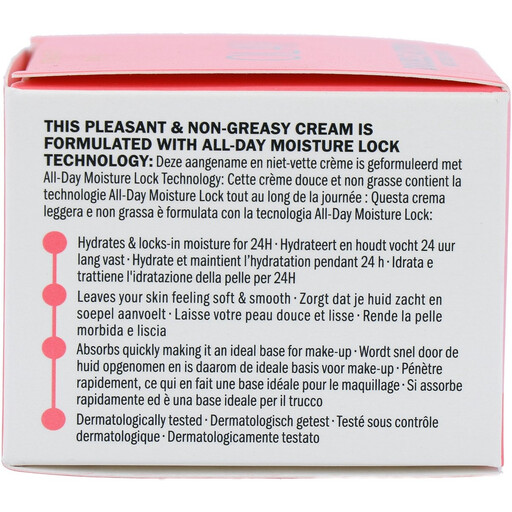
Why it suits this profile: The 50 ml day cream is intended for normal to dry skin and, according to the product information, can also be used as a make-up base. This makes one product a practical choice for a simple routine.
The product description mentions a lightweight texture and daily use. However, check the current ingredients list and the warning about eye contact on the packaging.
50 ml; suitable for normal to dry skin; intended as a hydrating day cream and primer.
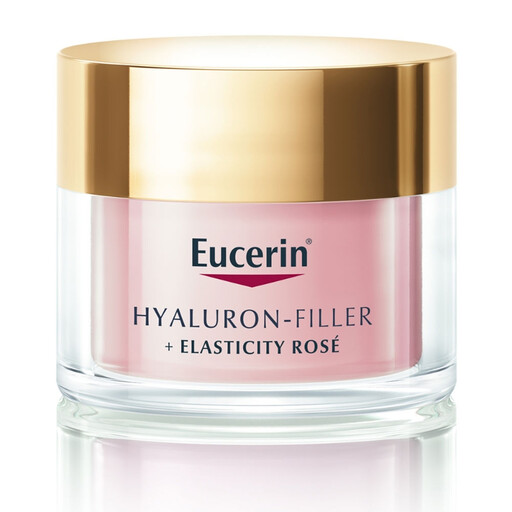
Why it suits this profile: According to the product information, this day cream combines hydration, a rosy tint and SPF30. It is a good match for anyone looking for a morning skincare product with extra focus on a dull complexion.
The SPF level is clearly stated. Follow the instructions for applying generously and reapplying; SPF30 does not mean complete protection from the sun.
50 ml; SPF30; pump bottle; according to the product details, suitable for all skin types and sensitive skin.
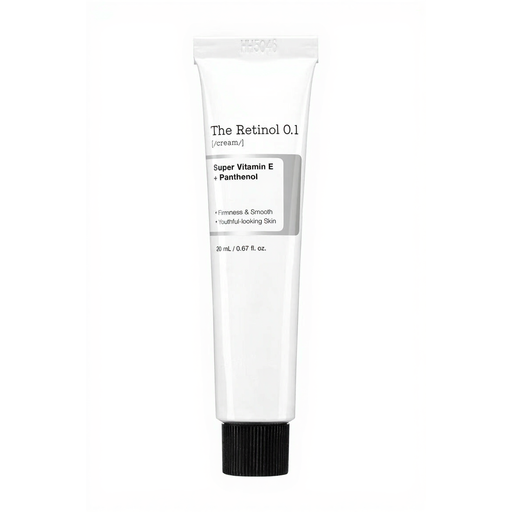
Why it suits this profile: According to the product description, this retinol cream contains 0.1% retinol and is intended for users who deliberately want to add an active anti-ageing cream to their evening routine.
The retinol concentration is clearly stated. Introduce it gradually according to the label, use sun protection during the day and carry out a small patch test first if you have sensitive skin.
20 ml; 0.1% retinol according to the product information; also contains hyaluronic acid and panthenol for a hydrated skin feel.
Wrinkles often appear more noticeable when your skin feels dry. In that case, a barrier-repairing cream may be a practical first step. According to the ingredients list, The Ceramide Skin Barrier Moisturizer contains several ceramides, squalane, panthenol and different forms of hyaluronic acid. ANUA 3 Ceramide Panthenol Moisture Barrier Cream 100 ml also lists ceramides, panthenol, ectoin and hyaluronic acid.
These products are worth considering when comfort, moisture retention and dry skin are more important to you than a highly active ingredient. Check the product page for the current formula and usage warnings.
We have put together a complete, up-to-date list of products that fully meet these strict selection criteria and the applicable European safety regulations.
Look for a rich, hydrating formula containing ingredients such as glycerine, ceramides, panthenol, squalane or hyaluronic acid. Avoid a texture that is too lightweight if your skin quickly feels tight. A cream for dry skin does not necessarily need to contain retinol.
Shelf life varies from product to product. Check the expiry date and the open-jar symbol indicating the period after opening on the packaging. Store the cream according to the instructions, close a jar or pump bottle securely and do not use a product if its scent, colour or texture has clearly changed.
That depends on the formula and your skin. Follow the brand’s directions for use and, if in doubt, start by applying it less frequently. Do not combine a retinol cream casually with several other strong active products, and stop using it if irritation persists.
