
Vandaag of morgen in huis

Kwaliteit gegarandeerd

Welkomstaanbiedingen ontgrendelen: GRATIS bezorging | Tot 80% korting | Gratis 30 dagen JoyPlus-proefperiode
Download de app
Wrinkles, fine lines, dry skin and loss of firmness don’t all call for the same cream. Yet many products make similar promises: a smoother-looking complexion, a lifting effect or long-lasting hydration. That can make it difficult to decide which anti-wrinkle face cream is really right for your skin and daily routine.
As a Joybuy Product Recommendation Officer, I focus on information you can check: skin type, when to use it, ingredients, SPF, texture and pack size. Keep an eye out for these three common pitfalls.
Words such as “lifting”, “rejuvenating” and “visibly smoother” usually describe what a product aims to do, rather than guarantee a result for everyone. Skin responds differently to ingredients, and a cream can’t literally remove a wrinkle. Hydration may temporarily make fine lines less noticeable, while sun protection helps limit exposure to UV rays.
So, read a brand’s claims in context. According to NIVEA’s own research, a study of 47 women found that Q10 Power Day Cream reduced the appearance of wrinkles after one week. This is not a guarantee for every user.
An anti-wrinkle night cream often has a richer texture and doesn’t always contain SPF. If you use one in the morning, you may also need a separate sun protection product. An anti-wrinkle day cream with SPF may be more practical for everyday use, but always check the SPF rating and follow the instructions on the packaging.
A product with lots of active ingredients isn’t necessarily a better choice. Sensitive skin may react to perfume, essential oils, acids or certain preservatives. Check the full ingredients list, especially if you’ve previously experienced redness, stinging or tightness.
For dry or mature skin, ingredients such as glycerine, shea butter, squalane, oils and hyaluronic acid are worth considering for their hydrating or soothing properties. A gel-cream with a lighter texture may suit combination or oilier skin better.
A firming face cream may be a good option if you’re looking for a plumper or smoother-looking complexion. Check that the product also contains enough moisturising ingredients. Dry skin often benefits more from a combination of hydration and a protective cream base than from a “lifting” promise alone.
Choose a morning product if you want to include a face cream with SPF in your routine. The range includes products with SPF 20, SPF 30 and SPF 50+. A higher SPF doesn’t automatically make separate sun cream unnecessary: protection also depends on how much you apply and whether you reapply it as directed.
For evening use, you could choose a richer formula, such as a hydrating anti-wrinkle cream with Q10, vitamin E or soothing oils. Apply the cream to a cleansed face, and to your neck too if the product description recommends it.
Test a new product on a small area of skin first. Stop using it if irritation occurs, and avoid contact with your eyes. If your skin is damaged or symptoms persist, it’s best to seek advice from a doctor or pharmacist rather than continue experimenting.
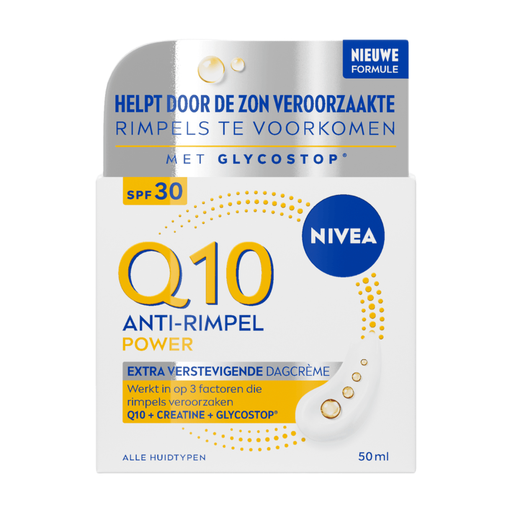
Why it suits this profile: A simple daytime routine with Q10, creatine and SPF 30, ideal if you’re trying an anti-ageing cream with sun protection for the first time.
The SPF rating and intended use are clearly stated in the product name, so you won’t accidentally buy a night cream for daytime use.
50 ml, Q10 and creatine; the product description states that it provides hydration for up to 24 hours and has SPF 30.
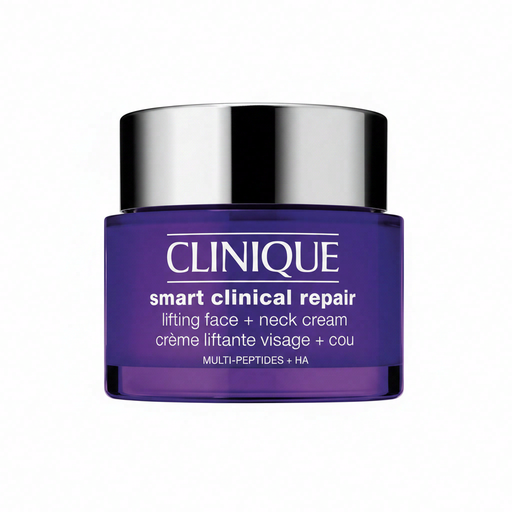
Why it suits this profile: A good choice if you’re looking for a fragrance-free cream with SPF 30 and a larger size for your face and neck.
The stated features are specific: fragrance-free, SPF 30, 75 ml and suitable for all skin types according to the product details.
Fragrance-free formula, SPF 30 and hydrating ingredients such as glycerine and sodium hyaluronate.
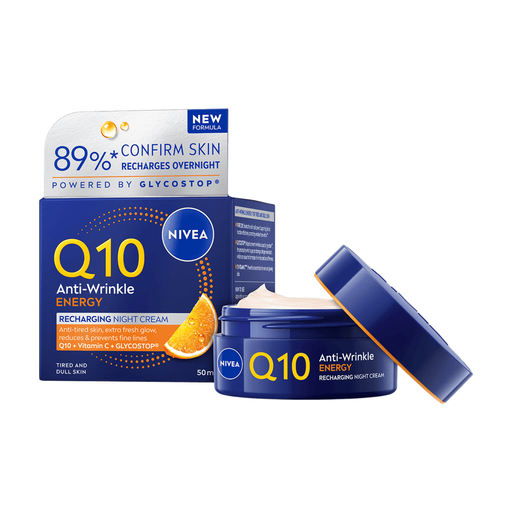
Why it suits this profile: A night cream for anyone who wants to focus on hydration in the evening and care for a tired, dull-looking complexion.
The clear ‘night cream’ label helps you avoid mistaking a richer night-time formula for a daytime product with SPF.
50 ml; the ingredients list includes glycerine, Q10, a vitamin C derivative, vitamin E and panthenol.
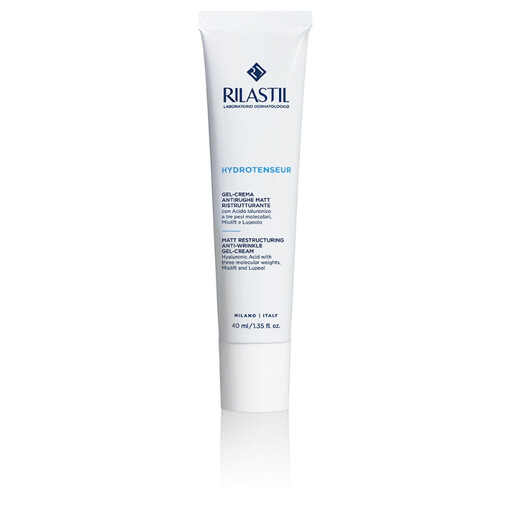
Why it suits this profile: According to the product details, this gel-cream is designed for sensitive and combination skin and can be used both morning and evening.
The gel texture may be a good alternative to a heavy cream. Check whether it contains perfume if your skin is sensitive to it.
40 ml; the ingredients list includes glycerine, sodium hyaluronate and ceramides.
We’ve put together a complete, up-to-date list of products that meet these strict selection criteria and the applicable European safety requirements.
Look for a richer cream with glycerine, shea butter, squalane, oils or hyaluronic acid. A cream for mature skin doesn’t have to feel heavy; consider the texture too, along with ingredients that leave your skin feeling comfortable. For daytime use, choose a separate SPF product or a cream that includes SPF.
Check the expiry date and the period-after-opening symbol on the packaging. Store the cream as directed, usually in a cool place away from direct sunlight. If its smell, colour or texture changes noticeably, stop using it. Only assess its effect on the appearance of your skin after using it consistently as directed, not after a single application.
A cream with SPF provides the level of protection stated on the label when you apply enough and follow the instructions. Swimming, sweating and prolonged exposure may mean you need to reapply it. For extended sun exposure, a separate sun protection product may be more practical. An SPF cream also doesn’t replace a complete skincare routine that includes cleansing and suitable hydration.
