
Vandaag of morgen in huis

Kwaliteit gegarandeerd

Welkomstaanbiedingen ontgrendelen: GRATIS bezorging | Tot 80% korting | Gratis 30 dagen JoyPlus-proefperiode
Download de app
Buying an anti-wrinkle face cream may seem straightforward, but the differences between products can be significant. Some creams focus mainly on hydration, while others contain ingredients such as retinol, vitamin C, niacinamide or bakuchiol. A higher price also does not automatically mean that a product is right for your skin.
For dry or mature skin in particular, making the wrong choice can lead to tightness, irritation or a jar that ends up sitting unused. With these practical selection points, you can compare an anti-ageing cream based on the features that really matter in everyday use.
Words such as “lifting”, “collagen” and “rejuvenating” sound appealing, but they do not always tell you how much of an ingredient is present or how the product has been tested. A collagen cream, for example, may contain collagen as a caring ingredient, without guaranteeing a change in the structure of the skin.
That is why you should check the full ingredients list and see what the manufacturer specifically states. Claims about visible results are not established facts. A brand’s own research may report certain results for some users, but these do not automatically apply to everyone.
A retinol cream, or a cream containing AHA and BHA, may be interesting if you are concerned about fine lines, uneven texture or pigmentation. At the same time, these ingredients can cause dryness or irritation for some users. If you have never used retinol before, it is particularly sensible to start slowly.
For example, advises using a small amount of the Retinol 0.1 Cream three times a week at first, gradually adjusting the frequency. The product information for the Retinol 0.3 Cream also states that it is important to use sun protection alongside it. Always follow the label and stop using the product if irritation persists.
A face cream for mature skin is not automatically suitable for every skin type from a particular age onwards. Dry skin often needs more glycerine, hyaluronic acid, shea butter or oils. Combination skin may respond better to a lighter gel cream or a fast-absorbing texture.
A day cream for women over 50 may therefore also be suitable for men or younger users with similar needs. Consider your skin type, texture, ingredients and when you plan to use the product, rather than focusing only on the age stated on the packaging.
A moisturising face cream often contains humectants such as glycerine or hyaluronic acid, which help the skin retain water. Oils, fatty alcohols and other emollient ingredients can help support the comfort of dry skin. Ingredients such as ceramide NP are designed to support the skin barrier.
You should also consider the texture. A rich cream will usually suit dry or mature skin better, while a gel or lightweight lotion may feel more comfortable on normal or combination skin. “24-hour hydration” is a brand claim; treat it as information from the product description, not as a guarantee for every user.
When it comes to retinol, check the stated concentration. The Retinol 0.1 Cream lists 0.1% retinol and, according to the product information, is aimed at users who are new to retinol. The Retinol 0.3 Cream lists 0.3% retinol and, according to the warnings, requires a cautious build-up.
Vitamin C and niacinamide are often used in products designed to promote a more even-looking complexion. AHA and BHA have an exfoliating effect according to the product description for Lifting AHA BHA Vitamin C Daily Cream. Do not combine several strong active products in the same routine without checking whether they are suitable together.
An anti-wrinkle cream is not a substitute for sunscreen. UV radiation contributes to visible skin ageing and pigmentation. If a day cream contains SPF, check the SPF rating shown on the packaging and whether you need additional sun protection for prolonged exposure.
Also pay attention to shelf life, the period after opening and the storage instructions. Retinol products in particular should generally be kept tightly closed and stored away from direct sunlight. The packaging remains the definitive source for the expiry date and recommended period of use.
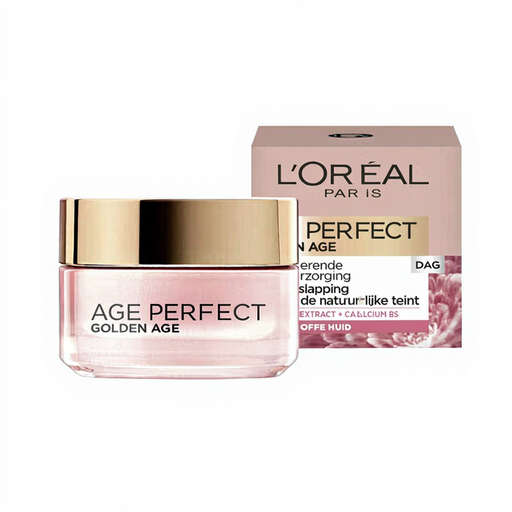
Why it suits this profile: The rich texture and daily morning application are a good fit for anyone mainly looking for comfort, nourishment and hydration without starting with retinol straight away.
The product description lists the key ingredients, including glycerine, peony and iris root extracts, and hydrating ingredients. Check the current packaging for the full ingredients list.
50 ml, developed for mature skin and intended for daily morning use on the face and neck.
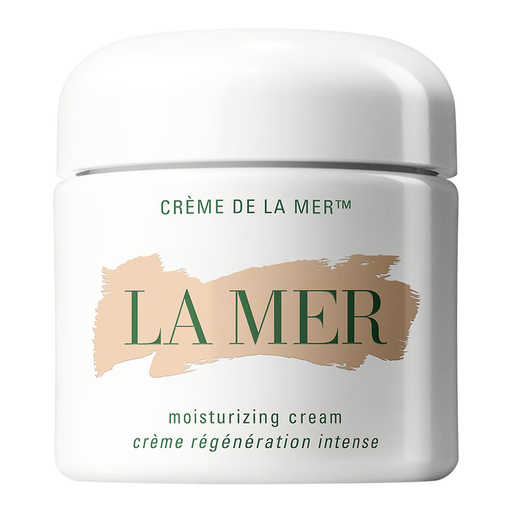
Why it suits this profile: According to the product information, this rich cream is intended for dry skin and for users looking for a more luxurious, deeply nourishing treatment for the face and neck.
The instructions recommend using a small amount and warming it between your fingertips. This helps prevent a rich cream from being applied unnecessarily thickly.
100 ml, a rich cream consistency and ingredients such as glycerine, mineral oil and petrolatum according to the stated product information.
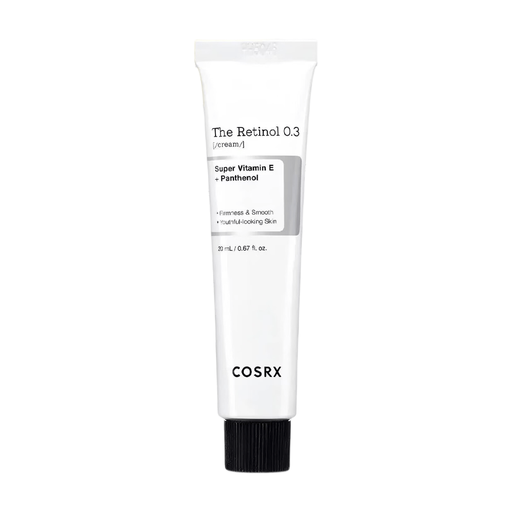
Why it suits this profile: This option is suitable for users who deliberately want to build a retinol routine and are prepared to monitor application, sun protection and their skin’s response closely.
The product information states the 0.3% retinol concentration, a gradual build-up schedule, patch testing and avoiding simultaneous use with AHA or BHA.
20 ml, 0.3% retinol, panthenol, adenosine and several forms of hyaluronic acid according to the ingredients list.
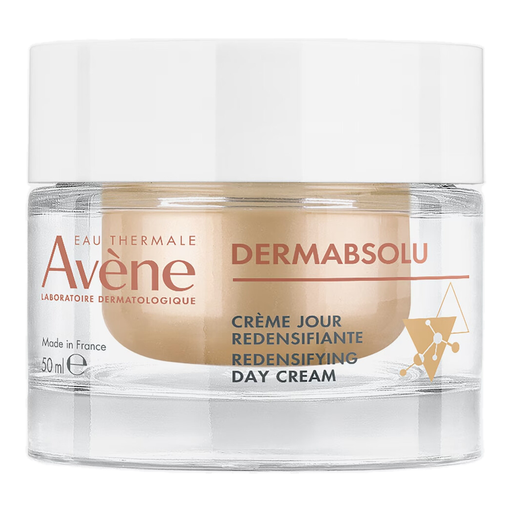
Why it suits this profile: The product information describes this cream as suitable for mature, sensitive skin in need of comfort, nourishment and hydration.
The formula lists glycerine, shea butter, hyaluronic acid and 1% bakuchiol, among other ingredients. If you have sensitive skin, always check the current ingredients list and test the product on a small area of skin first.
50 ml, intended for the face, neck and décolleté, with morning and evening use according to the product information.
We have put together a complete, up-to-date list of products that fully meet these strict selection criteria and the applicable European safety regulations.
If you have pigmentation, significant redness or persistent irritation, it is advisable to seek advice from a doctor or dermatologist. Cosmetic products are not intended to treat medical conditions.
This depends on the size of the product and how much you use each time. A 50 ml jar can last from several weeks to a few months with daily use. Always check the jar for the symbol indicating the period after opening and follow the expiry date on the packaging.
No. Retinol can cause dryness, redness or irritation for some people. Start with a low concentration and use it infrequently at first. Wear sun protection during the day. According to the product warning for Retinol 0.3, medical advice is recommended during pregnancy or breastfeeding.
Look for a rich, soothing formula containing ingredients such as glycerine, hyaluronic acid, shea butter, ceramides or oils. A firming face cream may also contain ingredients that, according to the product description, are intended to support the appearance of elasticity and firmness. Above all, choose a texture that feels comfortable and that you will use consistently.
