
Vandaag of morgen in huis

Kwaliteit gegarandeerd

Welkomstaanbiedingen ontgrendelen: GRATIS bezorging | Tot 80% korting | Gratis 30 dagen JoyPlus-proefperiode
Download de app
Buying an anti-wrinkle cream might seem straightforward, but the differences between products are often in the details. A pot labelled “lifting”, “filler” or “cellular” doesn’t automatically tell you whether the formula suits your skin. From around age 35, many shoppers start to notice fine lines, dryness, loss of firmness and a tight feeling. The right choice begins not with the promise on the front, but with the ingredients, when to use it, and how well it works with your skin.
Words like “visibly younger”, “instant lifting” and “wrinkle correction” are often based on the product description or a brand’s own studies. According to NIVEA’s own research, some Cellular products are described as giving a fuller or smoother appearance; certain claims state they have been tested in vitro. That is not the same as a guaranteed result for every user.
A cream can temporarily make the skin feel smoother thanks to hydration and a softening texture. That does not mean deep wrinkles will disappear. So be sure to compare verifiable product details: ingredients, volume, SPF, fragrances, usage advice and suitability for your skin type.
A day cream with SPF 15 or SPF 30 can be handy for daily use, but the level of protection also depends on how much you apply and whether you reapply. For prolonged sun exposure, exercise or trips to the beach, a separate sunscreen is usually more practical. An SPF face cream is therefore part of your routine, not a reason to skip other sun protection.
Retinol, glycolic acid and heavily fragranced formulas are not automatically suitable for every skin type. A retinol cream such as The Retinol 0.1 Cream contains 0.1% retinol according to the product information. With products like these, start gently, follow the label instructions and stop if irritation occurs. A hydrating anti-ageing cream without retinol can also be a more sensible starting point if your skin reacts quickly.
Don’t just look at the name “anti-ageing face cream” – look at the formula:
Also watch out for perfume, alcohol and colourants. These ingredients aren’t necessarily bad, but they may be less suitable if your skin reacts sensitively.
An anti-ageing day cream often has a lighter texture and may contain SPF. The NIVEA Cellular Expert Lift Anti-Age Day Cream has SPF 30, bakuchiol and two types of hyaluronic acid according to the product information. The NIVEA Cellular Expert Filler Day Cream is available with SPF 15 and SPF 30 and contains hyaluronic acid, folic acid and creatine among its ingredients.
An anti-ageing night cream doesn’t need to contain SPF and is usually richer. The NIVEA Cellular Expert Lift Anti-Age Night Cream and NIVEA Cellular Expert Filler Anti-Age Night Cream are designed for evening use. A rich texture is pleasant for dry or mature skin, but can feel heavy on oily skin.
A pot of 40, 50 or 75 ml doesn’t tell you much about how long it will last without knowing how much you use each time. Apply a thin, even layer to your face and neck and follow the instructions on the packaging. Compare the price per 10 ml rather than just per pot.
For sensitive skin, a fragrance-free formula and clear warnings are useful selection criteria. Clinique Smart Clinical Repair is fragrance-free according to the product information, designed for face and neck, and suitable for different skin types. Check the current packaging, as ingredients and product information can change between batches or markets.
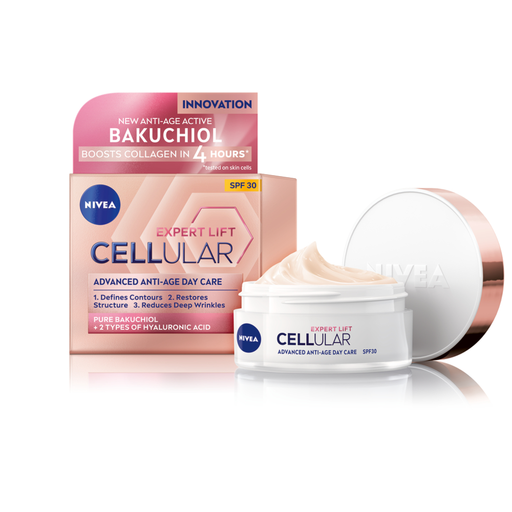
Why it fits this profile: A practical day cream for anyone looking for one product that offers hydration, anti-ageing ingredients and SPF 30.
The product information clearly states SPF 30, bakuchiol and two types of hyaluronic acid, so you’re not relying on a vague anti-wrinkle claim alone.
50 ml, suitable for all skin types according to the product information, and includes UVA/UVB filters with SPF 30.
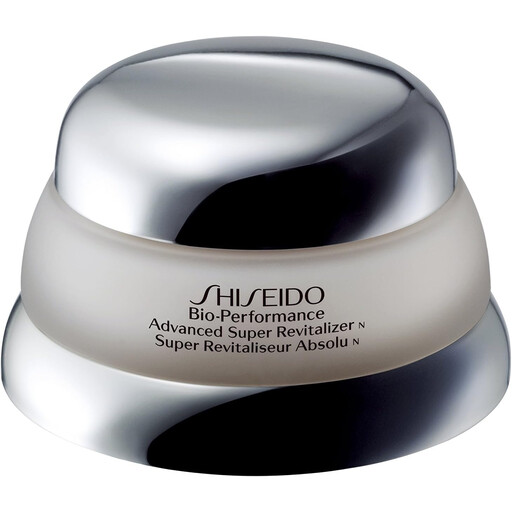
Why it fits this profile: An option for anyone wanting a richer face cream who particularly values texture and a pampering evening ritual.
The choice here isn’t about SPF or an active ingredient; it’s about checking the full product description and the intended time of use.
50 ml and positioned for intensive facial care; check the current ingredients and usage instructions before buying.
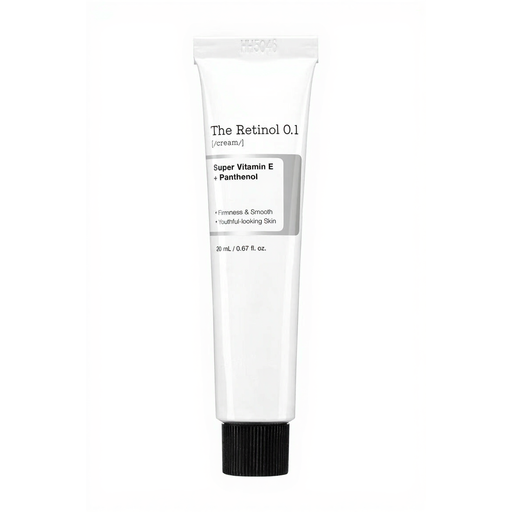
Why it fits this profile: Suitable for anyone who wants to consciously incorporate a retinol cream and is prepared to build up their routine gradually.
The 0.1% retinol concentration is stated in the product information. This allows you to compare a specific ingredient rather than just a general anti-ageing promise.
20 ml, with retinol and, according to the product description, hydrating ingredients such as hyaluronic acid and panthenol.
We’ve put together a full, up-to-date list of products that fully meet these strict selection criteria and comply with current European safety regulations.
A cream can hydrate the skin, make it feel softer and temporarily make fine lines less noticeable. The result varies from person to person and depends on skin type, formula and usage. Brand promises are no guarantee. So check whether claims are backed by a clear source, such as the brand’s own research or an in vitro test.
Use a cream as long as it smells fine, looks normal and falls within the expiry or PAO date on the packaging. Store the product in a cool place away from direct sunlight. With a retinol cream or a product containing acids, it’s wise to build up the frequency slowly and stop if irritation occurs.
Not always. An anti-ageing day cream is handy when you want SPF and a lighter texture. An anti-ageing night cream can be appealing if your skin prefers more nourishment or a richer texture in the evening. Choose based on how your skin feels, your routine and the ingredients; two products aren’t essential for an effective daily skincare regimen.
