
Vandaag of morgen in huis

Kwaliteit gegarandeerd

Welkomstaanbiedingen ontgrendelen: GRATIS bezorging | Tot 80% korting | Gratis 30 dagen JoyPlus-proefperiode
Download de app
Buying an anti-wrinkle cream seems straightforward, until you’re faced with dozens of pots and tubes all making similar promises. One cream targets fine lines, another focuses on hydration, firmness or a dull complexion. Yet a striking claim means little if the cream doesn’t suit your skin type or daily routine.
As a Joybuy Product Recommendation Officer, I filter product information by verifiable points, such as ingredients, SPF, time of use and stated skin type. That way, you avoid paying mostly for marketing language.
Terms like “lifting”, “firming” and “visibly younger” often describe a brand’s positioning. They are not a guarantee for every skin type. According to NIVEA’s own research, the Q10 Energy Day Cream is said to reduce fine lines after two weeks; the product information notes that this was tested in vitro on skin cells. That is different from a guaranteed result with daily use by every consumer.
So look for what is actually verifiable:
A day cream with SPF can be handy for daily use, but the level of protection depends on the amount applied and reapplication. A cream with SPF 15 or SPF 30 does not automatically replace a separate sunscreen during prolonged exposure, exercise or sunny days.
The Eucerin Hyaluron-Filler + elasticity rosé day cream and the L’Oréal Paris Revitalift Anti-Wrinkle Day Cream both state SPF 30 in their product information. NIVEA Q10 Energy and NIVEA Essentials Hydrating list SPF 15. So don’t choose based solely on the term “anti-wrinkle”; also consider your expected sun exposure.
A rich cream can feel lovely on dry or mature skin, but it may feel heavy during the day, especially under make-up. A gel-cream or light lotion often suits combination or oilier skin better. Also check for fragrance, alcohol and known allergens if you have sensitive skin. Always test a new product on a small area first and stop if irritation occurs.
For hydration, you’ll often see glycerine, hyaluronic acid or sodium hyaluronate in the ingredients list. A hyaluronic acid face cream can therefore be a good choice if tightness or dryness is your main concern. NIVEA Essentials Hydrating lists glycerine, aloe vera and sodium hyaluronate among its ingredients.
A vitamin C cream may suit those who want to address a dull complexion. NIVEA Q10 Energy contains sodium ascorbyl phosphate, a form of vitamin C, according to its ingredients list. Babor Complex C 24H Cream mentions vitamins C, A and E in the product description and retinyl palmitate in the ingredients list. If you have sensitive skin, always check the full formulation.
Peptides, retinol or vitamin A derivatives, and Q10 also appear in anti-ageing formulas. According to the product information, Clinique Smart Clinical Repair contains multi-peptides and hyaluronic acid. The L’Oréal Revitalift product information mentions Pro-retinol A. These listings tell you which ingredients are present, but they are not a medical claim or a guarantee of wrinkle reduction.
Use this practical guide:
An anti-wrinkle day cream is usually applied in the morning to a cleansed face and optionally the neck. A night cream does not need to contain SPF, but can be richer. When using a product with a sun filter, apply enough and follow the usage instructions on the packaging. Avoid contact with the eyes and check the expiry or period-after-opening information.
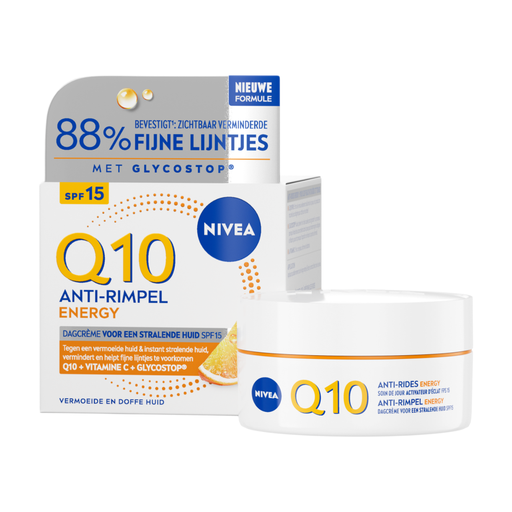
Why this fits the profile: A practical day cream for those who want to combine hydration, Q10, vitamin C and a light SPF in one daily step.
The product information states SPF 15 and the ingredients list includes Q10 and sodium ascorbyl phosphate. Do check whether additional sun protection is needed.
50 ml, intended as a day cream, with glycerine, Q10, vitamin C derivative and SPF 15 according to the product data.
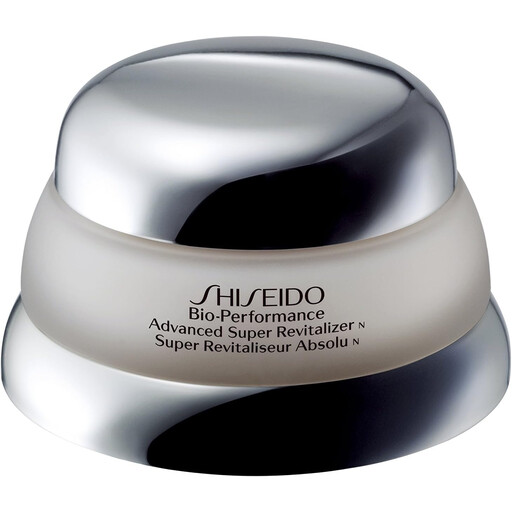
Why this fits the profile: Suitable for those seeking a luxury skincare product and willing to pay extra attention to texture, routine and skin comfort.
The selection is based on the stated product type and size, not on unproven result claims. Always check the current ingredients list on the packaging.
A 50 ml face cream from the Future Solution LX line, intended for comprehensive daily care.
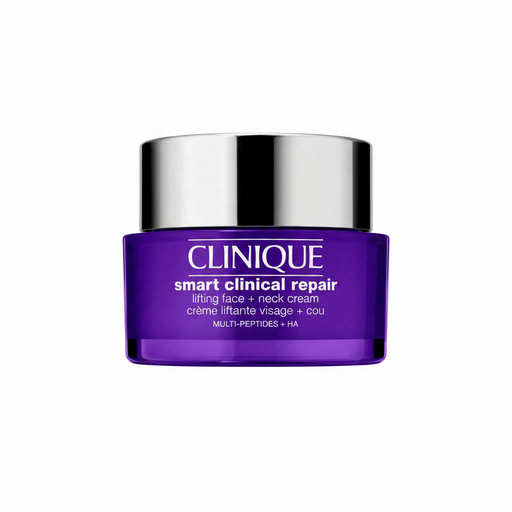
Why this fits the profile: A logical choice for users who want to care for both face and neck together and value a fragrance-free formula.
The product data states it is fragrance-free, suitable for sensitive skin and for use on face and neck. This makes its application clearer than with a cream that does not specify an area of use.
50 ml, multi-peptides and hyaluronic acid according to the product description, for use in the morning and evening.
We’ve put together a full, up-to-date list of products that fully meet these strict selection criteria and comply with current European safety regulations.
Cleanse your face, pat the skin dry and apply a small amount to your face and neck. Massage gently without pulling the skin. During the day, use a product with SPF or add a suitable sunscreen if you’ll be outside for longer.
That depends on how much you use each time and how often you apply the cream. A 50 ml pot typically lasts several weeks to a few months with daily use. Always follow the information on the packaging and stop using a product if the smell, colour or texture changes noticeably.
No. The price does not automatically reflect how suitable it is for your skin. Compare the ingredients list, size, SPF, fragrance, texture and stated use. An affordable anti-wrinkle day cream can be sufficient for daily hydration, while a richer cream may be better suited to dry skin or a more extensive evening routine.
