
Vandaag of morgen in huis

Kwaliteit gegarandeerd

Welkomstaanbiedingen ontgrendelen: GRATIS bezorging | Tot 80% korting | Gratis 30 dagen JoyPlus-proefperiode
Download de app
Wrinkles, fine lines and dry skin are normal visible changes. Even so, choosing the right anti-wrinkle face cream from the many options available can be tricky. A high price, a well-known brand name or a promise of quick results doesn’t, on its own, tell you whether a product is right for your skin.
Pay particular attention to the ingredients list, when to use the product and which skin types it’s intended for. This can help you avoid buying a cream that’s too strong, doesn’t provide enough hydration or ends up unused in your bathroom after a few weeks.
Words such as “lifting”, “rejuvenating” or “boosts collagen” often describe how a product is marketed. They don’t guarantee the same results for everyone. Percentages or claims about how quickly results appear may also be based on a specific test group and set of usage instructions, according to a brand’s own research.
A face cream for wrinkles can make your skin feel temporarily smoother thanks to hydrating ingredients. That doesn’t automatically mean deep wrinkles will disappear. So focus on the full ingredients list, texture and instructions.
Retinol, retinyl palmitate and acids such as glycolic acid may be worth considering in a cream for fine lines, but they won’t automatically suit every routine. Sensitive skin may react to using a product too often, fragrance or combining several active products.
If you’re starting with a retinol cream, choose a low concentration and follow the instructions on the label. It’s a good idea to do a patch test. Stop using the product if you experience persistent redness, itching or a burning sensation, and ask a doctor or pharmacist for advice if you’re unsure.
An anti-ageing face cream with SPF can help simplify your morning routine. However, check the level of protection shown on the packaging. An anti-wrinkle day cream with SPF 20 or SPF 30 may not replace a generous application of sunscreen, especially if you’re spending a long time in the sun.
The order of the ingredients usually gives you an idea of how much of each is in the product, but it doesn’t tell you everything about how well it will work. Always follow the information on the current packaging, as formulas can change.
A rich cream is often a better fit for dry or mature skin, while a gel cream may feel more comfortable on combination skin. If your T-zone tends to get shiny, look for terms such as “gel”, “lightweight” or “non-comedogenic”. These describe product properties; they don’t guarantee that every skin type will react in the same way.
For a cream for mature skin, comfort, enough lipids and a simple routine are often more important than a long list of active ingredients. Sensitive skin usually benefits from introducing products gradually and avoiding several new products at once.
A night cream for wrinkles sometimes contains retinol or acids, or has a richer texture. A day cream is generally lighter and may contain SPF. Also check the size: a 20 ml pot may work out cheaper or more expensive per use than a 50 ml tube, depending on how much you need.
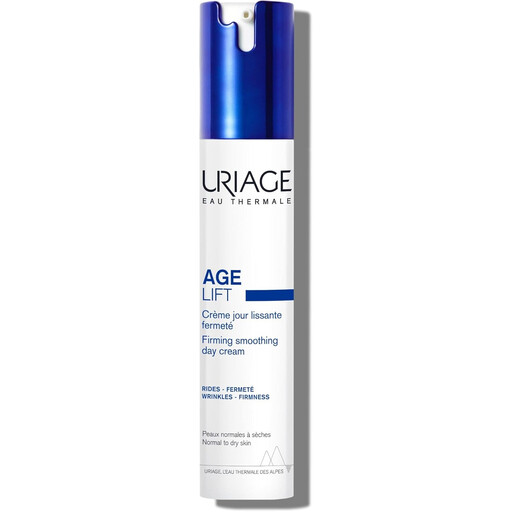
Why it suits this profile: According to the product information, this cream combines retinol, hyaluronic acid and shea butter. It’s listed as suitable for normal, dry and sensitive skin.
The product information says you can reduce how often you use it if irritation occurs. That’s more useful than relying on a general anti-ageing claim alone.
40 ml; listed in the product specifications as fragrance-free, non-comedogenic and suitable for sensitive skin.
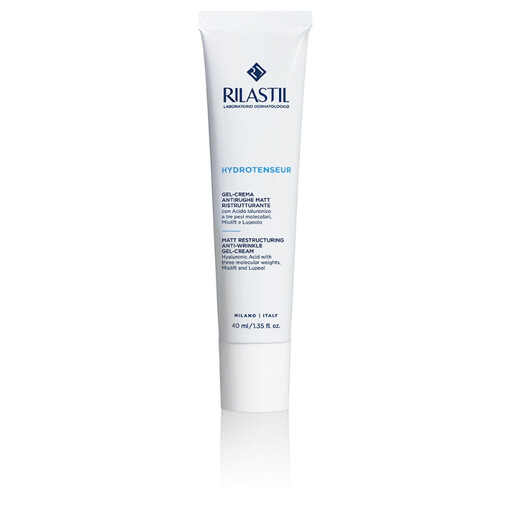
Why it suits this profile: According to the product specifications, this lightweight gel cream is aimed at sensitive and combination skin. It’s a good fit if you want hydration without a heavy texture.
The gel-cream texture and its stated suitability for combination skin make it a more specific choice than a general promise for all skin types.
40 ml; contains sodium hyaluronate and several ceramides according to the ingredients list; suitable for day and night.
We’ve put together a complete, up-to-date list of products that meet these strict selection criteria and the applicable European safety requirements.
A cream can hydrate your skin, which may make it look temporarily smoother. However, the visibility of deep wrinkles can vary from person to person. So you shouldn’t view a cosmetic product as a guarantee that wrinkles will disappear.
That depends on the expiry information on the packaging and the period-after-opening symbol. Store the cream as instructed, close the packaging properly and look out for changes in smell, colour or texture. According to the product information, correct storage is especially important for retinol products.
Often, yes. Retinol is generally used in the evening, while a hydrating day cream with SPF can be used in the morning. Don’t combine retinol with several acids or other retinoids without preparing your skin first. Always check the label and build up use gradually.
