
Vandaag of morgen in huis

Kwaliteit gegarandeerd

Welkomstaanbiedingen ontgrendelen: GRATIS bezorging | Tot 80% korting | Gratis 30 dagen JoyPlus-proefperiode
Download de app
The search for a good anti-wrinkle cream can feel like navigating a maze. Jars promise the world, ingredient lists are indecipherable, and prices vary wildly. How do you know if you're buying an effective product or mostly paying for beautiful packaging and clever marketing?
As a Joybuy Product Recommendation Officer, I'm here to help you cut through the noise. We won't look at the promises, but at the facts. Let's expose the two most common pitfalls so you can make an informed choice.
To avoid a bad purchase, it's useful to know what to look for. Focus on these three practical points instead of marketing claims.
Don't be distracted by complex names. A handful of ingredients have proven benefits in skincare. For example, a good cream with hyaluronic acid helps to retain moisture, making the skin look fuller and smoother. Coenzyme Q10 is an antioxidant that occurs naturally in the skin and helps to protect and energise skin cells. A Q10 cream is therefore a popular choice.
Other beneficial substances include:
Your skin has different needs during the day than it does at night.
Additionally, there is specialised care, such as an eye cream for puffiness and wrinkles. The skin around the eyes is thinner and more sensitive, requiring a tailored formula.
Not every cream is suitable for everyone. Do you have dry, mature skin? Then you will benefit from a richer, more nourishing formula. For combination or oilier skin, a lighter texture is often more pleasant. If you have sensitive skin, opt for a product without perfume and with calming ingredients.
Based on objective specifications and various user profiles, we have highlighted a number of products that could be a smart choice.
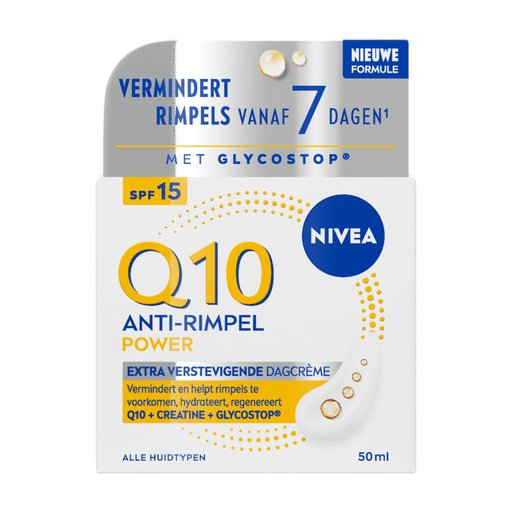
Why This Fits Their Persona: This is a reliable day cream that hydrates, tackles wrinkles, and provides basic sun protection. No frills, just a solid product for daily use from a well-known brand. Ideal for those who want an effective and affordable routine.
Focuses on proven ingredients like Q10 and creatine without charging a premium for luxury packaging. You pay for the contents, not the container.
The combination of anti-wrinkle action and SPF 15 in one jar makes it ideal for a quick and efficient morning routine.
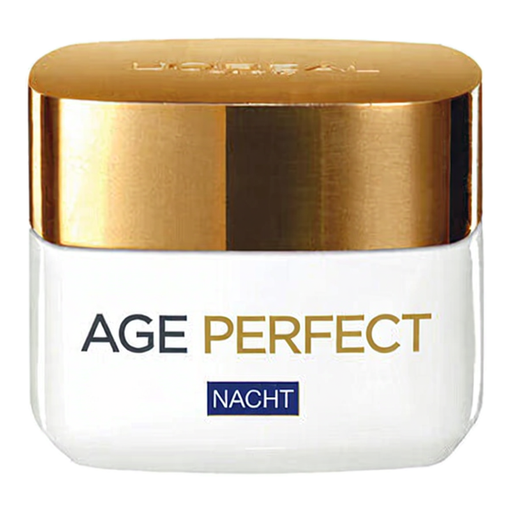
Why This Fits Their Persona: Specifically developed for mature skin (50+) that needs extra nourishment and repair at night. The formula is designed to strengthen the skin and address pigmentation spots while you sleep.
This is not a 'one-size-fits-all' cream, but a targeted product for a specific need (night-time repair for mature skin). You are investing in a purpose-driven formula.
The rich, nourishing texture works all night to restore firmness and reduce the appearance of dark spots, according to L'Oréal's product description.
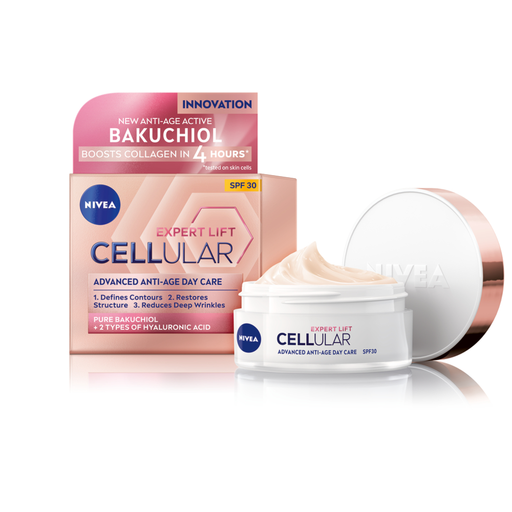
Why This Fits Their Persona: For those seeking more than just basic care. The formula with Bakuchiol and two types of hyaluronic acid focuses on firming facial contours and reducing deeper wrinkles, combined with higher sun protection.
Delivers advanced ingredients often found in more expensive segments, but in an accessible product. The focus is on cellular action, not on vague promises.
Contains pure Bakuchiol for collagen support and SPF 30 for robust protection against UVA/UVB radiation, which helps prevent further skin ageing.
We have compiled a complete, up-to-date list of products that meet these objective selection criteria and current regulations.
There is no fixed age. Skin ageing is influenced by genetics and lifestyle. Many people start using products aimed at preventing the first signs of ageing around their 30s. However, a hydrating cream and daily SPF are a good idea at any age.
Both are popular but have different primary functions. Hyaluronic acid is a humectant; it attracts and holds water, which hydrates the skin and plumps up fine lines. Q10 is an antioxidant that helps protect skin cells from damage and supports energy production within the cells. Many creams combine both ingredients for a broad-spectrum effect.
Yes, it is highly recommended. UVA rays, which contribute to skin ageing, are present all year round, even on cloudy days and in winter. Using a cream with at least SPF 15 daily is one of the most effective steps you can take to slow down wrinkle formation.
