
Vandaag of morgen in huis

Kwaliteit gegarandeerd

Welkomstaanbiedingen ontgrendelen: GRATIS bezorging | Tot 80% korting | Gratis 30 dagen JoyPlus-proefperiode
Download de app
A sliding rug in the hallway, a washing machine that "walks" during the spin cycle, or scratches on your new laminate from an office chair. These are common problems that a simple anti-slip mat can solve. However, choosing the right mat isn't always straightforward. Many products over-promise and under-deliver, causing you to waste money while the problem persists.
Before you make a purchase, it's wise to know the pitfalls. Common bad buys are often the result of:
anti-slip underlay will bunch up and fold over under a rug, creating a new tripping hazard instead of solving one.anti-slip washing machine mat requires a completely different density and weight than a small mat for under a cutting board.By paying attention to a few key specifications, you can avoid these disappointments and choose a product that truly works for your situation.
An effective anti-slip mat is more than just a piece of rubber. Its functionality is determined by the material, thickness, and suitability for the specific application.
The material is the most important factor. The most common options are PVC, rubber, and felt, each with its own pros and cons.
anti-slip underlay for rugs. It is flexible and often easy to cut to size.floor protector under furniture. The soft felt protects the floor from scratches, while the anti-slip backing prevents shifting.The thickness and dimensions are directly linked to the application. A thin 2-3 mm mat is fine for under a runner, but an anti-slip washing machine mat needs a thickness of at least 6 mm to effectively absorb vibrations. Also, check if the mat can be supplied as a custom-cut mat. For a rug, you want the underlay to be about 5-10 cm smaller than the rug itself, so it remains invisible.
Always read the product information to check if the mat is suitable for your type of floor. Certain plasticisers in cheaper PVC mats can react with lacquered wooden floors or vinyl. A good mat will specify for which surfaces it is safe to use. Also, consider maintenance: can the mat be easily wiped with a damp cloth, or does it require special cleaning?
Based on these criteria, we have selected a number of products that suit different user profiles and needs.
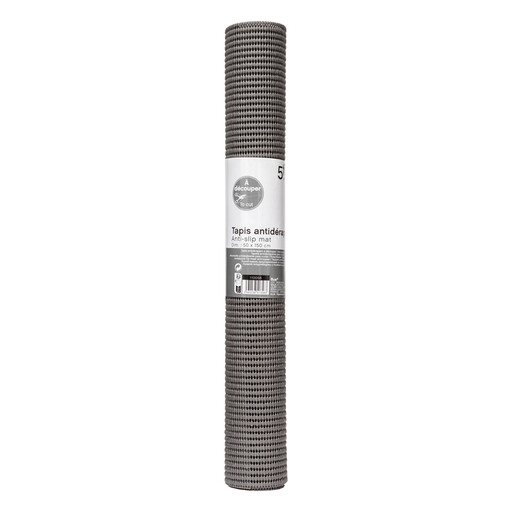
Why it's a match: Ideal for those seeking a simple and effective solution for sliding rugs and runners on hard floors. A no-nonsense product for a common household problem.
This mat is made of PVC with an open structure, specifically designed for grip on hard floors. Because it can be cut to size, you prevent the underlay from being too large or too small.
Versatile and customisable. Suitable for various sizes of rugs and runners thanks to the ability to cut the mat to size yourself.
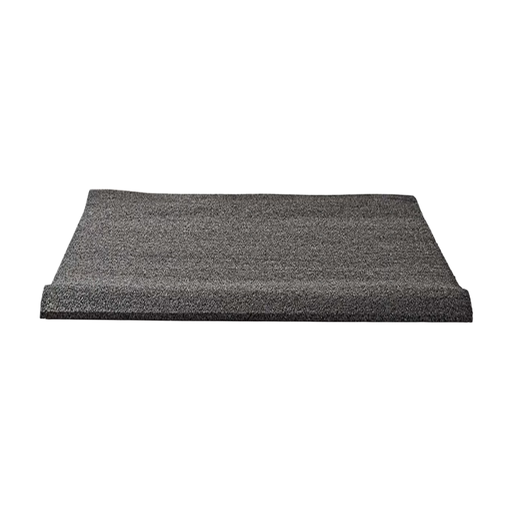
Why it's a match: Perfect for those living in an apartment who want to reduce the vibrations and noise from a washing machine or dryer, for their own comfort and that of their neighbours.
This is not a light, thin mat. The 6 mm thick rubber mat has the density and weight needed to actually absorb vibrations, unlike a generic anti-slip mat.
Specifically designed for vibration and noise reduction. The heavy rubber also protects the floor from scratches and dents caused by the weight of the appliance.
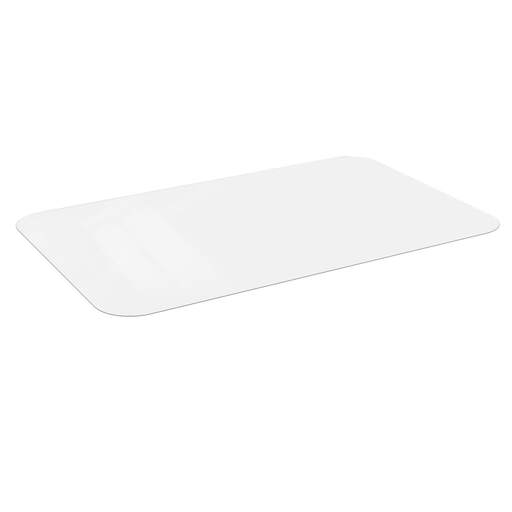
Why it's a match: A functional `floor protector` for anyone with a home office who wants to protect their laminate, parquet, or carpet from the wear and tear of office chair casters.
This product is made of durable PVC that is resistant to tearing and scratching. The special texture on the underside helps reduce shifting, a problem with cheaper, smooth mats.
Durable and multifunctional. It protects the floor, and the anti-slip surface on top ensures the office chair can roll smoothly without sliding away.
We have compiled a complete, up-to-date list of products that meet these selection criteria and current regulations.
In some cases, yes. Certain materials, particularly PVC or rubber, can have a chemical reaction with the finish of floors like vinyl, linoleum, or lacquered parquet. Over time, this can lead to discolouration. Always check the product information for floor compatibility and, if in doubt, test it on an inconspicuous spot.
Start with a clean, dry, and dust-free floor. This ensures maximum grip. A heavier mat, such as a thick rubber mat, will stay in place better due to its own weight. For very light PVC grid mats, it can help to secure the corners with a small piece of double-sided carpet tape, but first check if this is safe for your floor.
For most PVC underlays, a sturdy pair of scissors or a utility knife will suffice. Measure the dimensions of your rug and subtract 5 to 10 centimetres from all sides. This ensures the underlay is not visible. Mark the dimensions on the mat and carefully cut it on a protected surface.
