
Vandaag of morgen in huis

Kwaliteit gegarandeerd

Welkomstaanbiedingen ontgrendelen: GRATIS bezorging | Tot 80% korting | Gratis 30 dagen JoyPlus-proefperiode
Download de app
A good anti-slip mat seems like a simple purchase, until you have one at home that shifts with every step or looks grimy after just a week. Many mats promise more than they deliver. Before you make a choice, it's helpful to know the common pitfalls. This way, you can avoid wasting money on a product that causes more frustration than convenience.
The most common problems can often be traced back to three points:
droogloopmat (absorbent doormat) that is too thick can cause the front door to jam.A mat is more than just a piece of fabric; it's a functional item that should provide safety and convenience. Whether you're looking for a afdruipmat (draining mat) for the kitchen, a safe speelkleed kinderkamer (nursery play mat), or a robust deurmat (doormat).
To avoid a bad buy, it's smart to focus on a few concrete specifications rather than marketing promises. These features determine whether a mat will do its job well.
The effectiveness of an antislip mat depends entirely on its backing. This is where you'll notice the difference between a mat that stays put and one that wanders around the room.
keukenmat (kitchen mat) or afdruipmat (draining mat).droogloopmat (absorbent doormat) or deurmat (doormat) that must not shift, even with heavy use.A heavier mat generally stays in place better. Check the product weight (often indicated in g/m?) to get an idea of its stability.
The top layer determines what the mat is best suited for and how you should maintain it.
deurmat (doormat) or droogloopmat (absorbent doormat). This material is often easy to clean by hosing it down.decoratief vloerkleed (decorative rug) or a speelkleed kinderkamer (nursery play mat). These materials require more specific maintenance, such as vacuuming on a low setting or spot cleaning. A fully wasbare mat (washable mat) of this material is rarer.afdruipmat (draining mat), the surface is waterproof and very easy to clean with a cloth.Always check the washing instructions. A wasbare mat (washable mat) is a practical choice for areas that get dirty quickly, like the kitchen or hallway.
Not everyone needs the same mat. Below are a few options, tailored to specific living situations and preferences.
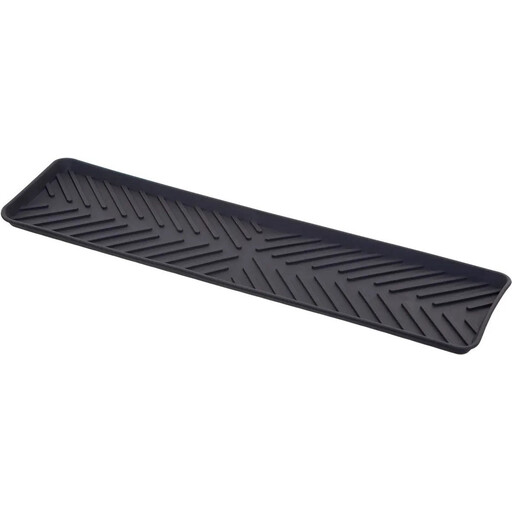
Why This Fits Their Persona: Ideal for those with limited countertop space, such as in an apartment, caravan, or holiday home. This narrow draining mat fits perfectly in the unused space between the sink and the wall, eliminating the need for a clumsy dish rack.
The TPE/TPR material provides a reliable non-slip grip on a wet countertop, unlike hard plastic mats that slide around. The raised edges prevent water from running onto the counter.
Compact and easy to store. After use, you can roll it up and it fits in a kitchen drawer. The material is easy to rinse off and dries quickly.
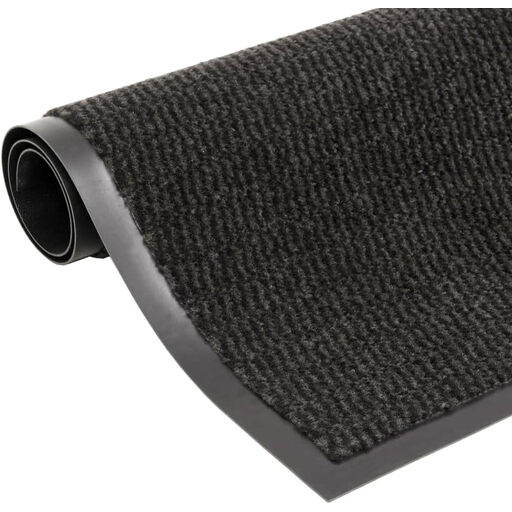
Why This Fits Their Persona: For those seeking a robust and effective doormat that keeps dirt and moisture outside. This is a classic absorbent doormat that does what it's supposed to do: keep the floor clean and dry, and prevent slips at the entrance.
Thanks to its high weight (1,960 g/m?) and non-slip backing, this mat stays firmly in place. The tufted polypropylene is durable and mould-resistant, unlike decorative mats that wear out quickly.
Very low-maintenance. According to the manufacturer vidaXL, the mat can be easily hosed down with a garden hose to remove dirt. The low pile height (5.5 mm) ensures that most doors can pass over it without a problem.
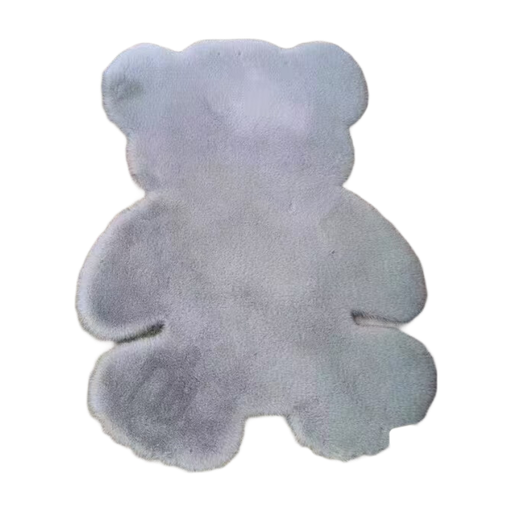
Why This Fits Their Persona: Perfect for parents who want to furnish a nursery or play area with an item that is both functional and stylish. This soft, bear-shaped rug is an ideal play mat and a charming decorative rug next to a bed or in a reading nook.
This rug combines a soft top with a functional, sturdy non-slip backing. This ensures it stays safely in place during playtime, a common problem with decorative children's rugs.
Soft and comfortable. According to the manufacturer, the faux rabbit fur feels very soft, making it a comfortable spot for children to sit and play. It's a small rug that creates a warm and playful atmosphere.
We have compiled a complete, up-to-date list of products that meet these selection criteria and current safety regulations.
Make sure the floor underneath the mat is completely clean and dry. Dust, dirt, or moisture can reduce the grip of even the best anti-slip backing. For lightweight rugs on very smooth floors, a separate anti-slip underlay can provide extra stability.
This depends on its use. A deurmat (doormat) in a busy household might need to be shaken out or vacuumed weekly and deep-cleaned monthly. A keukenmat (kitchen mat) or afdruipmat (draining mat) is best cleaned after each use or daily to remain hygienic. Always follow the manufacturer's specific washing instructions.
This varies by product. Mats with a thick rubber or latex backing can insulate heat and are sometimes not suitable for underfloor heating. Always check the manufacturer's product information. Materials like TPE/TPR or thinner woven rugs are more often suitable.
