
Vandaag of morgen in huis

Kwaliteit gegarandeerd

Welkomstaanbiedingen ontgrendelen: GRATIS bezorging | Tot 80% korting | Gratis 30 dagen JoyPlus-proefperiode
Download de app
A curling rug in the hallway, scratches on your new laminate floor from an office chair, or your phone sliding across the dashboard with every turn. These are small, daily annoyances that are easy to solve. A good anti-slip mat is often the solution, but the wrong choice can make the problem worse.
Many mats make lofty promises but come loose, crumble, or even leave a sticky residue after just a few months. Before you make a purchase, it's wise to know what to look for. We'll discuss the most common pitfalls and how to avoid them.
To avoid a bad purchase, it's helpful to look at a few objective features. These specifications determine whether a mat is right for your situation.
The material is the most important factor. The most common options are:
The thickness and texture should match the intended use. For a thin rug or a runner, you'll want a thin, discreet mat of 1-3 mm. For a heavy area rug, a slightly thicker mat with a denser structure may be necessary. An office chair mat is typically a solid, rigid sheet that distributes the pressure from the casters.
Measure the dimensions of your rug or the area you want to protect. An anti-slip mat should ideally be 5-10 cm smaller than the rug on all sides so it isn't visible. Many mats on a roll can be cut to size yourself. For specific shapes or dimensions, cutting an anti-slip mat to size is the easiest solution.
Based on these practical criteria, we have selected a few products that suit different user profiles.
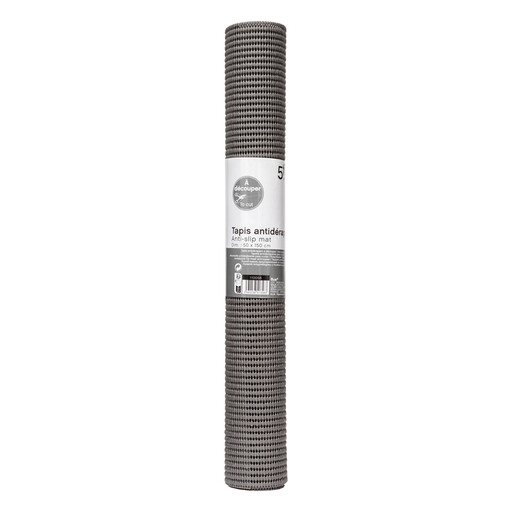
Why This Fits Their Persona: Ideal for anyone concerned about sliding rugs or runners in the home, especially in households with children or the elderly. A practical solution for more stability in the living room, hallway, or bathroom.
This is a specific rug underlay, not a generic mat. It avoids the 'one-size-fits-all' pitfall by offering a thin profile that doesn't cause bunching under a rug.
Made of PVC for grip on smooth floors. Easy to cut to the desired size with scissors for a perfect fit.
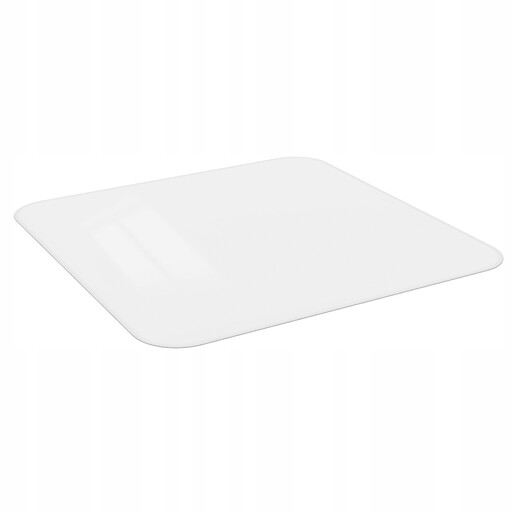
Why This Fits Their Persona: Perfect for the remote or office worker who wants to protect their laminate, parquet, or carpeted floor from the daily wear and tear of office chair casters.
This is a purpose-built floor protector, not a simple anti-slip mat. It addresses the specific problem of wear and tear. According to the manufacturer, the material is tear and scratch-resistant, which avoids the 'you get what you pay for' trap.
A robust and flat surface that allows the chair to roll easily. The special texture on the underside helps keep the mat in place on various surfaces.
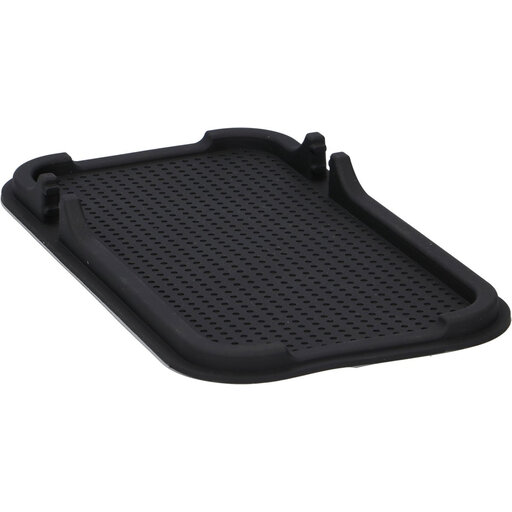
Why This Fits Their Persona: For anyone who wants to keep their phone, sunglasses, or keys securely on the dashboard without them flying across the car at the first roundabout. A simple, effective solution for on the go.
This is a specific automotive anti-slip mat. It avoids the pitfall of using the wrong material that could melt in the sun or damage the dashboard.
Compact size, specially designed for dashboards. According to the product description, the PVC material provides a strong grip without leaving a sticky residue.
We have compiled a complete, up-to-date list of products that meet these selection criteria and comply with current safety regulations.
That depends on the material. Most PVC mats, like a rug underlay or dashboard mat, are best cleaned with a damp cloth. They can lose their texture and grip in the washing machine. Always consult the manufacturer's care instructions for the specific product.
The lifespan is determined by the quality of the material and the intensity of use. A rug underlay beneath a rug in a low-traffic area can last for years. An office chair mat used heavily every day will show signs of wear more quickly. Replace the mat as soon as you notice the grip diminishing, the material starting to crumble, or any damage appearing.
No, this is a critical point to consider. Not all materials can withstand the constant heat from underfloor heating. Some plastics can discolour, become brittle, or even have a chemical reaction with your floor. Explicitly check the product details to see if the mat is suitable for use with underfloor heating. If it's not mentioned, it's best to assume it is not suitable.
