
Vandaag of morgen in huis

Kwaliteit gegarandeerd

Welkomstaanbiedingen ontgrendelen: GRATIS bezorging | Tot 80% korting | Gratis 30 dagen JoyPlus-proefperiode
Download de app
Dandruff, itching and flaking can return, even when a shampoo makes promising claims in store. A higher price or eye-catching packaging says little about whether it is suitable for your scalp. The right choice mainly depends on the cause of your symptoms, the ingredients and how often you wash your hair.
Menthol can make your scalp feel fresh or cool temporarily. That does not automatically mean that flakes or dandruff are being tackled. If you have an itchy scalp, you may therefore think a product is working when it is mainly creating a sensory effect.
Words such as “mild”, “moisturising” or “clinically proven” should always be read in context. A brand’s own research may, for example, show that a formula has a particular effect on visible dandruff or itching, but results vary from person to person. Also check the ingredients list, product size and directions for use.
Some anti-dandruff shampoos contain cleansing agents such as sodium laureth sulfate and perfume. These ingredients are permitted in cosmetic products, but may feel less comfortable for some users. If you need a shampoo for a sensitive scalp or a shampoo for a dry scalp, pay extra attention to fragrances and menthol, and to how your own scalp reacts after washing.
An anti-dandruff shampoo often contains a specific ingredient which, according to the product description, is intended to target visible flakes. For example, the products mentioned contain piroctone olamine. Head & Shoulders links this ingredient to anti-dandruff care. This is a product claim made by the brand; it is not a guarantee that every user will experience the same results.
If you have an oily scalp, you could look for a shampoo for excess sebum or a deep-cleansing formula. A dry, flaky scalp is more likely to benefit from a moisturising shampoo containing nourishing ingredients. A shampoo for an itchy scalp may also contain soothing ingredients such as aloe vera, glycerine or certain plant extracts.
Do not look at just one active ingredient. Also check:
An ingredients list does not tell you how much of each ingredient is present. Use the list as a tool for comparing products, rather than as standalone proof of effectiveness.
An 800 ml bottle or multipack may offer better value when several members of the household use the same shampoo. For occasional use, a 200 or 250 ml bottle is more practical. Also check whether the product is intended for daily use or, for example, several times a week.
If you have persistent redness, a burning sensation, sores or severe flaking, an ordinary shampoo may not be sufficient. Only use a product for eczema and psoriasis according to the product instructions and when the condition has been appropriately diagnosed. If you are unsure or your symptoms worsen, it is advisable to consult a doctor.
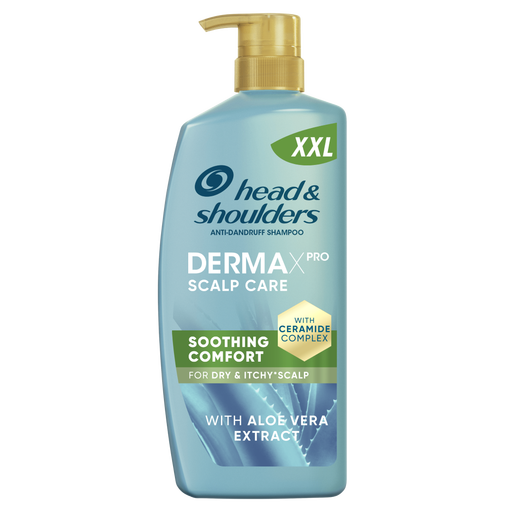
Why it suits this profile: The large bottle is practical for regular use at home. According to the product description, the formula contains piroctone olamine, aloe vera and a ceramide complex, and is intended for a dry, itchy scalp associated with dandruff.
The choice is based on verifiable product information and product size, rather than just a cooling sensation or an eye-catching claim.
800 ml bottle; piroctone olamine, aloe vera and ceramide complex according to the ingredients and product description.
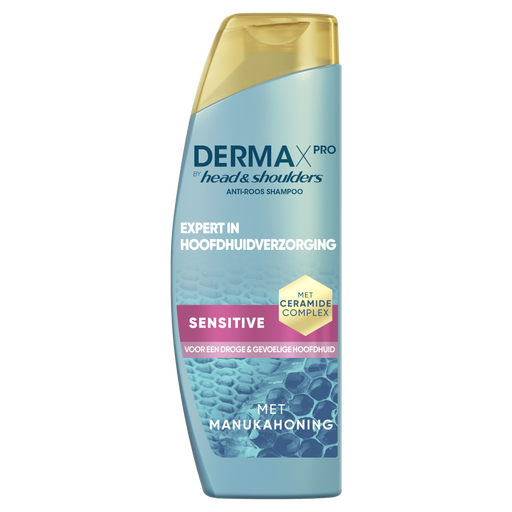
Why it suits this profile: According to the product information, this variant was developed for a dry, sensitive scalp and contains manuka honey, piroctone olamine and a ceramide complex.
The description clearly states which scalp profile the product is intended for. However, check the perfume and other ingredients if you are prone to reactions.
250 ml; piroctone olamine, ceramide complex and manuka honey according to the product information; dermatologically tested according to the listed specifications.
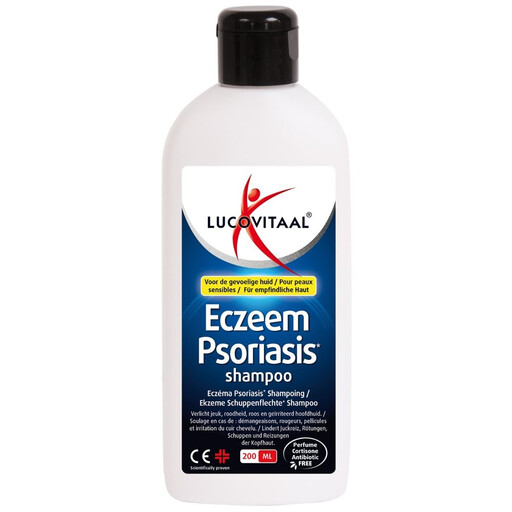
Why it suits this profile: The product information is specifically aimed at adults with eczema or psoriasis symptoms on the scalp diagnosed by a doctor. The product is intended for use two to three times a week.
The recommended frequency of use and warning to obtain a diagnosis beforehand help prevent the product from being used casually as a general shampoo.
200 ml; according to the product description, free from perfume and soap; use with a leave-on time of 3–4 minutes.
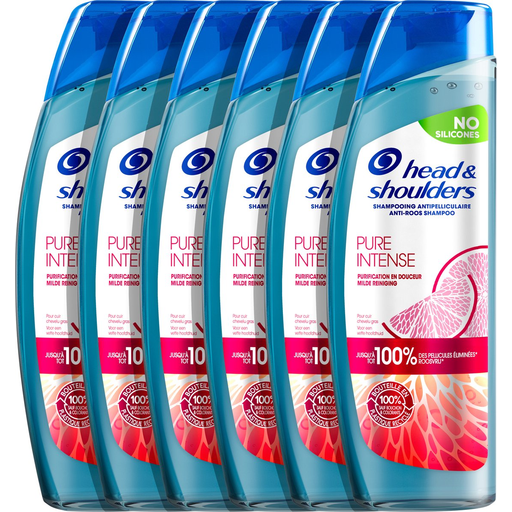
Why it suits this profile: The multipack contains six bottles, making it suitable for households where the product is used regularly. According to the product description, the formula is aimed at an oily scalp and contains no silicones.
The choice is suited to an oily scalp, rather than treating a dry scalp unnecessarily intensively.
6 x 250 ml; piroctone olamine in the ingredients list; silicone-free formula according to the product description.
We have put together a complete, up-to-date list of products that fully meet these strict selection criteria and the applicable European safety regulations.
Thoroughly wet your hair and massage the shampoo mainly into your scalp, rather than just through the lengths. Only leave the product on if the packaging instructs you to do so. Rinse thoroughly and stop if you experience a burning sensation, swelling or clear irritation. Do not switch between several active products every day; this makes it difficult to determine which formula works well for you.
A shampoo for a dry or sensitive scalp may be suitable for your daily routine, but an anti-dandruff shampoo does not always need to be used every time you wash your hair. Follow the label and pay attention to how your scalp reacts. An anti-hair-loss shampoo is also a separate product category: a product description may mention hair care or support for the scalp, but this is not a guarantee of reduced hair loss.
That depends on the product and your scalp. According to the packaging, some formulas are suitable for daily use, while products for specific scalp problems are used several times a week. Always follow the directions for use.
It can be, but first check the perfume, menthol and cleansing ingredients. A shampoo for sensitive scalps is not automatically perfume-free or hypoallergenic. If in doubt, test it carefully and stop using it if irritation occurs.
This varies from person to person and from product to product. Based on their own research, brands may state that results can be seen from the first wash or with regular use. So focus mainly on whether your symptoms lessen during the recommended period of use. If itching, redness or flaking persists, seek advice from a doctor or pharmacist.
